Tag: diet

  • What is Vegetarian, Vegan, Plant-based and Whole Food Plant Based Diet (eating)? Are These Same?

    What is Vegetarian, Vegan, Plant-based and Whole Food Plant Based Diet (eating)? Are These Same?

    Plant-based diet, vegan diet, vegetarian diet, whole food plant-based diet??? What are they all? Are these same? Are they different? Let’s find out!

    Vegetarian diet: Vegetarian diet are mainly categorized to two. Lacto ovo vegetarians and lacto vegetarians. Lacto-ovo vegetarians avoid meat and fish but include eggs and dairy in their diet whereas lactovegetarians avoid eggs. Vegetarian diet varies in terms of how much of plant foods it contains. Some people who eat dairy as major part of diet, and very little plant foods also count as vegetarians. So, it is just about what they exclude rather than what they include.

    Plant based diet: Diet that primarily comprises of foods coming from plant sources is called plant-based diet. Generally, it refers to diet containing 100% foods of plant sources; however, some people might include animal products sometimes and still call it plant based diet. This means, plant-based diet apart from whole and minimally processed food groups, also includes processed plant-based foods such as french fries and refined flours.

    Vegan diet: Vegan diet comes from the concept of veganism. Veganism, according to vegan society, is a philosophy and way of living which seeks to exclude—as far as is possible and practicable—all forms of exploitation of, and cruelty to, animals for food, clothing, or any other purpose; and by extension, promotes the development and use of animal-free alternatives for the benefit of animals, humans, and the environment. In dietary terms it denotes the practice of dispensing with all products derived wholly or partly from animals.” So, now you know what vegan diet means. In vegan diet, the motive is animal welfare. However, it is important to note that, these days, people have begun to adopt the vegan way of eating for reasons other than animal welfare (such as health and the environment), and the term “vegan diet” is now used to denote any diet that eliminates animal products, regardless of motive.

    Whole Food, plant-based diet: Whole foods are those which are mostly unprocessed and closest to its natural state. Plant based simply means the food come from plants and not animals. The food groups included are whole grains, legumes, fruits, vegetables and small quantities of nuts and seeds. WFPB is defined more by ‘what to include’ unlike vegan diet, which is defined more by what to exclude. WFPB has strong health ethos than ethical, however if you are following WFPB diets, you are already being ethical in terms of food at least. You may have seen some people who do not follow the philosophy of veganism but may eat whole food plant-based eating pattern. And yes, WFPB diets are more strict than vegan diet because processed food is kept to a minimum or avoided in WFPB. The table below might help you to find out what they are.

    PB WFPB Vegan
    Meat No No No
    Dairy No No No
    Eggs No No No
    Fish No No No
    Oils/margarines Yes No/Minimal Yes
    French fried Yes No Yes
    Deep fried plant foods Yes No Yes
    Refined flour, cakes Yes No Yes
    Other plant based processed foods Yes No Yes

    Takeaway: Vegetarian diet, vegan diet, plant-based diet and whole food plant-based diet are similar but differ in their approaches to nutrition, reasons to follow and foods to avoid.

  • Iron in Plant Based Diet
    Iron in Plant Based Diet

    Iron is an essential mineral needed for all organisms. 

    Why is iron important?

    Most of the body’s iron is found in the red blood cells of our blood called hemoglobin and in muscle cells called myoglobin. Hemoglobin is essential for transferring oxygen in our blood from the lungs to the tissues whereas myoglobin receives, stores, transports and releases oxygen. Besides, iron takes part in immunity function, brain development and energy production as iron is a part of several enzymes in our body. In short, iron is necessary for our blood, necessary for stronger immunity, necessary for good brain function. 

    Iron is stored in the body as ferritin (in the liver, spleen, muscle tissue, and bone marrow) and is delivered throughout the body by transferrin (a protein in blood that binds to iron). Iron has several important functions in our body.

    What happens if we are deficient in iron?

    Risk of iron deficiency anemia, dry and damaged skin, and hair, decreased memory, impaired learning and concentration increases. Impaired immune function, decreased aerobic sports performance, decreased work productivity, fatigue, weakness, adverse pregnancy outcomes, increased risk of low birth weight and maternal morbidity, infant motor, and mental function delay are some consequences. Severe iron deficiency might raise your chances of developing heart or lung problems, such as tachycardia (abnormally fast heartbeat) or heart failure.

    Iron requirement

    A healthy man needs 8 mg of iron per day whereas the amount is 18 mg per day for women on an average. For a vegan, requirement is higher up to 1.8 times. This is because heme iron from animal-based sources such as meat and fish are better absorbed (12-15%) than nonheme iron from plant-based foods. Below is listed daily iron need for different age groups. In case of Nepal, our traditional practices include soaking legumes, sprouting, and fermenting and combining legumes with lemon. Thus, based on our current practice, we have assumed that the bioavailability of iron is 10% and the recommended dietary allowance is provided on this basis (1).

    Age Recommended nutrient intake (mg/day)
    Children
    1-3 years 5.8
    4-6 years 6.3
    6-10 years 8.9
    Adolescents and Adults
    Male, 11-14 years 14.6
    Male, 15-17 years 18.8
    Male, 18+ years 13.7
    Female, 11-14 years 14 (before menstruation)
    Female, 15-17 years 32
    Female, 18+ years 29.4
    Post-menopausal 11.3
    Lactating 15

    Sources of iron

    There are two types of iron found in our foods. 

    1. Heme iron: Found in animal-based products 2. Non heme iron: Found in plant-based products 

    All plant-based sources of iron are non heme iron which are little bit difficult to be absorbed by the body as compared to heme iron. However, if your diet contains diverse plant based whole foods, you are unlikely to have iron deficiency. Sometimes, because of other underlying medical conditions or heavy menstrual flow, you might have low iron level irrespective of your iron intake sources.

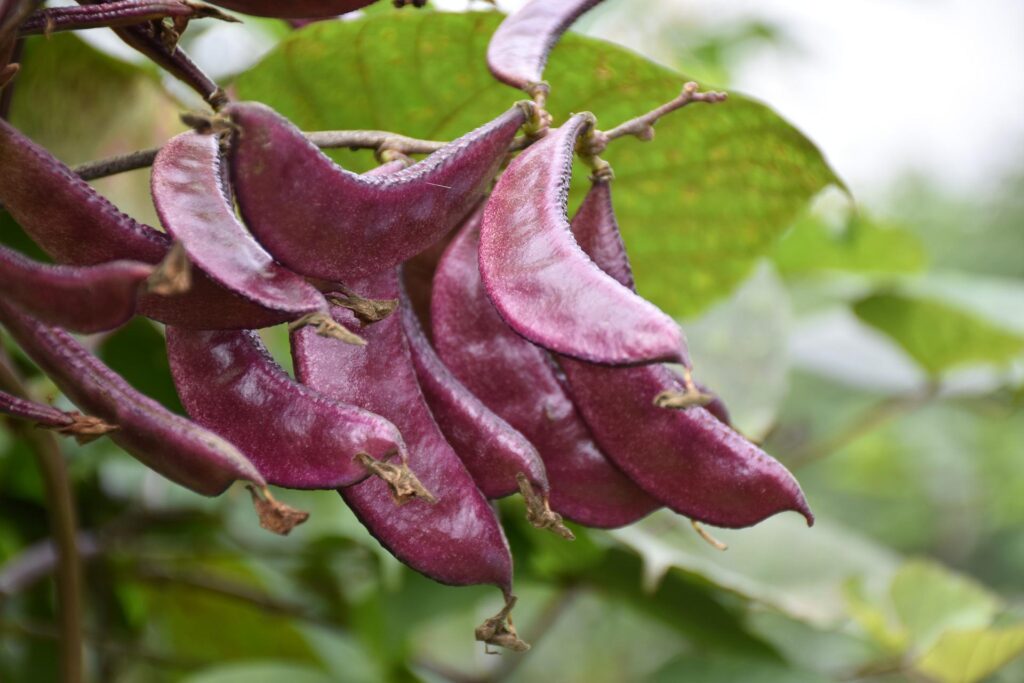
    All types of legumes like lentils, mung bean, cowpea, kidney beans, black beans etc (increased absorption if soaked for at least 4 to 6 hours and cooked), soybeans and soybean-based products like tofu, green leafy vegetables like variety of spinach broccoli, whole grains such as millet and quinoa, pumpkin seeds etc. The foods listed below have highest iron content, among others.

    Grains

    Amaranth (5.2 mg per 1 cup cooked)

    Rolled Oates (3.4 mg per 1 cup cooked)

    Quinoa (2.8 mg per 1 cup cooked)

    Legumes

    Lentils (6.6 mg per 1 cup cooked)

    White, Lima, Navy, Red Kidney Bean (4.4-6.6 mg per 1 cup cooked)

    Blacked eyed bean (4.6-5.2 mg per 1 cup cooked)

    Chickpea (4.6-5.2 mg per 1 cup cooked)

    Edamame (green soybean): (3.5 mg per 1 cup cooked)

    Tofu, Firm, Raw (3.4 mg per 0.5 cup-126g)

    Nuts and Seeds

    Sesame seeds (4.1 mg per 1 ounce-28g)

    Pumpkin seeds (2.5 mg per 1 ounce-28g)

    Ground flax seeds (1.8 mg per 30 gram)

    Veggies

    Spinach Cooked (6.4mg per 1 cup cooked)

    Mustard Greens (2.56 mg per 1 cup cooked)

    Pumpkin leaves (2.27mg per 1 cup cooked-71g)

    Brussels sprouts (1.23 mg per 1 cup raw-88g)

    Tips for better absorption

    1. Eat iron rich foods with vitamin C rich foods: Foods that contain Vitamin C increase the body’s ability to absorb iron. Examples of vitamin C-rich foods include citrus fruit such as lemons, oranges, limes, grapefruit, kiwis, strawberries, capsicums, potatoes, broccoli, and dark green leafy vegetables. 
    2. Soak legumes at least 4 to 6 hours before cooking. This helps to reduces mineral inhibitors like phytates which are common in plant-based food sources.

    Iron need in Pregnancy 

    Iron is vital for pregnant women and her fetus. On an average, a pregnant mother needs 1000 mg of additional iron than normal ones. Iron deficiency anemia in pregnancy may lead to two to three times increased risk of preterm delivery and low birth weight. Thus, usually iron supplement is prescribed to pregnant women as there is increased absorption and higher need of iron in them.

    Things to take care if you are taking iron supplements

    1. Avoid calcium rich foods such as milk at least one or two hours before or after taking the pill 
    2. Avoid caffeinated drinks like soda, tea, coffee etc while taking meals or eating pills 3. Take supplements in empty stomach or after 2 or more hours of eating meals 

    Takeaway

    It is absolutely possible to get sufficient iron form plant-based diet. Include soaked legumes in your regular diet and utilize methods to improve absorption as mentioned above.

    References 

    https://www.ncbi.nlm.nih.gov/pmc/articles/PMC3999603/

    https://econtent.hogrefe.com/doi/abs/10.1024/0300-9831.74.6.403 https://www.nal.usda.gov/sites/default/files/fnic_uploads/RDA_AI_vitamins_elements.pdf

  • Selenium in Plant Based Diet

    Selenium in Plant Based Diet

    Selenium is an essential trace mineral. It aids in the formation of beneficial antioxidants that can prevent damage to cells and tissues and plays a variety of vital roles in the immune system, thyroid function, and reproduction in the body.

    Is selenium a concern in plant-based diet?

    A plant-based diet can easily provide and fulfill requirements of selenium. Some people who have gastrointestinal issues, HIV or receiving dialysis, its absorption can be ruined. It holds true for all regardless of type of their diet (vegan or nonvegan).

    Requirement of Selenium

    The Recommended Dietary Allowance (RDA) for adults aged 19 and above is 55 micrograms per day. Pregnant and breastfeeding women require around 60 and 70 micrograms per day, respectively.

    Age group Selenium requirement (mcg/day)
    Infants (0-6 months) 15
    Children (9-13 years) 40
    Adolescent (10-18 years)
    Male 55
    Female 55
    Adult (19 and above years)
    Male 55
    Female 55
    Pregnant 60 
    Lactating 70 

    Sources of Selenium in Plant Based Diet

    The quantity of selenium in a specific type of plant-based food is determined by the amount of selenium in the soil as well as a number of other parameters such as soil pH, organic matter content, and whether the selenium is in a form that plants can absorb. 

    Grains

    Cooked long grain brown rice (1 cup): 19 mcg

    Whole wheat pasta (1 cup cooked): 42 mcg

    Whole wheat bread (1 slice): 13 mcg

    Nuts and Seeds

    Brazil nuts 1 ounce (6-8 nuts): 544 mcg

    Sunflower seed (1 ounce dry roasted): 23 mcg

    Sunflower seed butter (2 tbsp): 33 mcg

    Vegetables

    Spinach cooked (1 cup): 11 mcg

    Amaranth leaves cooked (1 cup): 1.2 mcg

    Banana (1 large ripe): 2.5 mcg

    Legumes

    Cooked Lentils (1 cup): 6 mcg

    Kidney bean (1 cup cooked): 2 mcg

    Chickpea Cooked (1 cup): 6 mcg

    Takeaway: Whole food plant-based doubt easily fulfills the selenium need. Even if you take few numbers of Brazil nuts alone weekly it is going to be enough. Our regular food such as brown rice, whole wheat etc. provide good amounts of selenium.

  • Zinc in Plant Based Diet

    Zinc in Plant Based Diet

    Zinc is a trace mineral abundantly distributed throughout all body tissues and fluids, and second only to iron among trace elements in the body. It is one of the other 16 essential micronutrients needed to perform several functions in our body.

    Why is zinc important?

    Zinc participates in all major biochemical pathways and plays multiple roles in the perpetuation of genetic material, including transcription of DNA, translation of RNA, and ultimately cellular division. More than 100 specific enzymes require zinc for their catalytic function. Other functions of zinc are protein synthesis, wound healing, growth and development, male fertility (1).

    What happens if we do not have sufficient zinc level?

    Impaired growth, loss of appetite, and poor immunological function, reduced immunity, impaired taste acuity, and poor wound healing are all symptoms of mild and marginal zinc deficiency. Hair loss, diarrhea, reduced sexual function, and skin lesions are all possible side effects in extreme deficiency cases. Too much zinc, on the other hand, can cause nausea, vomiting, abdominal cramping, headaches, and diarrhea. Poor absorption and/or increased physiological demand during infancy, childhood, pregnancy, and breastfeeding are among the causes of primary zinc insufficiency.

    Is zinc a concern in plant-based diet?

    Though meat, fish and poultry are major source of zinc in an omnivorous diet, several plant-based foods also contain good amount of zinc. However, bioavailability of zinc is comparatively low in plant-based diet especially because plants contain considerable amounts of phytic acid. Phytic acid inhibits zinc and iron absorption in our body. Also, zinc can compete with calcium, copper, iron, and magnesium for absorption especially if you take supplements. But this holds true for non-vegans too.

    Bioavailability is proportion of an ingested nutrient that is absorbed and utilized by body. But do not worry! A well-planned plant-based diet can provide adequate amounts of zinc from plant sources. Studies show vegetarians have similar serum zinc concentrations to, and no greater risk of zinc deficiency than, non-vegetarians (despite differences in zinc intake) (2). There are simple and easy ways to improve bioavailability of zinc from plant-based diet as well.

    Requirement of Zinc

    To an omnivorous, the requirement is 11mg for male and 8 mg for female. It is based on the assumption that the bioavailability of zinc is about 50%. The below listed recommendation is based on the 15% bioavailability of dietary zinc. However, the recommended amount is lower when the diet of vegan constitutes some form of fortified food and or processed in a way to improve bioavailability (refer to bottom)

    The RDI for vegan is given below (3).

    Age group Zinc requirement (mg/day)
    Infants (0-6 months)
    1. (for exclusively breastfed)

    2.8-6.6 (for partly breastfed)

    Children (7-9 years) 11.2
    Adolescent (10-18 years)
    Male 17.1
    Female 14.4
    Adult (19 and above years)
    Male 14
    Female 9.8
    Pregnant 11-20 (increased need as months pass by)
    Lactating 19-14.4 (higher need in first 3 months)

    Good Sources of Zinc in Plant-Based Diet

    Pumpkin seed (30g): 2 mg

    Hulled hemp seeds (30g): 3 mg

    Tahini (sesame seed butter- 28.3 g): 1.3 mg

    Cashew nut, raw: 1.7 mg

    Peanut, dry roasted (30g): 0.8 mg

    Brown rice, cooked (1 cup): 1.9 mg

    Buckwheat Flour (28g- usually makes 1 roti): 0.9 mg 

    Millet flour (28g- usually makes 1 roti): 0.7 mg

    Whole lentil cooked 1 cup (198g): 2.52 mg

    Sprouted lentil raw 1 cup (77g): 1.2 mg

    Calcium set firm tofu (100g raw): 1.6 mg

    Tempe cooked (100g): 1.6 mg

    Asparagus cooked (1/2 cup, 90g): 0.5 mg

    Shiitake mushroom cooked (1/2 cup sliced): 0.5 mg

    Broccoli (1/2 cup cooked): 0.3 mg

    Ways to Improve Absorption

    • Soak lentils and dry beans and decant the soaked water
    • Sprout your legumes. Include sprouted beans in your regular diet
    • Sulphur-containing amino acids (cysteine and methionine, found in a range of seeds, nuts, grains and vegetables) and hydroxy acids (citric acid found in citrus fruits, lactic acid in sour milk, malic acid in apples, tartaric acid in grapes) bind to zinc and enhance its absorption. 
    • Organic acids that are present in foods or produced during fermentation can also enhance zinc absorption. Eat such foods together to improve zinc absorption (2). 

    Quick facts

    Despite a higher phytate content, absorption of zinc from lupin and white beans are similar to those of meat, so you may want to have it weekly (3).

    Our body is smart. There is normally a compensatory improved efficiency of absorption and excretion of zinc if our zinc intake is low. So, you do not need to worry, if you regularly consume foods listed above and use methods to improve absorption.

    Take Away

    Zinc can be obtained in sufficient amounts with a well-planned plant-based diet. Supplements are not necessary unless you have some conditions that is creating issue with absorption or excretion. Soak, sprout, and ferment legumes as possible. Eat diverse groups of plant-based food.

    1. Foster M, Samman S. Implications of a Plant-Based Diet on Zinc Requirements and Nutritional Status. In: Vegetarian and Plant-Based Diets in Health and Disease Prevention. Elsevier Inc.; 2017. p. 683–713. 
    2. Baines SK. Zinc and vegetarian diets. The Medical journal of Australia [Internet]. 2013 Aug 19 [cited 2021 Jun 22];199(4):S17–21. Available from: www.mja.com.au
    3. FAO, World Health Organization. Vitamin and mineral requirements in human nutrition Second edition. World Health Organization [Internet]. 2004;1–20. Available from: www.who.org
  • WFPB: Whole Food Plant Based Diet

    WFPB: Whole Food Plant Based Diet

    What is the best diet in the world? What is WFPB?

    Let’s divide WFPB to two parts. Whole foods, that means foods that are nearest to their natural state or that are minimally processed. Plant based means the foods primarily come from plants and not from animals. So now you know what whole food plant-based diet refers to.

    WFPB is an eating pattern similar to a vegan diet that emphasizes plant-based foods while avoiding or strictly limiting animal items such as meat, fish, eggs, and dairy. 

    WFPB diets are more strict than vegan or vegetarian diets. It mainly comprises of whole, unprocessed, or minimally processed carbohydrates for the majority of their calories. This diet pattern usually consists of 7–15 percent fat, 75–80 percent CHO, and 10–15 percent protein, however the macronutrient composition might vary.

    Following a whole food plant-based diet means you will definitely experience its benefits in numerous ways. It is not difficult to follow either if you are determined towards your health and the health of your surroundings. So, what benefits you will get by following a whole food plant-based diet? Oh! Its countless baby 😉

    -Improved mood

    -Improved body composition

    -Improved sports performance

    -Improved gut health

    -Improved immunity

    -Improved reproductive health

    -Obesity control

    -Better sleep

    -Reduced risk of heart diseases, diabetes, hypertension, cancer, kidney diseases and many more

    -Better skin and resolution of acne

    And MANY MORE…………….

    Modern diseases such as diabetes, heart disease, and cancer are linked to diets that include a lot of processed foods and animal products. You won’t believe, but WFPB is capable of reversible most of these chronic diseases without using/using nominal allopathic medications.

    The Adventist Health Study 2 found that each step along the dietary range, from omnivore to vegan, reduced the risk of chronic illness. And participants’ diet was not just vegan but whole food plant based! Not just this, growing body of researches show that whole food plant-based diet exerts tremendous health benefits, prevention and even reversal from chronic diseases.

    Why is whole food plant-based diet so healthy?

    Phytonutrients!! Synergy of diverse Phytonutrients!!! Whole and together, not separately.

    SO, what are phytonutrients? They are all the disease fighting and health promoting biologically active plant compounds which come only from plants and not animals!! Do you know why these phytonutrients are there in plants? To protect them from diseases and harsh environmental conditions. And what do they do for us? Similar function! To protect us!

    Phytonutrients enhance health by reducing inflammation, oxidative damage, cholesterol etc. They help creating healthy gut microbiota, improve circulation, enhance immune system, and regulate gene expressions.

    What are the dos and don’t of WFPB diets then?

    Dos

    Eat whole grains eg. Brown rice, quinoa, millets, buckwheat, barley, whole wheat products such as unrefined whole wheat flours etc.

    Eat Legumes such as edamame (young soybeans), tofu, tempeh, lentils, black gram, chickpeas, pea, black bean, cow pea, green beans, faba beans etc. Sprout dried legumes

    Eat plenty of seasonal and local green leafy vegetables such as mustard greens, spinach etc.

    Eat plenty of cruciferous vegetables such as broccoli, cauliflower, turnip greens, turnip, cabbage etc.

    Eat plenty of sprouted vegetables such as broccoli sprouts, fenugreek sprouts, sunflower sprouts, onion sprouts etc.

    Eat seasonal and water rich fruits everyday such as guava, oranges, apple, pineapples, mango, grapes etc.

    Eat omega 3 rich foods such as flax seeds, hemp seeds, walnuts etc.

    Eat nuts and seeds in small quantity every day

    Don’ts

    Avoid refined flours and their products (e.g., Instant noodles, biscuits, sewai), processed sugar, sugar sweetened beverages (e. g. coke, fanta, redbull, sugary juices, flavored juices etc.), sugary jams, white breads, white pasta, fruit juices etc.

    Avoid animal-based foods such as meat, fish, dairy (ghee, butter, milk, curd, paneer, cheese), and egg

    Avoid oils and margarines. Oils are not whole foods. They contain highest caloric content among all the foods and contain no other nutrients. We know it’s a big adjustment in case of oil. Adding very little oil can still be okay if other eating pattern is well.

    Also, protein supplements are not whole and unnecessary in whole food plant-based diet. 

    Summary: Whole food plant based diet is more of a lifestyle that involves eating plant based foods nearest to their natural state. Accumulated research shows that whole food plant based diet has plethora of health benefits.

    What if you see whole food plant-based diet too far but still want to improve your diet? Click here.

    Resources

    Adair, K. E., & Bowden, R. G. (2020). Ameliorating Chronic Kidney Disease Using a Whole Food Plant-Based Diet. Nutrients, 12(4), 1007. https://doi.org/10.3390/nu12041007

    https://adventisthealthstudy.org/researchers/scientific-publications/adventist-health-study-2-publication-database

    Turner-McGrievy, G. M., Davidson, C. R., Wingard, E. E., Wilcox, S., & Frongillo, E. A. (2015). Comparative effectiveness of plant-based diets for weight loss: a randomized controlled trial of five different diets. Nutrition31(2), 350-358.

    Wright, N., Wilson, L., Smith, M., Duncan, B., & McHugh, P. (2017). The BROAD study: A randomised controlled trial using a whole food plant-based diet in the community for obesity, ischaemic heart disease or diabetes. Nutrition & diabetes7(3), e256-e256.

    Massera, D., Graf, L., Barba, S., & Ostfeld, R. (2016). Angina rapidly improved with a plant-based diet and returned after resuming a Western diet. Journal of geriatric cardiology: JGC13(4), 364.