Author: Sandhya Subedi

  • Do you Need Meat, Dairy and Eggs to Build Muscle?

    Do you Need Meat, Dairy and Eggs to Build Muscle?

    Many people believe that one must eat meat, dairy or eggs in order to build muscles. In this article, we will discuss what current scientific evidence says about this idea. To make it simple and straightforward, I will present to you a summary of high quality and mostly cited research articles.

    Ok, straight to the evidence!


    In a 12-week study, researchers examined the effects of supervised resistance training on young men, comparing habitual vegans and omnivores. Both groups underwent the same training program twice weekly. To standardize protein intake, participants adjusted their diets to include 1.6 grams of protein per kilogram of body weight per day, either supplemented through soy protein for vegans or whey protein for omnivores. Throughout the intervention, dietary intake was closely monitored. Results showed significant increases in various measures of muscle development for both groups, including leg lean mass and leg-press strength. The research concluded that individuals adhering to a vegan diet can achieve similar muscle-building benefits as their omnivorous counterparts as long as protein intake is adequate.


    (Read here: High-Protein Plant-Based Diet Versus a Protein-Matched Omnivorous Diet to Support Resistance Training Adaptations: A Comparison Between Habitual Vegans and Omnivores, J of Sports Medicine, 2021)
     

    Another study aimed to compare the impact of soy and whey protein supplements, both containing equal amounts of leucine, on muscle growth and strength gains following 12 weeks of resistance training. Sixty-one untrained young adults, including 19 men and 42 women aged 18 to 35, enrolled in the study, with 48 completing it (17 men and 31 women). Participants engaged in supervised resistance training sessions three times a week and consumed either 19 grams of whey protein isolate or 26 grams of soy protein isolate daily, with both supplements containing 2 grams of leucine. The results showed that both groups experienced similar increases in total body mass, lean body mass, and leg strength. Vastus lateralis muscle thickness tended to increase in both groups, although this difference did not reach statistical significance. Importantly, there were no significant differences observed between the two groups, indicating that soy and whey proteins matched for leucine supported comparable muscle growth and strength gains during resistance training in untrained individuals.


    (Read here: No Significant Differences in Muscle Growth and Strength Development When Consuming Soy and Whey Protein Supplements Matched for Leucine Following a 12 Week Resistance Training Program in Men and Women: A Randomized Trial, Int. J. Environ. Res. Public Health 2020)
     

    Another cross sectional study looked at dietary differences among competitive bodybuilders during two phases of their competition preparation: the muscle-gaining phase (bulking) and the contest preparation phase (cutting) and whether the vegan diet needs the nutritional requirement of bodybuilders. They asked 18 bodybuilders about their height, weight, training routine, and if they’re vegan or not. Participants completed an initial online questionnaire covering anthropometric measurements, training history, and diet type (vegan or omnivorous). They then logged their food intake over 5 days during the bulking and cutting phases, with a two-month gap between phases. The result showed that during bulking, omnivore bodybuilders consumed 2.2–2.7 g/kg/day, while vegans consumed 1.9–2.5 g/kg/day, meeting or exceeding the recommended range of 1.6–2.2 g/kg/day for both groups. In the cutting phase, vegans (1.6–2.2 g/kg/day) fell short of the recommended 2.3–3.1 g/kg/day, while omnivores (2.2–2.7 g/kg/day) stayed within range. They concluded that vegan bodybuilders may struggle to meet protein needs during caloric deficits. However, with proper nutrition planning and supplementation, a vegan diet can still be suitable for bodybuilders, highlighting the importance of professional guidance in achieving optimal nutrition for muscle maintenance. 


    (Read here: Going Vegan for the Gain: A Cross-Sectional Study of Vegan Diets in Bodybuilders during Different Preparation Phases, Int. J. Environ. Res. Public Health 2023)
     

    A recent systematic review and meta-analysis analyzing 18 and 16 studies respectively has reported that both animal and plant protein sources led to an increase in median lean mass and strength outcomes. Animal protein seemed to be a bit more effective at increasing muscle size, especially in younger people <50 years. However, when it came to strength, there wasn’t a significant difference between animal and plant protein with or without resistance exercise training.


    (Read here: Animal Protein versus Plant Protein in Supporting Lean Mass and Muscle Strength: A Systematic Review and Meta-Analysis of Randomized Controlled Trials, Nutrients, 2021)
     

    A recent review study has concluded that plant proteins can serve as a nutritionally adequate substitute for animal proteins in stimulating muscle protein synthesis (MPS) and supporting muscle mass. Though plant protein generally have lower essential amino acid (EAA) and leucine content, slightly lower protein bioavailability, and lower protein density per serving, these drawbacks can be addressed by diversifying food groups throughout the day to ensure sufficient intake of all EAAs and leucine, employing cooking techniques (eg. sprouting) to enhance protein bioavailability, and increasing serving sizes of plant-based foods (eg. legumes) or isolated plant proteins (eg. protein powder). The review concluded that plant protein supplements like soy, beans, peas, rice, and potato can be just as effective as animal protein supplements (eg. whey protein powder) in muscle and strength gain. They also mention that ‘more studies are needed to support the guidelines regarding the use of plant protein sources to adequately, sufficiently, and safely meet the protein needs of individuals and evaluate the efficacy of muscle protein synthesis in humans compared to animal protein sources.’

    (Read here: Plant-based food patterns to stimulate muscle protein synthesis and support muscle mass in humans: a narrative review, Appl Physiol Nutr Metab, 2022)
     

    Takeaway


    Until now, I have read dozens of studies on different kinds of proteins, their amino acid contents, digestibility, usage and efficacy. The more research I do, it becomes more clear that muscle growth and strength can be achieved without consuming meat, dairy, or eggs, as plant proteins are equally effective.

    There is no denying the fact that animal based proteins such as meat, dairy and eggs offer balanced proportions of essential amino acids in higher amounts than most plant based foods such as legumes, nuts and grains. However, it is critical to remember that our diets aren’t restricted to a single food but rather consist of a variety of foods. In practice, a variety of legumes, grains, nuts, fruits and vegetables can work together to offer the whole spectrum of amino acids required for muscle building and overall health. 

    In practical life, we value convenience and time. Just as omnivores who are focused on building muscle often use whey protein powder, individuals following plant-based diets can also find value in using plant protein powders, like soy, blends of pea and rice, for convenience and effectiveness. However, it’s important to recognize that protein powders are not ALWAYS necessary for either omnivores or vegans.

  • Is Soy Feminizing to Men? Science of Soy

    Is Soy Feminizing to Men? Science of Soy

    When I made a video on TikTok highlighting the benefits of soy chunks (also called textured vegetable protein, soybean maseura), a number of people, primarily men, commented that soy is feminizing, it is not good for men, it lowers the sperm count and so on. While I was aware that there is a big misconception among western communities, it surprised me to discover that these kinds of presumptions exist among a significant number of Nepalese youths as well.

    The alleged effects of soy is attributed to isoflavone. Soy is uniquely high in isoflavone which  is a form of plant estrogen (phytoestrogen) that functions similarly to human estrogen but exerts a much weaker effect. The amount of isoflavones in soy can vary depending on numerous factors, including the soybean cultivar, growth condition, and the post-harvest processing. Also, not all soy products (eg. edamame, soymilk, tofu, soy protein, natto etc.) have the same amount of isoflavone (1, 2).

    Let us delve into the origins of this myth and what the scientific evidence has to say on this matter.


    When and How did it Start?

    To put it into perspective, imagine drinking almost 3 liters of cow milk every day, or having 3 kilograms of meat everyday or having 3 kilograms of rice everyday. Such excessive consumption, whether of soy or other foods increase the likelihood of diseases such as high cholesterol, heart diseases and kidney disease among many. Even substances as essential as water can lead to health problems when ingested in excessively high amounts.

    Thus, drawing conclusions based on the unhealthy eating habits of two individuals, who consumed an exceptionally high amount of soy should not be generalized. However, case reports should not be neglected and such cases warrant more thorough studies. That is precisely what happened. In the last two-three decades, there has been a plethora of research done on soy, exploring its benefits and potential harmful effects. 


    History of Soy Intake

    Soybean is consumed for centuries in many Asian countries such as in Japan, Korea and China. Even though Nepalese historically might not have not have consumed other soybean products such as tofu and soymilk, roasted soybean seeds were a staple snack consumed regularly if not daily.

    Nowadays, the popularity of soy is increasing as it is a good source of quality protein with less saturated fat, and it is a more efficient choice compared to animal-based protein.


    What does Research say?

    Lets start with this one. A prospective cohort study analyzed the intake of soy products in 184 men from couples undergoing infertility treatment with in vitro fertilization. The result showed that the consumption of soy foods or isoflavones by male partners had no connection to fertilization rates or various other measures of fertility.

    A review study published in 2009 notes that: ‘It is likely that a relatively small (≤10%) proportion of the population in Asia consumes daily as much as 25 g of soy protein or 100 mg of isoflavones. Thus, if historical precedent can be used as one measure of safety, then a reasonable upper limit for isoflavone intake from traditional soy foods is approximately 100 mg/day.’

    Research is ever growing. Let us see what the newer studies have to say on this matter. A meta-analysis of 38 controlled clinical studies published in Journal of Reproductive Toxicity in 2021 investigated the effect of soy/isoflavones on hormone levels. The study concluded that, regardless of the dosage or duration of the study, soy protein and isoflavone exposure have no effect on total testosterone (TT), free testosterone (FT), estradiol (E2), estrone (E1), and sex hormone binding globulin levels in men. Another review study published in the journal of molecular and cellular endocrinology in 2012 also noted that 2-3 servings of soy per day has no discernible effect on hormone levels. This equates to about 15-20 grams of soy protein and 50–75 mg of isoflavones on average. To put it into perspective, 3 servings of soy food might look like 250 ml of soymilk and 80-100 grams of tofu. 

    Other past research and systematic reviews, in addition to this meta-analysis, show that soy has no apparent effect on estrogen levels in men or other feminization endpoints (6,7) .

    Despite of evidence, there has been huge fear mongering regarding soy. It is sad to note that even some health professionals perpetuate these myths. Some may not thoroughly investigate the current scientific evidence, while others might remain uncertain about the subject because of the confirmation bias. This highlights the necessity of continuing education and awareness campaigns to ensure that correct information is shared, particularly when it comes to issues pertaining to health and nutrition.


    Summary

    In this article, we have not discussed the array of benefits soy provides though soy is consistently shown to reduce risk of certain types of cancers and other chronic diseases. There are countless benefits of consuming soy which will be covered next time. Just like any other food such as cow milk, rice, meat or fruits, soy should also be consumed in moderation (which is up to 3 servings per day). Eating soy solely may result in a diet that isn’t very diverse since the consumer may be ignoring other beneficial legumes or sources of protein and losing out on the advantages that come with them. Diversity in diet—including a variety of foods instead of mainly depending on one or two is always healthy and preferred. In a nutshell, soy is absolutely safe to consume by both men and women as a part of a healthy diet and it definitely does not cause feminization in men. Next time, if someone comes to you and says ‘men should not consume soy’, just understand that they have been influenced by the big media headlines, influencers and have not done any research to find out the actual fact. If you are worried, you may avoid soy or isoflavone supplements, however, avoiding soy altogether is not a wise decision unless you have soy allergy.

  • Saffron (Kesar) May Reduce Period Pain

    Saffron (Kesar) May Reduce Period Pain

    Most of the women (including some transmen) feel period pain ranging from mild to intense. Some take the help of pain relieving medicines while some use home based solutions such as using heat pads, doing specific kinds of yoga etc.

    In this article, we will discuss saffron and its benefits in menstruation pain. 

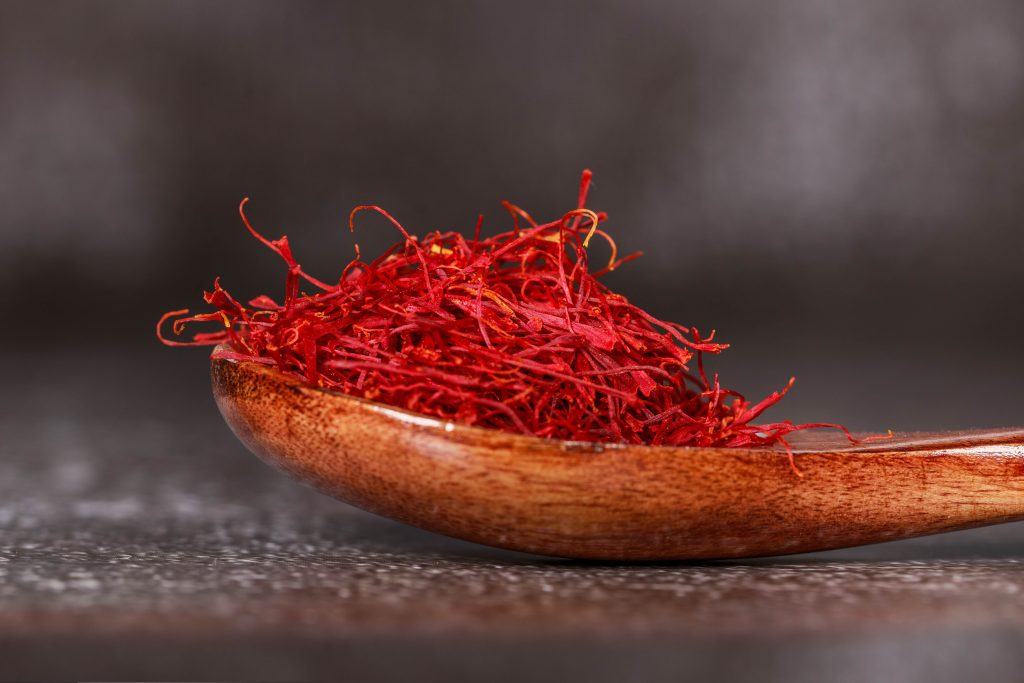
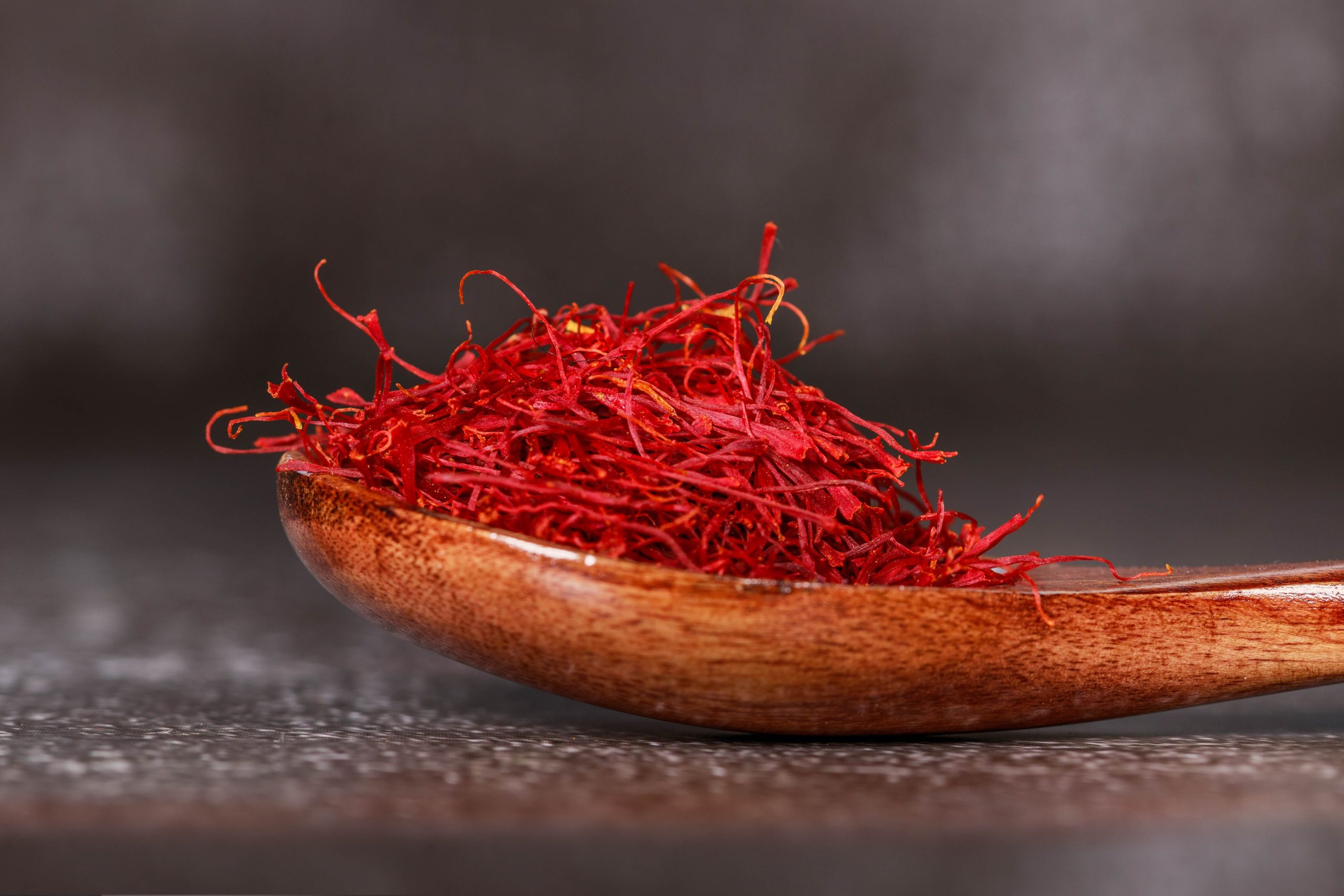
    Picture: Saffron Threads (taken from pixel photo)

    Crocus sativus L. is a flowering plant commonly known as saffron, is widely used as a spice and as a coloring and flavoring agent in the preparation of foods and cosmetics. If you are Nepalese or Indian, you might have eaten rice pudding or Kheer with ‘Keshar’. It has a subtle taste and aroma, which gives foods a deeper and richer flavor. Saffron is either purchased in powder or thread form, the latter is less likely to be adulterated and is recommended. Though it is very expensive, it’s not required in high quantities to produce a good flavor or even a health impact. Even a small amount goes a long way.

    Ok. Enough of introduction! Let’s find out whether saffron is beneficial during period pain and if so, the science behind it. 

    Saffron is reported to have several beneficial compounds such as crocin, safranal, flavonoids, and carotenoids. These compounds are reported to have pain relieving, antispasmodic and muscle relaxant properties. Benefits of saffron in many reproductive problems have also been mentioned in traditional medicine.

    There have been few pharmacological and medical studies of saffron, which demonstrate that saffron could be an easy and safe home based solution to tackle period pain.

    In a randomized control trial conducted in 2015, 88 female students were given either placebo or a capsule containing 30 mg of saffron. The findings of the research demonstrated that the consumption of saffron reduced the severity of PMS symptoms like anxiety and lowered the level of stress hormone cortisol in students suffering from the syndrome. 

    There has been another interesting study. Fukui et al. (2011) showed in a study of 35 women that smelling saffron for 20 minutes could change some hormone levels. This effect may be useful for the treatment of premenstrual syndrome, dysmenorrhea (menstrual pain) and irregular menstruation.

    How to Consume Saffron to Reduce Period Pain

    Soak 2-3 strands of saffron in water for 8 hours and drink that in an empty stomach for a month. It is very likely that your period pain is diminished. Not just that, you will probably feel lighter and happy as well.

    Caution

    Pregnant women should avoid high doses of saffron as it may induce miscarriage. Occasional consumption of kheer having few saffron strands should be okay.

    Takeaway

    Takeaway: Saffron is effective in relieving symptoms of PMS including period pain. 

  • How to be A Dietician and/or Nutritionist in Nepal 

    How to be A Dietician and/or Nutritionist in Nepal 

    When we were children, so many grown-ups including our parents, neighbors, and guests coming to our home used to ask us that timeless question: What do you want to be when you grow up? Being a 90’s kid, I believe most of us said ‘I want to be a doctor.  Medicine is one of the many subjects studied in the health care sector.  Now, the scenario has changed. Maybe not in their childhood, but during their teenage, most of the youngsters in our opinion are wanting to enter into the sector of nutrition.

    Research shows that the nutrition sector is growing so fast these years. Increased interest in the field of nutrition and dietetics is fueled by an increasing focus on preventive care services all around the globe. Well, there are few differences and also similarities between a nutritionist and a dietician, this post will discuss the processes and steps to be a dietician in Nepal. If you want to know what exactly dietician and nutritionist mean, click here. Okay! Enough of background! Let us go to the point!

    To become a dietician in Nepal, one must complete a ‘Bachelors’ of science in Nutrition and Dietetics. There is only one entity teaching BSc. nutrition and dietetics in Nepal as of April 2022 (Baisakh 2079): Tribhuvan University (TU) via Central Campus of Technology, Dharan. The B.Sc.ND program consists of eight semesters (four academic years) and 127 credit hours. In the final year of the bachelors, students have to do internships in hospital or medical settings.

    Prerequisite (1)

    • Degree certificate of +2 Science or I. Tech. in Food/Lab Technology, or equivalent with at least grade ‘C’.
    • Students having a 10+2 or equivalent from a foreign board must have studied science and received at least a C in the key subjects English, Mathematics, Physics, and Chemistry.
    • A level students must have received at least a D in Mathematics, Physics, and Chemistry to be eligible.
    • Pass the entrance examination conducted at Central Campus of Technology, Institute of Science and Technology (IOST), TU.

    So, that was for your bachelor’s degree. With this degree, you are qualified as a dietician in Nepal. If you want to go further and obtain a higher degree, there are two different options to this date.

    Post Graduate Degree in Nutrition and Dietetics

    There are two institutions offering masters degrees in nutrition: College of Applied Food and Dairy Technology (CAFODAT), Purbanchal University and Padmakanya Campus, Tribhuvan University. However, the degree names are different. 

    CAFODAT offers a 4-semester (2 years) MSc. in Nutrition and Dietetics. The campus is located in Patan. It is a 61- credit degree. 

    Padmakanya campus offers MA in Home Science, which is also a two year course. They mention that, though a Master of Arts in a science discipline may seem strange, Home Science is both a science and an art form since it takes and synthesizes concepts and theories from the arts and humanities. Many students with their bachelors degree in public health, bachelor’s in science, bachelor’s in dietetics etc. pursue this degree. Usually, if a student does not have a bachelor’s degree in nutrition and dietetics but pursues this master’s degree, they usually call themselves nutritionist but not dietician. The campus is located in Baghbazar, Kathmandu.

    Licensing after Degree

    In most of the countries, licensing is required for dieticians just like for other health professionals such as medical doctors, nurses, public health practitioners etc. However, in Nepal, there is no licensing system yet.  There are few bodies that work in related areas such as Nepal Dietician Association and Nutritionist & Dietitian association of Nepal and they promote nutrition education and conduct training, presentations and related works in the area of nutrition and dietetics. We wish we could provide more details about them but unfortunately they do not have their own websites and their facebook pages do not have much information about the scope of this article.

    So, that is all, that is how you can become a dietician in Nepal.

    Summary

    We are sorry. For this one, you have to read the whole article. 🙂

  • Wheatgrass? Is it worth it?

    Wheatgrass? Is it worth it?

    What is wheatgrass?

    Wheatgrass is the young grass or shoots of common wheat plant (Triticum aestivum). It is harvested before it reaches full size, during an early stage in its development. It normally takes 7–10 days after sprouting for this to happen. It is typically consumed as a fresh juice, but it is also available as a powder. Wheatgrass juice is a living food that is consumed fresh.

    Why is it called green blood?

    Because of its high chlorophyll content, which accounts for 70% of its chemical composition, it is also known as “green blood.” It also has a structural similarity to haemoglobin, resulting in a high oxygen supply to all tissues. It also contains antioxidant enzymes like as superoxide dismutase and cytochrome oxidase, which can convert reactive oxygen species to hydrogen peroxide and oxygen molecules. It can also protect DNA from oxidative damage (1). Chlorophyl, the green pigment has wound healing and strong anti-inflammatory properties as well.

    Nutritional value

    About a tablespoon (10g) of shade dried wheatgrass powder contains following nutrients (2)

    Protein: 3.1g

    Fat: <0.1g

    Dietary Fiber: 2.6g

    Vitamin C: 0.2 mg

    Beta carotene (pro vitamin A): 19.4 mg

    Calcium: 7.2mg

    Iron: 2.9mg

    Copper: 0.15mg

    Zinc: 0.74 mg

    Selenium: 4.5 mcg

    You can see that just a 10g of wheatgrass powder is rich source of micronutrients such as vitamin A, the iron and copper. It is also reported in other literatures to be rich in vitamin E and C.

    Wheatgrass in Disease Treatment

    Ulcerative Colitis

    Wheatgrass juice was linked to a decrease in overall disease activity and the degree of rectal bleeding in patients with ulcerative colitis. In a randomized double-blind placebo-controlled trial, ninety percent of the patients who were given wheatgrass improved, with none deteriorating. Though exact mechanism is not known, wheatgrass juice appears to be efficacious and safe as a single or combined treatment for active distal ulcerative colitis (3)

    Colon Cancer

    In a study, 100 colon cancer patients were given either wheatgrass juice and standard colon cancer chemotherapy or only standard colon cancer chemotherapy. Wheatgrass was shown to have ability to reduce a variety of chemotherapy-related side effects. As a preliminary evidence, wheatgrass also shown no side effects as compared to those of pharmaceutical medications and the carries the potential to be utilized as a low-cost, non-toxic supplement to standard chemotherapy (4)

    Moreover, proteins found in wheatgrass are known to be involved in preventing many diseases, oxidative stress, primary metabolism, storage, and energy-related mechanisms. Wheatgrass contains several trace minerals, phytochemicals, active enzymes, and vitamins that can be easily absorbed (5)

    Besides these, wheat grass is linked to help with type 2 diabetes, alcohol induced damage in kidneys in human and animal studies (6) (7). Several in vitro, animal studies and small clinical studies have shown wheatgrass’s positive role in cancer treatment, obesity, and rheumatoid arthritis as well. In this regard, more research in human subjects with better methodology is needed before giving clinical recommendations to public (8)

    Freshly squeezed wheat grass juice is also gluten free and can be consumed by people with gluten sensitivity (9)

    Takeaway: Wheat grass is a rich source of chlorophyll, beneficial enzymes, and micronutrients. It also contains strong antioxidant activity and is proven to treat ulcerative colitis. Its beneficial nutraceutical effects are observed in other diseases as well, yet we need more research to confirm. Regular consumption of little to moderate amount of wheatgrass especially the fresh wheatgrass juice is beneficial to nourish your health and probably prevent diseases. However, it might not be as beneficial as it is marketed. Just take caution and do not consume excess.