Tag: how to

  • Best Way to Eat Nuts to Get the Maximum Benefits

    Best Way to Eat Nuts to Get the Maximum Benefits

    Almonds, cashew, pecan, walnut, peanut, pine nut, brazil nut etc. all are examples of nuts. They are rich in multiple essential vitamins, minerals including heart healthy fats. But, what is the best way to eat a nut? Roasting, soaking or eating raw? In this article, let’s explore what science recommends for getting the most out of your nuts.

    Eating nuts matters more than how you eat it! Yup, it is that simple!

    Whether you roast a nut, soak or eat raw, you will get benefits of eating them in one way or the other. No one method is the best method, each method is uniquely beneficial in their own ways. 

    Soaking

    Many people soak nuts in order to ‘activate’ them. Activating generally means soaking which reduces the amounts of mineral inhibitors such as phytic acid and tannins and thus may improve mineral absorption in our body. This study evaluated how various soaking methods impact the levels of phytates and minerals in whole and chopped almonds, hazelnuts, peanuts, and walnuts and found that soaking does not seem to increase mineral bioavailability. Even though it reduces phytate content, it also resulted in mineral loss in soaking water via leaching.

    Soaking may lower the bitterness of some nuts such as almonds and walnuts by reducing the amount of tannins. If you do not like nuts because they taste bitter and bland, soaking might be a great idea for you.

    Roasting

    Some people roast dry while some like adding oil and salt during roasting. Roasting enhances crunchiness by reducing the moisture content and provides unique flavor and taste. Generally, dry roasting is better than oil/salt roasting from a calorie and sodium intake perspective.

    Roasting at a low to medium temperature is key. If a nut is roasted at high temperature and/or for longer, healthy fats present in nuts are more likely to deteriorate. Nuts are rich in polyunsaturated and monounsaturated fats which tend to oxidize if heated in high temperature for longer. This also holds true for some vitamins such as vitamin E, thiamine and some antioxidants. However, the effect varies among nut types (1, 2, 3).

    If you roast nuts at high temperature, harmful substances such as acrylamide formation increases. This study evaluated the effect composition and roasting conditions on acrylamide formation in almonds and hazelnuts and found that lighty roasting almonds at 145 °C produces low to moderate levels of acrylamide, while dark roasting at 165 °C leads to higher acrylamide formation. Production of acrylamide in hazelnut was found to be low when followed the same roasting regimen as almond. Effect of chemical composition of nuts is not discussed in this article as we cannot intervene or change it as much as we can control the roasting conditions (4).

    The almond board of America says “Roasting at a temperature below 265°F (130°C) will minimize acrylamide formation in roasted almonds.”

    Other than roasting time and temperature, storage conditions also matter. We should aim to store nuts no matter roasted or raw in an airtight container in cool and dark places. You might have noticed that nuts stored in-shell (eg. pistachio, walnuts) generally have a longer shelf life than kernels. Nuts can also be stored in the refrigerator to extend shelf life. Always follow the shelf life guideline given in a product package. Generally, nuts are good for up to 6 to 12 months. 

    Besides, soaked and roasted nuts, some people prefer raw. Sometimes, raw nuts might be contaminated with harmful bacteria such as salmonella. Roasting helps to lower such bacteria, however roasting may not always do it efficiently. Aflatoxin contamination is also common in nuts. Aflatoxins are toxic substances produced by specific fungi that grow on agricultural crops like maize (corn), peanuts, cottonseed, and tree nuts. An old study of Nepal showed that aflatoxin contamination was common in peanut butter even though the level of the aflatoxin was low. A recent 2020 study also reports that maize and peanuts are of high risk of aflatoxin contamination in Nepal (5, 6).

    Summary

    Overall, there isn’t one perfect way to eat nuts. The best approach is to regularly include a variety of nuts in your diet. Eating a small handful of nuts daily is generally recommended for most people. Regularly consuming a diverse range of nuts has been linked to lower all cause mortality rates and have benefit for cardiovascular health, cancer prevention, and various chronic diseases (7, 8).

    Nepalese, primarily Hindu Nepalese, mostly eat nuts during ‘Bhaitika’ as our ‘Bhaikhaja’ must have a variety of nuts such as walnuts, almonds and cashews. This tradition not only adds to the festive spirit but also shows the nutritional wisdom passed down through generations. However, eating nuts during ‘Bhaitika’ is not enough, we should eat them more regularly. And, please eat nuts the way you like it, I prefer roasted nuts!

  • Salty Method of Reducing Salt in Your Diet

    Salty Method of Reducing Salt in Your Diet

    We may have heard several times from about the importance of reducing salt intake from our food. Salt is made up of sodium and chloride (Nacl). Chloride in salt in not of concern, however sodium is a big concern in our diet today. Thus, reducing salt intake essentially means reducing sodium.

    Why Should We Reduce Our Sodium Intake?

    Excess intake of sodium can lead to high blood pressure, a leading cause of heart disease and stroke. Too much sodium also causes fluid to accumulate in the lower legs or abdomen, which is fatal for people with chronic kidney disease and heart diseases.

    How Much Sodium is Recommended?

    Sodium is an essential nutrient required for our body. However, it’s not needed much. According to World Health Organization, adults should consume less than 5 g (just under a teaspoon) of salt per day. Since salt is 40% sodium and 60% chloride, our daily sodium consumption should be below 2000 mg.

    How Much Sodium Do We Consume?

    According to World Health Organization, most people around the globe consume double the amount of sodium that the recommended. In the case of Nepal, the dietary salt intake is 9.1g per day which is about double the amount world health organization recommends (Step Survey 2019). No wonder, about 24.5% of adults (15-69 years) are hypertensive as per Step Survey 2019. Since 2013, hypertension has been reported to have increased by 4.5% (5). According to a meta-analysis 2019, prehypertension is also very high in Nepal (35.4%) (6).

    What are the Sources of Sodium?

    Sodium is naturally found in many foods in small amounts. However, they are not something to be worried about. Added sodium should be used with caution. Other than salt, sodium is also high in fish sauce, soy sauce, teriyaki sauce, ketch up, picked achar etc. Thus, be extra cautious.

    SALTY Method in Reducing Salt/Sodium

    Say No to Ultra Processed Foods

    A big source of salt in our diet is highly processed foods. Instant noodles, biscuits, chips, crackers, etc. are high in sodium. Even eating too much chatpatey, panipuri, daalmot can increase your amount of sodium intake. Thus, always opt for less processed whole foods. Try to reduce the overall intake of highly processed foods.

    Add Natural Seasoning Such as Herbs for Better Flavor and Taste

    We love salty foods because it tastes good. However, you can still enjoy less salty (less sodium) but delicious meals using lovely favors from several herbs and spices. Herbs and spices such as coriander, parsley, oregano, black pepper, nutmeg, cardamom, cumin, ginger, lemongrass tec. Adding lemon or lime juice, or lime zest makes foods even better. Herbs and spices not just add flavors to your food, they are health promoting too. Experiment with different herbs and spices. May be, you want to learn more about some flavors from others culture. For example, Thai use galangal, basil, and lemongrass a lot while Nepalese use cumin and coriander. Experiment with such flavors and gradually reduce your salt intake.

    Limit Salt While cooking and Preparing

    One of the many strategies to reduce sodium intake at home can be eating salty meals only once or twice a day. If that’s not possible, reducing salt intake overall in your meal is also beneficial. Whatever you cook, whether its curries, soups, legumes, or chutneys, always add less salt. If you use flavoring with high sodium content such as soy sauce, fish sauce etc., be cautious. This way, not just you, your entire family member’s sodium intake is reduced.

    Take Salt and Salty Sauces Off Your Table

    Many people have saltshaker in their tables. Even if saltshaker is not there, they add extra salt or salty sauce while eating. Remember, the threshold of your salty sensation is increased when you constantly consume too much of salt in food. Thus, when the meal at your home or restaurant is there for you to eat, eat as it is, do not add extra salt even if it is not as salty as you desire.

    Yes to Reading Nutritional Facts/Labels

    Nutritional labels are facts that are on the back side of packaged foods, showing what nutrients and other ingredients are in the food. It also shows amounts of different nutrients of concern in percentage form. Just like carbohydrates, protein, fats and sugar content, sodium content is always listed on the label. So, always check if sodium content is too high for a serving of a product. If you start reading nutritional labels of packaged foods, you will also learn to choose low salt versions, reduced salt versions and/or no-salt-added versions of same foods of same brand.

    Take Away

    Though sodium is an essential nutrient, too much sodium has negative health consequences. Thus, use EASY method of salt reduction. Try following a step at a time and make it a habit before trying to do everything at once and failing.

  • How to Grow Wheatgrass? Step by Step Guide

    How to Grow Wheatgrass? Step by Step Guide

    Wheatgrass is a young shoot or freshly sprouted leaves of a common wheat ((Triticum aestivum) plant. Wheatgrass is gaining huge popularity nowadays and is believed to have numerous health benefits. Because of its popularity, its juice or powder is expensive. Thus, in this article, you will learn the step-by-step method of growing wheatgrass at home. If you are interested in knowing more about the nutritive and disease-fighting benefits of wheatgrass, you may click here.

    Getting the Right Wheatberries

    First and foremost, you should have wheat. If you have some at home, use it; otherwise, buy hard winter wheat berries.

    Get 2-3 trays with holes and another tray without holes. Usually we use 10 by 10-inch trays, but depending upon how much you want to grow, you can get bigger trays too.

    source soil. You can use soil from your garden or farmland if you have it. Otherwise, you can buy organic potting mix from your nearest store or online.

    Get a glass jar or steel jar with a perforated lid.

    The Best Temperature to Grow

    The best temperature for proper germination of wheatgrass is 15 degrees Celsius to 25 degrees Celsius. However, once it sprouts and grows ¼ inch to ½ inch longer, it can tolerate colder or hotter temperatures too. Make sure any covered wheatgrass trays have enough ventilation if the temperature is above 27 degrees Celsius to avoid mold or fungi from growing.

    Step One: Soaking (Day 1 Morning)

    After everything is ready, soak the wheatberries in normal temperature water in the glass jar. Start with 1/3 cup of wheatberries. After 8-9 hours of soaking, drain the water and place the glass jar at a 45-degree angle with the surface. This is important because it gives the wheatberries enough air circulation while also draining excess water. This way, wheatberries easily sprout.

    Day 1 Evening

    After 11–12 hours, rinse the berries in the jar, drain right away, and again place them in a similar way as before.

    Day 2 Morning

    After 11–12 hours, rinse again and repeat the process.

    Day 2 Evening

    Rinse again and repeat the process. By the end of day 2, wheatgrass has fully germinated and is ready to be put on the soil.

    Day 3 Morning

    Now, prepare the soil. First, place the tray without holes in the bottom, and then place the perforated tray on top of that. Then add soil about 1/2 inch thick. After that, take an empty tray (if you have extra) and lightly press down. You can do this with your hands too, but make sure you press lightly and evenly. This creates an equal surface and removes excess air. Heavily mist with water. Then lightly brush the germinated seed over the soil. Do not press into the soil. After this, mist lightly and put it somewhere in the corner. For 2-3 days, cover it with another tray for the first 2-3 days. After that, you can remove the cover tray. Make sure you place the tray neither in direct sunlight nor in a dark room. The room should have plenty of daylight but never direct sunlight.

    Next 6-7 days

    Mist with water twice a day for the next 6-7 days. Spray bottles are extremely handy for misting.

    Harvest

    This is the exciting stage. Your wheatgrass is ready to be harvested when it’s 6-7 days old. Harvest at the jointing stage. The jointing stage for wheatgrass is when it splits at the base of the plant. Usually, this happens when it is 7-8 inches tall. However, you can harvest it while it is only 6″ tall! Use scissors or a knife to cut in clumps just above the soil line. Juice it and take a shot!

    Storage

    It can also be stored in the refrigerator for up to five days. However, make sure the wheatgrass is dry. Dry wheatgrass keeps much better than wet. It’s better to keep it in a clean cotton bag to absorb excess humidity.

    Caution

    Add enough water. Underwatering causes yellow wheatgrass. Yellow wheatgrass can also be caused by poor light. Wheatgrass turns yellow and it can be weak and floppy. They’ll start to droop a bit if you’re underwatering. It also causes uneven growth. To avoid the problem of overwatering, we need to use a tray on the bottom, as mentioned above, so that the excess water is drained.

  • Is Green Tea the Secret to Lose Weight?
    Is Green Tea the Secret to Lose Weight?

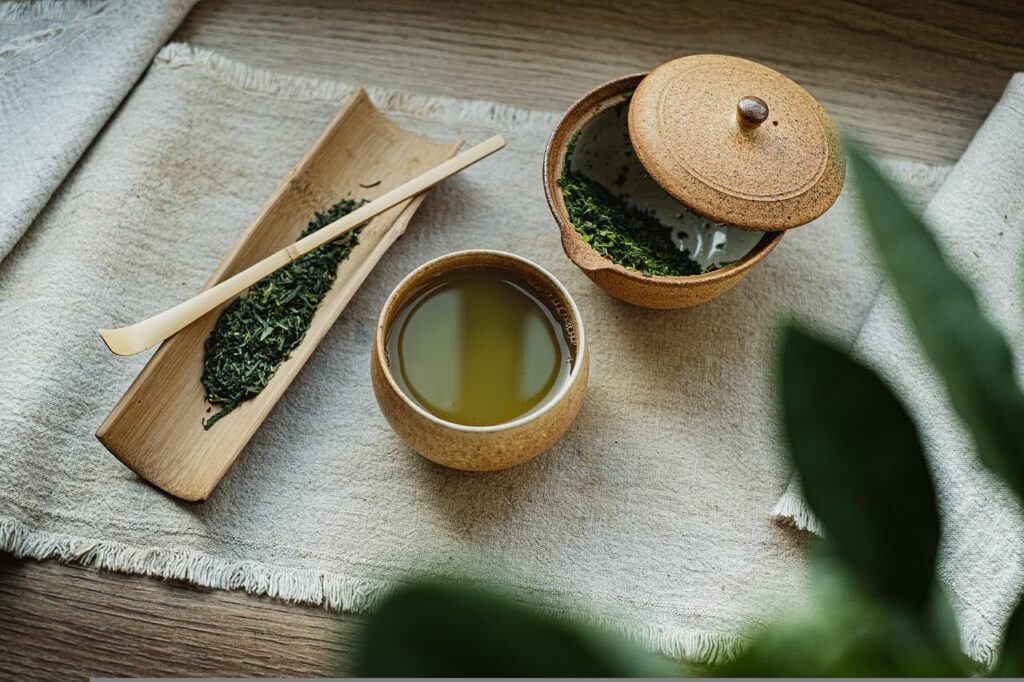
    When it comes to weight loss drinks, the name of green tea comes first. Green tea is also considered one of the healthiest drinks as people have been drinking it for centuries. Let’s talk about whether green tea helps in weight loss or not, if it does, how ? 
    What actually is green tea?

    Tea comes in different varieties (green, black, white, and oolong), but all are derived from the same plant: Camellia sinensis. Green tea is prepared by steaming the leaves of the Camellia sinensis plant. It is not subjected to the same fermentation process as other forms of tea. So it retains its beneficial compounds.

    tea garden, natural, green-2692217.jpg

    Why is green tea beneficial?

    Major beneficial compounds in green tea are catechins and caffeine. 

    Catechins, a complex mixture of polyphenolic compounds found in Cameillia sinensis leaves, account for up to 30% of the dry weight and are thought to be responsible for the majority of green tea’s benefits. (Epigallocatechin-3-gallate (EGCG), the most prevalent catechin found in green tea, accounts for over 40% of the catechin mixture by weight. 

    Caffeine is also a naturally occurring compound found in many plants including tea leaves. Caffeine is a stimulant, meaning it increases the activity of our brain and nervous system. That is the reason why it is consumed all over the world to boost alertness.

    Both catechin and caffeine are reported to augment metabolism. Catechin can help to break down excess fat, while both catechin and caffeine can increase the amount of energy the body uses (1).

    Does consuming green tea actually make a difference?

    Let us dig into a few original and review research articles.

    Men who took green tea extract before exercising burnt 17 percent more fat than men who did not take the supplement, according to one study of 2008. Remember, they took green tea extract which is much more concentrated in terms of beneficial compounds than green tea. This suggests that consumption of green tea works better when one exercises (2).

    A more comprehensive review study* of 2012 reports that green tea did have a favorable effect on weight loss, but the effect was not substantial, and the authors considered that it was unlikely to be clinically relevant (3)

    According to another study of 2016, 12 weeks of treatment with high-dose green tea extract resulted in significant weight loss, reduced waist circumference, and a consistent decrease in total cholesterol  and LDL plasma levels without any side effects or adverse effects in women with central obesity (4)

    Another study of 2015 assessed the effect of green tea extract on fat absorption, resting energy expenditure, and body composition. Supplementation for 12 week in 60 men and women did not have a significant effect on any of the parameters assessed (5).

    So, until now, you may have noticed that results of the researches are inconsistent. And those with positive and significant results are usually are the ones using considerably high doses of green tea extract. Remember, green tea extract is a supplement derived from green tea (of course), which contains concentrated catechins and other compounds. Green tea extract supplements are reported to work, however high doses might have serious health impacts too. So, you really do not want to buy an extract and consume it without the suggestion of a doctor or nutrition expert.

    Takeaway

    Green tea has benefits, no doubt. However, when it comes to weight loss, it is not that significant. Drinking green tea without other strategies such as cutting calories and exercise is less likely to reduce body weight. To lose weight, consume green tea while also using other proven strategies such as cutting calories, avoiding ultra processed foods, regular exercise, stress reduction etc.

    *Review study refers to studies that summarize the existing literature on a topic in an attempt to describe the present state of understanding on the topic. 

  • How to be A Dietician and/or Nutritionist in Nepal 

    How to be A Dietician and/or Nutritionist in Nepal 

    When we were children, so many grown-ups including our parents, neighbors, and guests coming to our home used to ask us that timeless question: What do you want to be when you grow up? Being a 90’s kid, I believe most of us said ‘I want to be a doctor.  Medicine is one of the many subjects studied in the health care sector.  Now, the scenario has changed. Maybe not in their childhood, but during their teenage, most of the youngsters in our opinion are wanting to enter into the sector of nutrition.

    Research shows that the nutrition sector is growing so fast these years. Increased interest in the field of nutrition and dietetics is fueled by an increasing focus on preventive care services all around the globe. Well, there are few differences and also similarities between a nutritionist and a dietician, this post will discuss the processes and steps to be a dietician in Nepal. If you want to know what exactly dietician and nutritionist mean, click here. Okay! Enough of background! Let us go to the point!

    To become a dietician in Nepal, one must complete a ‘Bachelors’ of science in Nutrition and Dietetics. There is only one entity teaching BSc. nutrition and dietetics in Nepal as of April 2022 (Baisakh 2079): Tribhuvan University (TU) via Central Campus of Technology, Dharan. The B.Sc.ND program consists of eight semesters (four academic years) and 127 credit hours. In the final year of the bachelors, students have to do internships in hospital or medical settings.

    Prerequisite (1)

    • Degree certificate of +2 Science or I. Tech. in Food/Lab Technology, or equivalent with at least grade ‘C’.
    • Students having a 10+2 or equivalent from a foreign board must have studied science and received at least a C in the key subjects English, Mathematics, Physics, and Chemistry.
    • A level students must have received at least a D in Mathematics, Physics, and Chemistry to be eligible.
    • Pass the entrance examination conducted at Central Campus of Technology, Institute of Science and Technology (IOST), TU.

    So, that was for your bachelor’s degree. With this degree, you are qualified as a dietician in Nepal. If you want to go further and obtain a higher degree, there are two different options to this date.

    Post Graduate Degree in Nutrition and Dietetics

    There are two institutions offering masters degrees in nutrition: College of Applied Food and Dairy Technology (CAFODAT), Purbanchal University and Padmakanya Campus, Tribhuvan University. However, the degree names are different. 

    CAFODAT offers a 4-semester (2 years) MSc. in Nutrition and Dietetics. The campus is located in Patan. It is a 61- credit degree. 

    Padmakanya campus offers MA in Home Science, which is also a two year course. They mention that, though a Master of Arts in a science discipline may seem strange, Home Science is both a science and an art form since it takes and synthesizes concepts and theories from the arts and humanities. Many students with their bachelors degree in public health, bachelor’s in science, bachelor’s in dietetics etc. pursue this degree. Usually, if a student does not have a bachelor’s degree in nutrition and dietetics but pursues this master’s degree, they usually call themselves nutritionist but not dietician. The campus is located in Baghbazar, Kathmandu.

    Licensing after Degree

    In most of the countries, licensing is required for dieticians just like for other health professionals such as medical doctors, nurses, public health practitioners etc. However, in Nepal, there is no licensing system yet.  There are few bodies that work in related areas such as Nepal Dietician Association and Nutritionist & Dietitian association of Nepal and they promote nutrition education and conduct training, presentations and related works in the area of nutrition and dietetics. We wish we could provide more details about them but unfortunately they do not have their own websites and their facebook pages do not have much information about the scope of this article.

    So, that is all, that is how you can become a dietician in Nepal.

    Summary

    We are sorry. For this one, you have to read the whole article. 🙂