Tag: hypertension

  • Salty Method of Reducing Salt in Your Diet

    Salty Method of Reducing Salt in Your Diet

    We may have heard several times from about the importance of reducing salt intake from our food. Salt is made up of sodium and chloride (Nacl). Chloride in salt in not of concern, however sodium is a big concern in our diet today. Thus, reducing salt intake essentially means reducing sodium.

    Why Should We Reduce Our Sodium Intake?

    Excess intake of sodium can lead to high blood pressure, a leading cause of heart disease and stroke. Too much sodium also causes fluid to accumulate in the lower legs or abdomen, which is fatal for people with chronic kidney disease and heart diseases.

    How Much Sodium is Recommended?

    Sodium is an essential nutrient required for our body. However, it’s not needed much. According to World Health Organization, adults should consume less than 5 g (just under a teaspoon) of salt per day. Since salt is 40% sodium and 60% chloride, our daily sodium consumption should be below 2000 mg.

    How Much Sodium Do We Consume?

    According to World Health Organization, most people around the globe consume double the amount of sodium that the recommended. In the case of Nepal, the dietary salt intake is 9.1g per day which is about double the amount world health organization recommends (Step Survey 2019). No wonder, about 24.5% of adults (15-69 years) are hypertensive as per Step Survey 2019. Since 2013, hypertension has been reported to have increased by 4.5% (5). According to a meta-analysis 2019, prehypertension is also very high in Nepal (35.4%) (6).

    What are the Sources of Sodium?

    Sodium is naturally found in many foods in small amounts. However, they are not something to be worried about. Added sodium should be used with caution. Other than salt, sodium is also high in fish sauce, soy sauce, teriyaki sauce, ketch up, picked achar etc. Thus, be extra cautious.

    SALTY Method in Reducing Salt/Sodium

    Say No to Ultra Processed Foods

    A big source of salt in our diet is highly processed foods. Instant noodles, biscuits, chips, crackers, etc. are high in sodium. Even eating too much chatpatey, panipuri, daalmot can increase your amount of sodium intake. Thus, always opt for less processed whole foods. Try to reduce the overall intake of highly processed foods.

    Add Natural Seasoning Such as Herbs for Better Flavor and Taste

    We love salty foods because it tastes good. However, you can still enjoy less salty (less sodium) but delicious meals using lovely favors from several herbs and spices. Herbs and spices such as coriander, parsley, oregano, black pepper, nutmeg, cardamom, cumin, ginger, lemongrass tec. Adding lemon or lime juice, or lime zest makes foods even better. Herbs and spices not just add flavors to your food, they are health promoting too. Experiment with different herbs and spices. May be, you want to learn more about some flavors from others culture. For example, Thai use galangal, basil, and lemongrass a lot while Nepalese use cumin and coriander. Experiment with such flavors and gradually reduce your salt intake.

    Limit Salt While cooking and Preparing

    One of the many strategies to reduce sodium intake at home can be eating salty meals only once or twice a day. If that’s not possible, reducing salt intake overall in your meal is also beneficial. Whatever you cook, whether its curries, soups, legumes, or chutneys, always add less salt. If you use flavoring with high sodium content such as soy sauce, fish sauce etc., be cautious. This way, not just you, your entire family member’s sodium intake is reduced.

    Take Salt and Salty Sauces Off Your Table

    Many people have saltshaker in their tables. Even if saltshaker is not there, they add extra salt or salty sauce while eating. Remember, the threshold of your salty sensation is increased when you constantly consume too much of salt in food. Thus, when the meal at your home or restaurant is there for you to eat, eat as it is, do not add extra salt even if it is not as salty as you desire.

    Yes to Reading Nutritional Facts/Labels

    Nutritional labels are facts that are on the back side of packaged foods, showing what nutrients and other ingredients are in the food. It also shows amounts of different nutrients of concern in percentage form. Just like carbohydrates, protein, fats and sugar content, sodium content is always listed on the label. So, always check if sodium content is too high for a serving of a product. If you start reading nutritional labels of packaged foods, you will also learn to choose low salt versions, reduced salt versions and/or no-salt-added versions of same foods of same brand.

    Take Away

    Though sodium is an essential nutrient, too much sodium has negative health consequences. Thus, use EASY method of salt reduction. Try following a step at a time and make it a habit before trying to do everything at once and failing.

  • Role of Flax Seeds in Hypertension
    Role of Flax Seeds in Hypertension

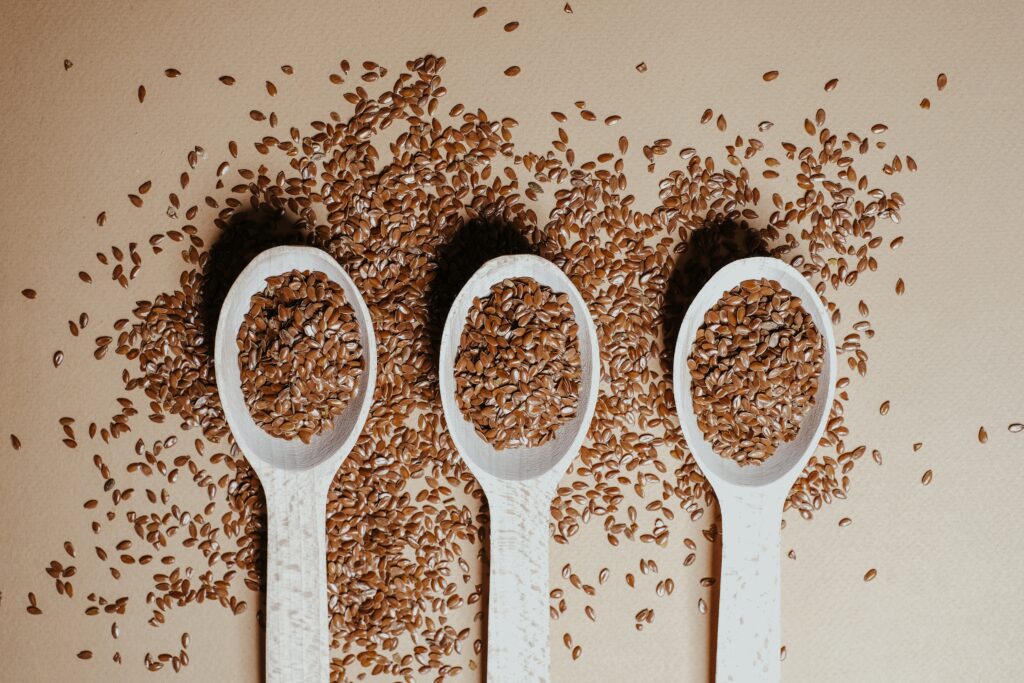
    Flax seed is the seed of the flax plant, an annual herbaceous plant, belonging to the flax family. The Latin name of flaxseed is Linum usitatissimum L. which means very useful. It has two basic varieties: brown and yellow or golden.

    One tablespoon-7g of ground flax seed contains 37 calories, 1.3g of protein, 3g of fat and 2g of carbohydrates. Almost all carbohydrate in flax seed is dietary fiber, so the net carbohydrate is only 0.1g. Of all fat in flaxseed (approximately 30%), 53% are α-linolenic acid (omega-3), 17% linoleic acid (omega-6), 19% oleic acid (omega-9), and remaining saturated fat, which provides an excellent omega 6: omega 3 fatty acid ratio of approximately 0.3:1. The omega 3 fatty acids (alpha linolenic acid) content of a tablespoon of ground flax seed is 1,597 mg which makes it one of the richest sources of omega-3 in plant-based food (1) (2).

    Because of these extraordinary components, it has gained huge popularity nowadays and often termed as ‘superfood’. Flax seeds have been used since centuries for several health conditions and has a huge role in traditional medicine. Besides its excellent nutritional profile, flax seed is also shown to have myriad of benefits in several disease and health conditions.

    One of which is, its role in hypertension.

    High blood pressure is a major health burden associated with the increased risks of heart, brain, kidney, and other diseases (3). A study* shows that patients who ingested a variety of foods that contained 30 g of milled flaxseed over 6 months were found to have decreased blood pressure as compared to group that did not consume flax seeds. The presence of omega 3 (ALA), lignans, fiber, peptides, or a synergistic action of all 4 components together are considered to be the reasons for decreased blood pressure (4). Consumption of flax seeds has shown to reduce high blood pressure in many other animal and human studies (5). Thus, consumption of flax seed can be a cost-effective way to reduce the burden of hypertension among risk groups.

    *Prospective, Double Blind, Placebo- Controlled, Randomized Trial

  • Hypertension in Nepal: Causes and Solutions

    Hypertension in Nepal: Causes and Solutions

    What is hypertension?

    Hypertension is commonly called as high blood pressure. Blood pressure is determined by the amount of blood pumped by the heart and the resistance of arterial blood flow. The more blood the heart pumps and the narrower the arteries, the higher the blood pressure. Blood pressure is written with two numbers. The first number (systolic blood pressure) represents the pressure in the blood vessels when the heart contracts or beats. The second number (diastolic blood pressure) represents the pressure in the blood vessels when the heart rests between beats (1).

    Hypertension is often regarded as a “silent killer” because most hypertensive patients are not aware of this problem. If left untreated, high blood pressure can cause persistent chest pain, heart attack, heart failure, and irregular heartbeat, which can lead to sudden death. 

    Hypertension is also likely to cause block or burst the arteries that supply blood and oxygen to the brain and damage the kidneys, leading to strokes, which can lead to kidney failure. Hypertension can harden the arteries, reduce the flow of blood and oxygen to the heart, and cause damage to the heart. Unfortunately, 1.13 billion people worldwide have hypertension (2)

    Diagnosis

    When measured on two different days, if the systolic blood pressure reading on both days is ≥140 mmHg and/or the diastolic blood pressure reading on both days is ≥90 mmHg, hypertension is diagnosed (1).

    Prevalence of Hypertension in Nepal

    A nationwide study conducted in 2018 as a part of May Measurement Month (MMM) shows that 27.8% adults (>18 years) are hypertensive. The MMM screening of consequent year (2019) showed similar prevalence level. The research also showed that smokers had higher BPs compared to non-smokers. Likewise, alcohol drinkers who consume alcohol one or more times per week as compared to those that never/rarely drink had higher BP levels. Systolic and diastolic blood pressure was significantly higher in people with higher body mass index (3) (4).

    Similarly, STEP survey of 2019 reported the similar statistics as 24.5% of adults (15-69 years) were found to be hypertensive. It was highest in Gandaki province while lowest in Province number 2. Economic status did not affect hypertension while increased level of education was associated with lower prevalence. Since 2013, hypertension was reported to be increased by 4.5% (5).

    According to a meta-analysis 2019, prehypertension is also very high in Nepal (35.4%) (6)

    Salt Intake

    STEP survey 2019 also found that the dietary salt intake is 9.1g per day which is about double the amount world health organization recommends. People reported often adding salt to salty sauces to food while eating while the consumption of processed food is also found to be the source. Younger adults, who are more educated, wealthier and live in rural municipalities consumed processed foods more frequently than others (5)

    Consumption of processed foods such as instant noodle, potato chips etc is also in increasing trend in Nepal. Frequent consumption of processed foods which are high in salt has considerably increased (11.5% in 2013 vs 19.5% in 2019). This increase nearly doubled for younger adults aged 15-29 (16.3% in 2013 vs 30.3% in 2019) (5).

    So, what next?

    From the recent data, we can conclude that situation of hypertension is alarming in Nepal. There are several modifiable risk factors for hypertension. These include unhealthy diets (excessive salt intake, diets high in saturated and trans fats, low intake of fruits and vegetables), lack of physical activity, smoking and drinking, and being overweight or obese. Behavior change modification is primary in non-communicable disease. Limiting heavily processed food or foods high in salts, not adding extra salt or salty sauces to food can be advised on a consumer level. This can be achieved by creating and implementing policies to reduce salt intake (food product reformulation; establishing supportive environment in public institutions; communication and mass media campaigns; front-of-pack labelling) at population-level. Besides, it is important to fill the diagnosis and treatment gap in hypertension and other non-communicable diseases.

    Takeaway

    Hypertension affects about a quarter of adults and is in increasing trend in Nepal. As, higher sodium intake is a risk factor, it is recommended to reduce salt intake. Limit/avoid highly processed foods, add lesser amount of salt in curries, avoiding adding salt to fruits or salads and eating more organic raw fresh salads ( make sure it does not have pesticide above the upper limit) without adding any form of salt. However, it is equally important to wash vegetables properly (using methods such as adding salt on warm water and soaking veggies for 15 min etc.-there are other methods too.) or grow or buy organic vegetables. Besides, avoiding smoking and alcohol consumption, regular physical activity and weight control is crucial for preventing hypertension and other diseases as well.