Tag: receipe

  • How to Prepare Mung Bean Cabbage Salad?
    How to Prepare Mung Bean Cabbage Salad?

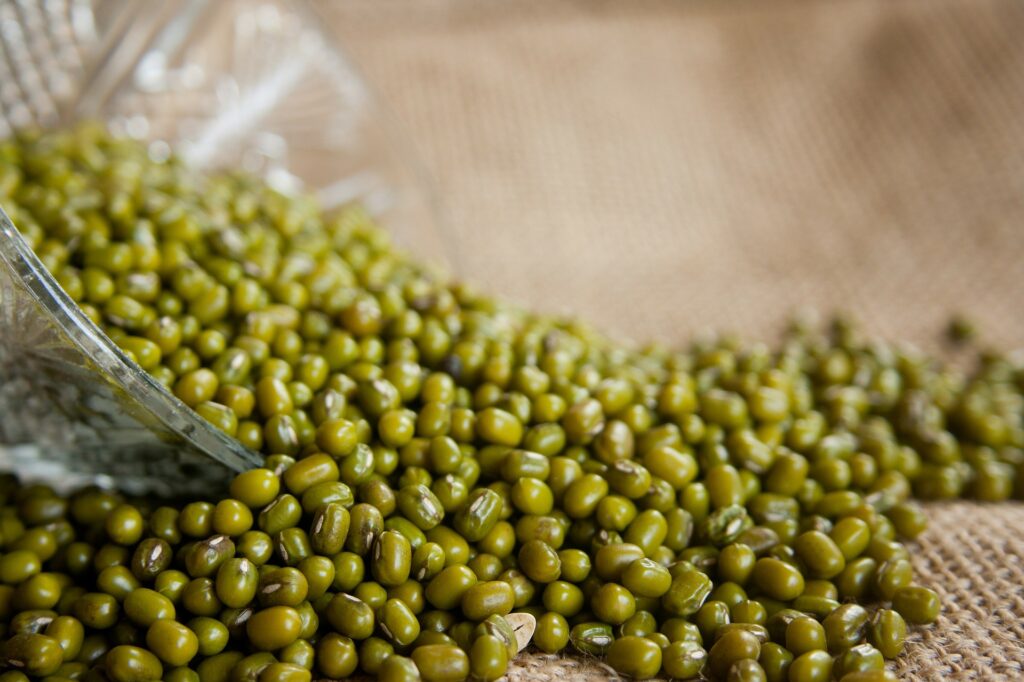
    Mung bean is a protein and dietary fiber rich food. It is widely popular in south Asian countries like Nepal. Be it as regular Daal or during sickness as Khichadi, we consume decorticated (splitted) mung bean on a regular basis.

    Nutritional content of about 100g of whole mung bean seed (soaked for 12 hours) is given below (1). Soaking reduces compounds that inhibit absorption of protein and minerals in our intestine. When you soak mung bean, or any bean, the minerals such as iron, zinc etc. are well absorbed in our body. If you could used germinated one, it is even better. 

    Protein: 27g, Dietary fiber: 4.5g, Carbohydrates: 63.4g, Fat: 1.83g

    Calcium: 81 mg, Iron: 8.4 mg, Phosphorous: 381 mg, Magnesium: 49.9 mg

    How to make mung bean salad?

    Ingredients: Whole mung bean, cabbage, coriander leaves, onion, green chili, lemon, salt

    The day before

    1. Soak around 2 tablespoon (26g) overnight
    2. Steam a small potato (you can do this in the morning too)

    The day

    1. Decant excess water in the morning and wash once with clean water 
    2. Cut about cabbage in small pieces (1 cup)
    3. Cut the steamed potato in small pieces
    4. Cut a little bit of fresh coriander leaves, a green chili, a small red/white onion into small pieces
    5. Add two tablespoon of grounded sesame seed (white or black)
    6. Add 2 teaspoon of lemon juice and a pinch of salt as your taste (not too much)
    7. Mix well the whole thing
    8. Top it with 15-20 Pumpkin seed if you like. Mung bean cabbage salad is ready.

    You can have it as your post workout meal, as a dinner or whenever like. If your workout is heavy, increase the amount of mung bean a bit and also add pumpkin seed on the top.

  • Khalpi, a Traditional Nepali Food

    Khalpi, a Traditional Nepali Food

    What is Khalpi?

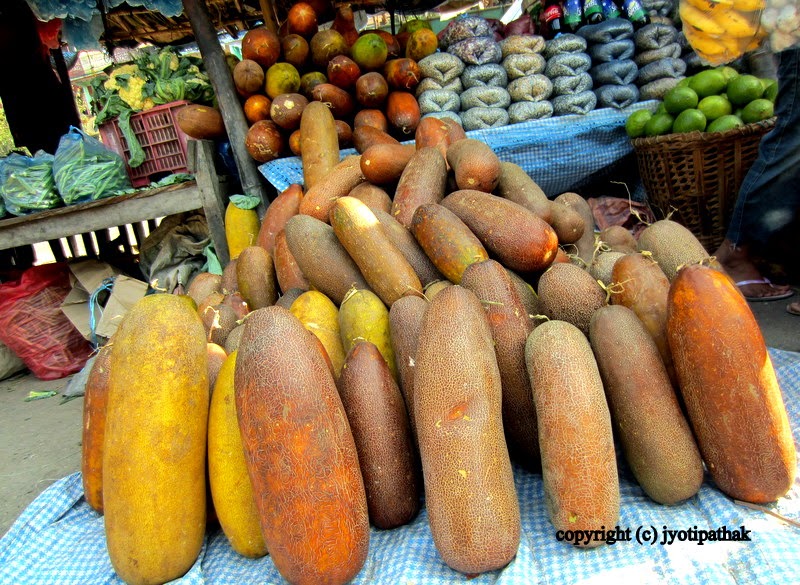
    Khalpi is a traditional fermented Nepali pickle. The major raw material used is matured, ripe cucumber. The cucumber used for preparing Khalpi usually has brown outer layer and is bigger in size.

    Benefits of Khalpi

    Khalpi increases digestion and absorption of food and known to be a good appetizer. In Khalpi fermentation, initially, Leuconostoc fallaxL. brevis, and Pediococcus pentosaceus are active and later dominated by L. plantarum.  These are all good bacteria which are also known as probiotics. Probiotics are combination of live beneficial bacteria and/or yeasts that are known to exert many health benefits. Khalpi has antimicrobial properties and is also beneficial in diarrhea and constipation.

    Economic and Environmental Value of Khalpi

    During the season of cucumber, the supply may be higher than demand. Because it is a water rich food, it is highly perishable just as any other green vegetables. If we ferment such excess cucumber, which would otherwise be wasted, it preserves the food and reduces food waste. Reducing food waste has several environmental benefits.

    Fermentation of cucumber also gives new texture, flavor, and aroma to the food. It adds another healthy add on to our regular diet.

    Cucumber fermentation is efficient as the fermented cucumber do not require cold preservation and thus requires less energy. This is also because, Khalpi preparation is suitable for small scale as well. 

    How to Prepare Khalpi?

    There are two popular ways to prepare Khalpi. 

    First, mature, and ripened cucumbers are cut into definite sizes and the inner part is removed. Then, it is sundried for 2 days. They are then put into bamboo vessels called dhungroo and sealed. Fermentation is allowed to take place for 4 to 7 days at room temperature. The product can be stored for about a week in an airtight container. The Khalpi pickle is done preparing after mixing with mustard oil, chilies, and salt.

    Another method, the cucumber is washed; sliced lengthwise; the inner soft portion removed; cut into pieces (5–8 cm); mixed with rapeseed powder, red chili powder, turmeric powder, and salt; and heated with mustard oil. The mixture is transferred to an earthen or glass pot, covered with cloth or lid, and allowed to ferment 3 days before the Khalpi is ready for use. It is preferred to eat for 3-5 days. It can be stored in room temperature and eaten within 7 days.