Tag: wfpb

  • What is Vegetarian, Vegan, Plant-based and Whole Food Plant Based Diet (eating)? Are These Same?

    What is Vegetarian, Vegan, Plant-based and Whole Food Plant Based Diet (eating)? Are These Same?

    Plant-based diet, vegan diet, vegetarian diet, whole food plant-based diet??? What are they all? Are these same? Are they different? Let’s find out!

    Vegetarian diet: Vegetarian diet are mainly categorized to two. Lacto ovo vegetarians and lacto vegetarians. Lacto-ovo vegetarians avoid meat and fish but include eggs and dairy in their diet whereas lactovegetarians avoid eggs. Vegetarian diet varies in terms of how much of plant foods it contains. Some people who eat dairy as major part of diet, and very little plant foods also count as vegetarians. So, it is just about what they exclude rather than what they include.

    Plant based diet: Diet that primarily comprises of foods coming from plant sources is called plant-based diet. Generally, it refers to diet containing 100% foods of plant sources; however, some people might include animal products sometimes and still call it plant based diet. This means, plant-based diet apart from whole and minimally processed food groups, also includes processed plant-based foods such as french fries and refined flours.

    Vegan diet: Vegan diet comes from the concept of veganism. Veganism, according to vegan society, is a philosophy and way of living which seeks to exclude—as far as is possible and practicable—all forms of exploitation of, and cruelty to, animals for food, clothing, or any other purpose; and by extension, promotes the development and use of animal-free alternatives for the benefit of animals, humans, and the environment. In dietary terms it denotes the practice of dispensing with all products derived wholly or partly from animals.” So, now you know what vegan diet means. In vegan diet, the motive is animal welfare. However, it is important to note that, these days, people have begun to adopt the vegan way of eating for reasons other than animal welfare (such as health and the environment), and the term “vegan diet” is now used to denote any diet that eliminates animal products, regardless of motive.

    Whole Food, plant-based diet: Whole foods are those which are mostly unprocessed and closest to its natural state. Plant based simply means the food come from plants and not animals. The food groups included are whole grains, legumes, fruits, vegetables and small quantities of nuts and seeds. WFPB is defined more by ‘what to include’ unlike vegan diet, which is defined more by what to exclude. WFPB has strong health ethos than ethical, however if you are following WFPB diets, you are already being ethical in terms of food at least. You may have seen some people who do not follow the philosophy of veganism but may eat whole food plant-based eating pattern. And yes, WFPB diets are more strict than vegan diet because processed food is kept to a minimum or avoided in WFPB. The table below might help you to find out what they are.

    PB WFPB Vegan
    Meat No No No
    Dairy No No No
    Eggs No No No
    Fish No No No
    Oils/margarines Yes No/Minimal Yes
    French fried Yes No Yes
    Deep fried plant foods Yes No Yes
    Refined flour, cakes Yes No Yes
    Other plant based processed foods Yes No Yes

    Takeaway: Vegetarian diet, vegan diet, plant-based diet and whole food plant-based diet are similar but differ in their approaches to nutrition, reasons to follow and foods to avoid.

  • WFPB: Whole Food Plant Based Diet
    WFPB: Whole Food Plant Based Diet

    What is the best diet in the world? What is WFPB?

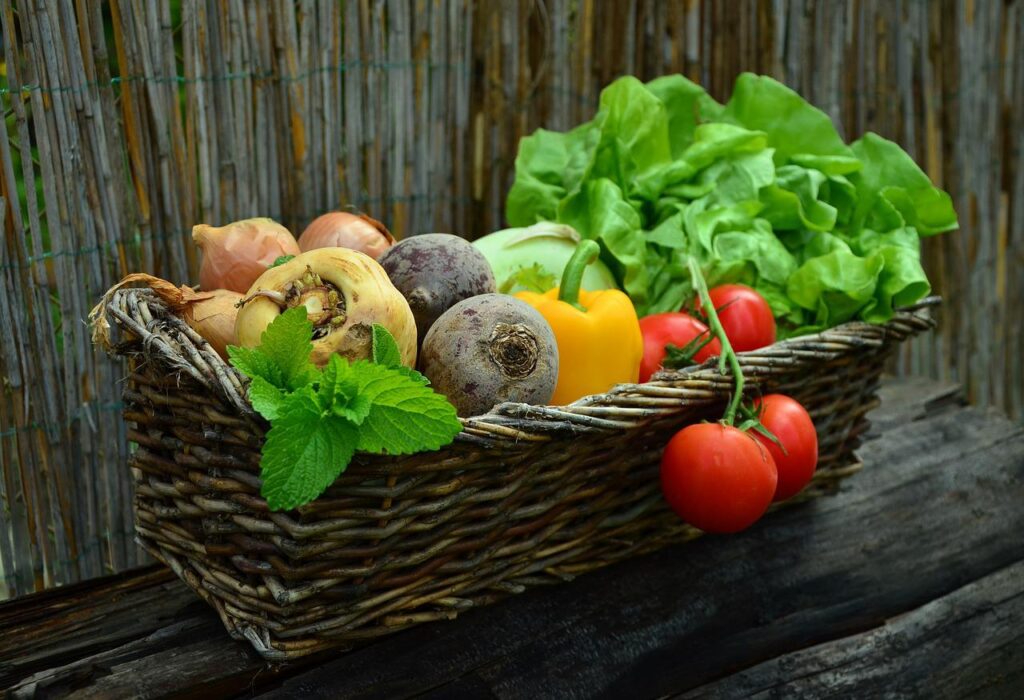
    Let’s divide WFPB to two parts. Whole foods, that means foods that are nearest to their natural state or that are minimally processed. Plant based means the foods primarily come from plants and not from animals. So now you know what whole food plant-based diet refers to.

    WFPB is an eating pattern similar to a vegan diet that emphasizes plant-based foods while avoiding or strictly limiting animal items such as meat, fish, eggs, and dairy. 

    WFPB diets are more strict than vegan or vegetarian diets. It mainly comprises of whole, unprocessed, or minimally processed carbohydrates for the majority of their calories. This diet pattern usually consists of 7–15 percent fat, 75–80 percent CHO, and 10–15 percent protein, however the macronutrient composition might vary.

    Following a whole food plant-based diet means you will definitely experience its benefits in numerous ways. It is not difficult to follow either if you are determined towards your health and the health of your surroundings. So, what benefits you will get by following a whole food plant-based diet? Oh! Its countless baby 😉

    -Improved mood

    -Improved body composition

    -Improved sports performance

    -Improved gut health

    -Improved immunity

    -Improved reproductive health

    -Obesity control

    -Better sleep

    -Reduced risk of heart diseases, diabetes, hypertension, cancer, kidney diseases and many more

    -Better skin and resolution of acne

    And MANY MORE…………….

    Modern diseases such as diabetes, heart disease, and cancer are linked to diets that include a lot of processed foods and animal products. You won’t believe, but WFPB is capable of reversible most of these chronic diseases without using/using nominal allopathic medications.

    The Adventist Health Study 2 found that each step along the dietary range, from omnivore to vegan, reduced the risk of chronic illness. And participants’ diet was not just vegan but whole food plant based! Not just this, growing body of researches show that whole food plant-based diet exerts tremendous health benefits, prevention and even reversal from chronic diseases.

    Why is whole food plant-based diet so healthy?

    Phytonutrients!! Synergy of diverse Phytonutrients!!! Whole and together, not separately.

    SO, what are phytonutrients? They are all the disease fighting and health promoting biologically active plant compounds which come only from plants and not animals!! Do you know why these phytonutrients are there in plants? To protect them from diseases and harsh environmental conditions. And what do they do for us? Similar function! To protect us!

    Phytonutrients enhance health by reducing inflammation, oxidative damage, cholesterol etc. They help creating healthy gut microbiota, improve circulation, enhance immune system, and regulate gene expressions.

    What are the dos and don’t of WFPB diets then?

    Dos

    Eat whole grains eg. Brown rice, quinoa, millets, buckwheat, barley, whole wheat products such as unrefined whole wheat flours etc.

    Eat Legumes such as edamame (young soybeans), tofu, tempeh, lentils, black gram, chickpeas, pea, black bean, cow pea, green beans, faba beans etc. Sprout dried legumes

    Eat plenty of seasonal and local green leafy vegetables such as mustard greens, spinach etc.

    Eat plenty of cruciferous vegetables such as broccoli, cauliflower, turnip greens, turnip, cabbage etc.

    Eat plenty of sprouted vegetables such as broccoli sprouts, fenugreek sprouts, sunflower sprouts, onion sprouts etc.

    Eat seasonal and water rich fruits everyday such as guava, oranges, apple, pineapples, mango, grapes etc.

    Eat omega 3 rich foods such as flax seeds, hemp seeds, walnuts etc.

    Eat nuts and seeds in small quantity every day

    Don’ts

    Avoid refined flours and their products (e.g., Instant noodles, biscuits, sewai), processed sugar, sugar sweetened beverages (e. g. coke, fanta, redbull, sugary juices, flavored juices etc.), sugary jams, white breads, white pasta, fruit juices etc.

    Avoid animal-based foods such as meat, fish, dairy (ghee, butter, milk, curd, paneer, cheese), and egg

    Avoid oils and margarines. Oils are not whole foods. They contain highest caloric content among all the foods and contain no other nutrients. We know it’s a big adjustment in case of oil. Adding very little oil can still be okay if other eating pattern is well.

    Also, protein supplements are not whole and unnecessary in whole food plant-based diet. 

    Summary: Whole food plant based diet is more of a lifestyle that involves eating plant based foods nearest to their natural state. Accumulated research shows that whole food plant based diet has plethora of health benefits.

    What if you see whole food plant-based diet too far but still want to improve your diet? Click here.

    Resources

    Adair, K. E., & Bowden, R. G. (2020). Ameliorating Chronic Kidney Disease Using a Whole Food Plant-Based Diet. Nutrients, 12(4), 1007. https://doi.org/10.3390/nu12041007

    https://adventisthealthstudy.org/researchers/scientific-publications/adventist-health-study-2-publication-database

    Turner-McGrievy, G. M., Davidson, C. R., Wingard, E. E., Wilcox, S., & Frongillo, E. A. (2015). Comparative effectiveness of plant-based diets for weight loss: a randomized controlled trial of five different diets. Nutrition31(2), 350-358.

    Wright, N., Wilson, L., Smith, M., Duncan, B., & McHugh, P. (2017). The BROAD study: A randomised controlled trial using a whole food plant-based diet in the community for obesity, ischaemic heart disease or diabetes. Nutrition & diabetes7(3), e256-e256.

    Massera, D., Graf, L., Barba, S., & Ostfeld, R. (2016). Angina rapidly improved with a plant-based diet and returned after resuming a Western diet. Journal of geriatric cardiology: JGC13(4), 364.