Author: sataahar

  • 6 Highly Impactful Ways to Help Reduce Climate Change From an Individual Level

    6 Highly Impactful Ways to Help Reduce Climate Change From an Individual Level

    Climate change is one of the biggest issues we are facing as a generation. Our every action, every little action has a carbon footprint. Carbon footprint is the total amount of greenhouse gasses (including carbon dioxide and methane) that are generated by our actions (the way we live, entertain and consume).

    When we search on the internet about daily activity on an individual level to help tackle climate change, different suggestions come up. Many blogs or articles mention using your own water bottle, carrying your own shopping bag, avoiding using single use plastics such as straw and so on. Well, these actions definitely help but there are actions that are much more impactful. Such impactful ways are often not well communicated or talked about enough. In today’s scenario, where climate change impacts are increasing day by day and there is not much time, we need to do much more than just carrying our own bottle. 

    Just to give you a background, countries have gathered and signed the Paris Agreement establishing a worldwide framework to keep global warming below 2°C and to pursue efforts to keep it below 1.5°C in order to prevent severe climate change. However, many countries are still hesitant to do the required and playing a blame game. Every inactive and inefficient day will jeopardize our and our children’s future. In this scenario, individual action plays a crucial role not just to lead by example but also to advocate for action. Today, we will discuss 5 ways we can help tackle climate change while reducing our own carbon footprint. We compiled a list of the most realistic changes you can do. Individual action is essential to raise the importance of issues to policymakers and businesses., even while individuals may not make significant emissions reductions that keep climate change to manageable levels.

    Eat Less Meat and Other Animal Products

    Avoiding meat and dairy products is one of the biggest ways to reduce your environmental impact on the planet. Raising animals for meat, eggs and dairy is not just one of the most inefficient ways to nurture our health, it is also harmful to the environment. You might be surprised to know that 77% of the world’s agricultural land is used for livestock. According to the Food and Agricultural Organization of the United States (FAO), between 2000 and 2010, large-scale commercial agriculture—primarily cattle ranching and soya bean (primarily to feed animals for our use) was responsible for 40% of tropical deforestation. No wonder, animal agriculture is one of the largest emitters of greenhouse gasses.

    But, there is a solution in our hands. Cut off your animal based foods.  If your diet consists of a large amount of meat, avoiding it all at once might not be possible. Start by eating fewer or smaller portions of meat, especially red meat, which has the largest environmental impact, and reduce dairy products or switch them for non-dairy alternatives. If eating 100% plant based is not possible for you, do it most of the time. Find alternatives, if there is none, think about creating one. Also, there is big buzz about sustainable meat. However, to lower your carbon footprint, less meat is almost always better than sustainable meat.

    Think About Consumption than Emission

    In today’s fast paced consumeristic and materialistic world, having less things has become a sign of dearth. Today, we buy much more than we need and ultimately throw them out without even using them properly. Take an example of your clothes. How many pairs of clothes do you have and how many of them do you use regularly? How much unused kitchen equipment and utensils do you have? How often do you change your mobile phone?

    According to a research titled “Environmental Impact Assessment of Household Consumption,” up to 60% of the world’s greenhouse gas emissions are caused by our daily consumption. Additionally, the manufacture of goods imported for use from other nations has also constantly expanded, which only increases carbon emissions. Therefore, using less items will directly lead to leaving behind a lower carbon footprint. Less items, less waste, simple as that!

    Buy what you need! Understand the difference between need and wants. Make more environmentally conscious purchases. Avoid single-use items and fast fashion. Repair and reuse.

    Reduce Food Waste

    Food waste has significant implications on both a national and international level.

    One-third of the food produced worldwide is thrown away uneaten. Methane, a potent greenhouse gas that contributes to global warming, is produced when food waste decomposes in landfill. According to estimates from the Food and Agriculture Organization (FAO) of the United Nations, if food waste were a nation, it would rank third in terms of greenhouse gas emissions behind the US and China. 

    How much of a food waste do you do? Watch your refrigerator. Watch your plate. Do not impulse buy your food. Buy not so good looking veggies and fruits-ugly produce. They do not have to look perfect or be medium sized to be eaten. Preserve foods and learn ways of doing it. 

    Reduce On Flying / Use Flights Less Often

    The aviation industry contributes significantly to greenhouse gas emissions that cause global warming. Unfortunately, flying culture is increasing day by day. 

    Flights or flying are extremely energy-intensive and depend on fossil fuels.

    Evidence shows that, In 2018, 2.4 percent of the world’s CO2 emissions came from the aviation industry. You may think, well it’s just 3.4 percent, what’s the big deal? Keep in mind that if the global commercial aviation sector was a country, it would rank sixth globally,in the 2019 national GHG emissions rankings.

    Walk or bicycle. If that’s not possible, use public transportation such as trains or buses. If that is not possible, use your motorbike or car and try to share the ride. Use flight only if there is no other way.

    Protect Greenery / Forests

    Forests and green spaces are the heart of climate solutions. By absorbing carbon dioxide and storing it in soils and forest biomass, forests play a vital role in tackling the effects of climate change. Unfortunately, it is estimated that about 10 million hectares of forest are cut down each year. According to the World Wide Fund For Nature (WWF), agriculture, poor forest management, mining, infrastructure projects, and an increase in the frequency and intensity of fires, are the main drivers that lead to deforestation and severe forest degradation. Research shows that a successful method of reducing climate change can be achieved through the preservation of forests, especially the ones with high plant diversity and those providing habitat for endangered vertebrate species. 

    Moreover, green spaces are crucial especially in urban areas as the number of people living in urban areas is increasing every day. Cities are becoming more crowded. Urban heat island effect, which refers to heat trapped in built-up regions, can be reduced by green spaces in cities, which also lessen the effects of pollution. Thus, respecting and protecting green spaces is vital to tackle climate change. How can you do so: by supporting forests conservation organization, by planting trees, connecting with nature, by speaking up! 

    Speak Up/ Transfer the Knowledge

    Even if you know every fact but you do nothing about it, it is not going to change things for the better. Oftentimes, it is difficult to communicate about climate change when a lot of false information and lies are being sold. Thus, learning from credible sources is of paramount importance. While it’s important to learn things, it is equally important to unlearn some things as well. Remember, big changes begin with small talks.  Speak up as individuals and as organizations, discuss these issues with your coworkers, friends, and family on a daily basis, and write to your political leaders. Use your voice and vote to support effective climate action.

    Takeaway

    A journey of thousand miles begin with a single step. Learn about it, internalize the facts, assess your lifestyle and start making changes. You are not just an individual, you are a consumer, buyer, producer, citizen and most of all, a voter. Be a responsible one! And always show up when needed, always speak up whenever you get a chance.
  • Salty Method of Reducing Salt in Your Diet

    Salty Method of Reducing Salt in Your Diet

    We may have heard several times from about the importance of reducing salt intake from our food. Salt is made up of sodium and chloride (Nacl). Chloride in salt in not of concern, however sodium is a big concern in our diet today. Thus, reducing salt intake essentially means reducing sodium.

    Why Should We Reduce Our Sodium Intake?

    Excess intake of sodium can lead to high blood pressure, a leading cause of heart disease and stroke. Too much sodium also causes fluid to accumulate in the lower legs or abdomen, which is fatal for people with chronic kidney disease and heart diseases.

    How Much Sodium is Recommended?

    Sodium is an essential nutrient required for our body. However, it’s not needed much. According to World Health Organization, adults should consume less than 5 g (just under a teaspoon) of salt per day. Since salt is 40% sodium and 60% chloride, our daily sodium consumption should be below 2000 mg.

    How Much Sodium Do We Consume?

    According to World Health Organization, most people around the globe consume double the amount of sodium that the recommended. In the case of Nepal, the dietary salt intake is 9.1g per day which is about double the amount world health organization recommends (Step Survey 2019). No wonder, about 24.5% of adults (15-69 years) are hypertensive as per Step Survey 2019. Since 2013, hypertension has been reported to have increased by 4.5% (5). According to a meta-analysis 2019, prehypertension is also very high in Nepal (35.4%) (6).

    What are the Sources of Sodium?

    Sodium is naturally found in many foods in small amounts. However, they are not something to be worried about. Added sodium should be used with caution. Other than salt, sodium is also high in fish sauce, soy sauce, teriyaki sauce, ketch up, picked achar etc. Thus, be extra cautious.

    SALTY Method in Reducing Salt/Sodium

    Say No to Ultra Processed Foods

    A big source of salt in our diet is highly processed foods. Instant noodles, biscuits, chips, crackers, etc. are high in sodium. Even eating too much chatpatey, panipuri, daalmot can increase your amount of sodium intake. Thus, always opt for less processed whole foods. Try to reduce the overall intake of highly processed foods.

    Add Natural Seasoning Such as Herbs for Better Flavor and Taste

    We love salty foods because it tastes good. However, you can still enjoy less salty (less sodium) but delicious meals using lovely favors from several herbs and spices. Herbs and spices such as coriander, parsley, oregano, black pepper, nutmeg, cardamom, cumin, ginger, lemongrass tec. Adding lemon or lime juice, or lime zest makes foods even better. Herbs and spices not just add flavors to your food, they are health promoting too. Experiment with different herbs and spices. May be, you want to learn more about some flavors from others culture. For example, Thai use galangal, basil, and lemongrass a lot while Nepalese use cumin and coriander. Experiment with such flavors and gradually reduce your salt intake.

    Limit Salt While cooking and Preparing

    One of the many strategies to reduce sodium intake at home can be eating salty meals only once or twice a day. If that’s not possible, reducing salt intake overall in your meal is also beneficial. Whatever you cook, whether its curries, soups, legumes, or chutneys, always add less salt. If you use flavoring with high sodium content such as soy sauce, fish sauce etc., be cautious. This way, not just you, your entire family member’s sodium intake is reduced.

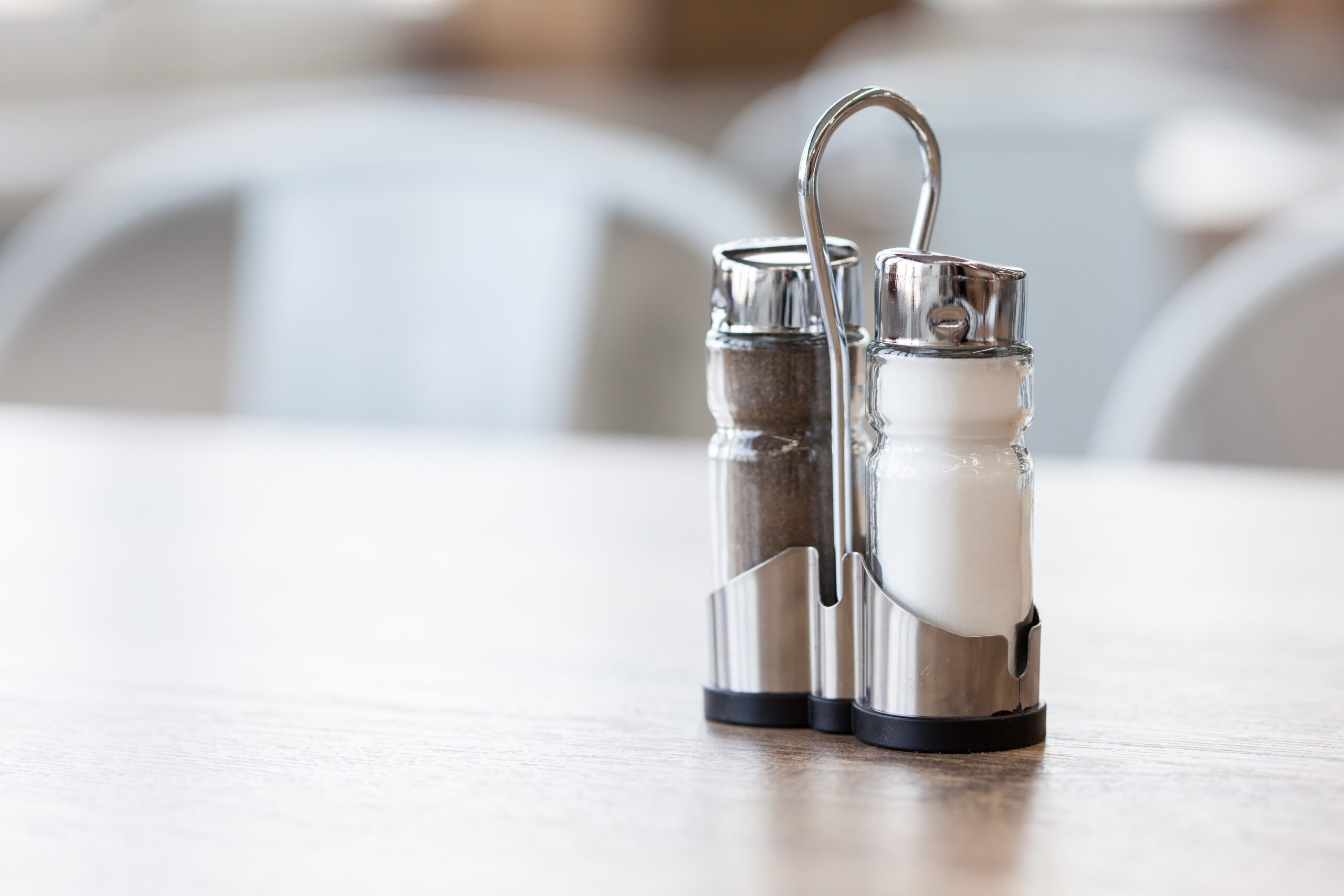
    Take Salt and Salty Sauces Off Your Table

    Many people have saltshaker in their tables. Even if saltshaker is not there, they add extra salt or salty sauce while eating. Remember, the threshold of your salty sensation is increased when you constantly consume too much of salt in food. Thus, when the meal at your home or restaurant is there for you to eat, eat as it is, do not add extra salt even if it is not as salty as you desire.

    Yes to Reading Nutritional Facts/Labels

    Nutritional labels are facts that are on the back side of packaged foods, showing what nutrients and other ingredients are in the food. It also shows amounts of different nutrients of concern in percentage form. Just like carbohydrates, protein, fats and sugar content, sodium content is always listed on the label. So, always check if sodium content is too high for a serving of a product. If you start reading nutritional labels of packaged foods, you will also learn to choose low salt versions, reduced salt versions and/or no-salt-added versions of same foods of same brand.

    Take Away

    Though sodium is an essential nutrient, too much sodium has negative health consequences. Thus, use EASY method of salt reduction. Try following a step at a time and make it a habit before trying to do everything at once and failing.

  • How to Grow Wheatgrass? Step by Step Guide

    How to Grow Wheatgrass? Step by Step Guide

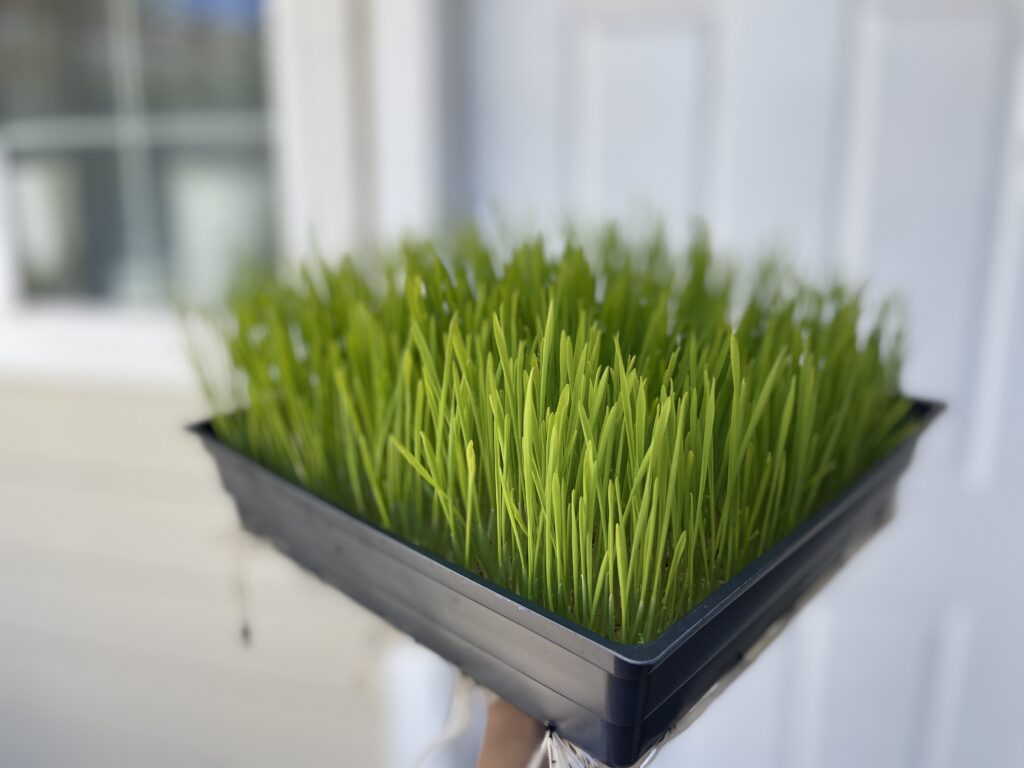
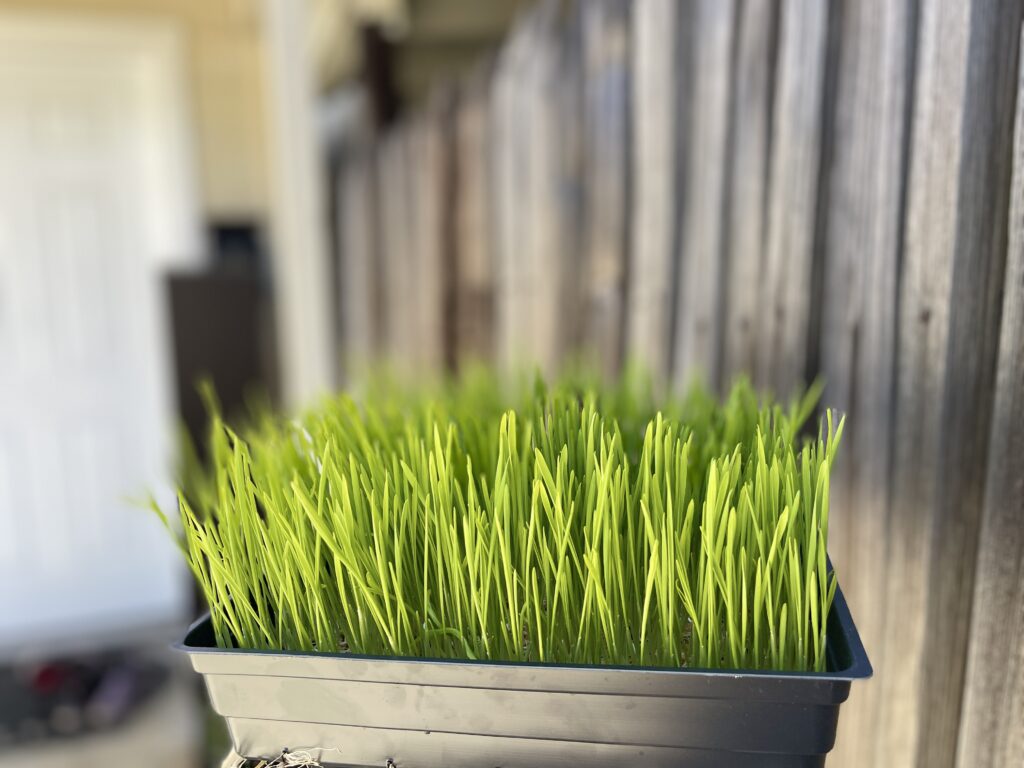
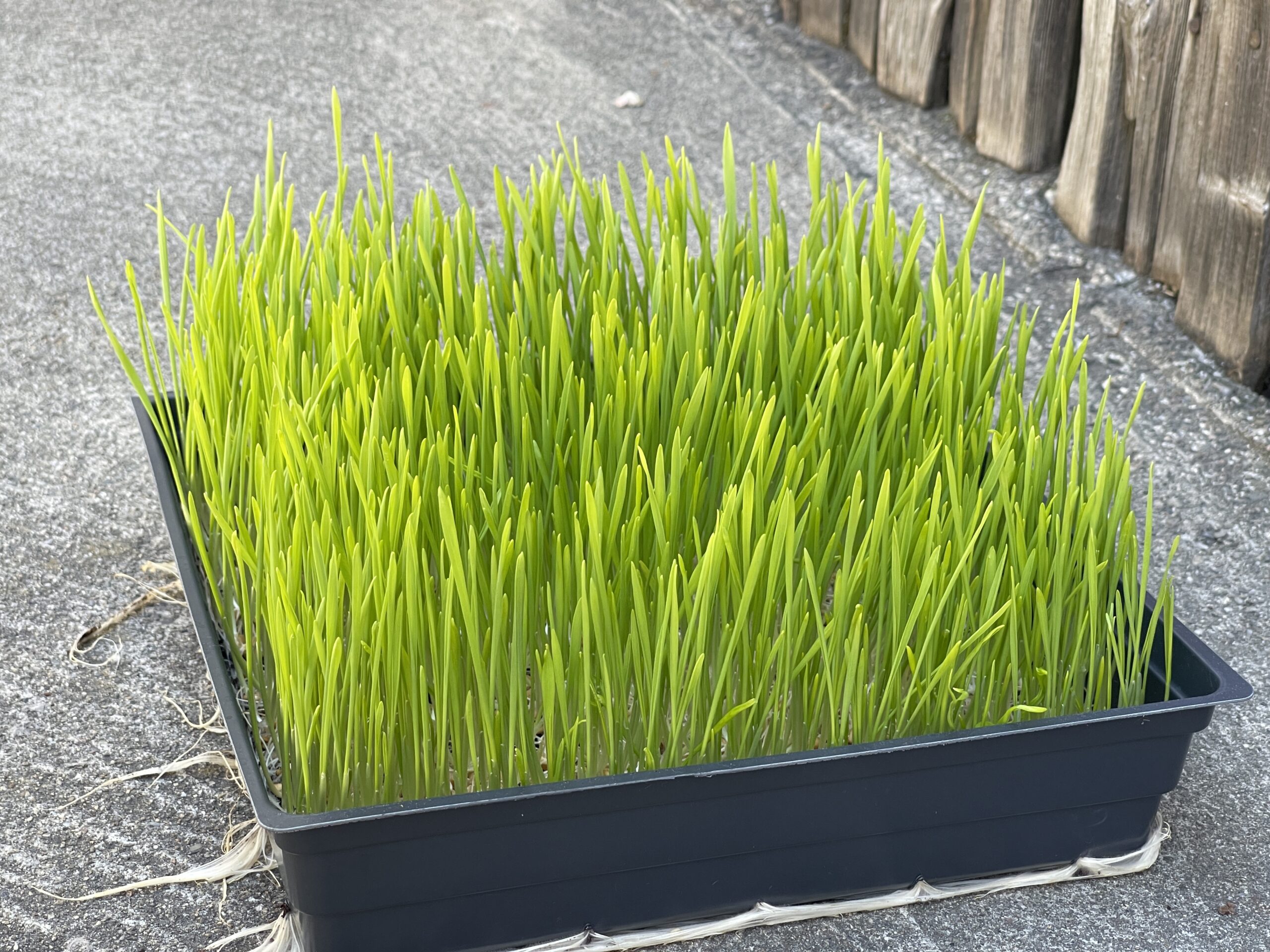
    Wheatgrass is a young shoot or freshly sprouted leaves of a common wheat ((Triticum aestivum) plant. Wheatgrass is gaining huge popularity nowadays and is believed to have numerous health benefits. Because of its popularity, its juice or powder is expensive. Thus, in this article, you will learn the step-by-step method of growing wheatgrass at home. If you are interested in knowing more about the nutritive and disease-fighting benefits of wheatgrass, you may click here.

    Getting the Right Wheatberries

    First and foremost, you should have wheat. If you have some at home, use it; otherwise, buy hard winter wheat berries.

    Get 2-3 trays with holes and another tray without holes. Usually we use 10 by 10-inch trays, but depending upon how much you want to grow, you can get bigger trays too.

    source soil. You can use soil from your garden or farmland if you have it. Otherwise, you can buy organic potting mix from your nearest store or online.

    Get a glass jar or steel jar with a perforated lid.

    The Best Temperature to Grow

    The best temperature for proper germination of wheatgrass is 15 degrees Celsius to 25 degrees Celsius. However, once it sprouts and grows ¼ inch to ½ inch longer, it can tolerate colder or hotter temperatures too. Make sure any covered wheatgrass trays have enough ventilation if the temperature is above 27 degrees Celsius to avoid mold or fungi from growing.

    Step One: Soaking (Day 1 Morning)

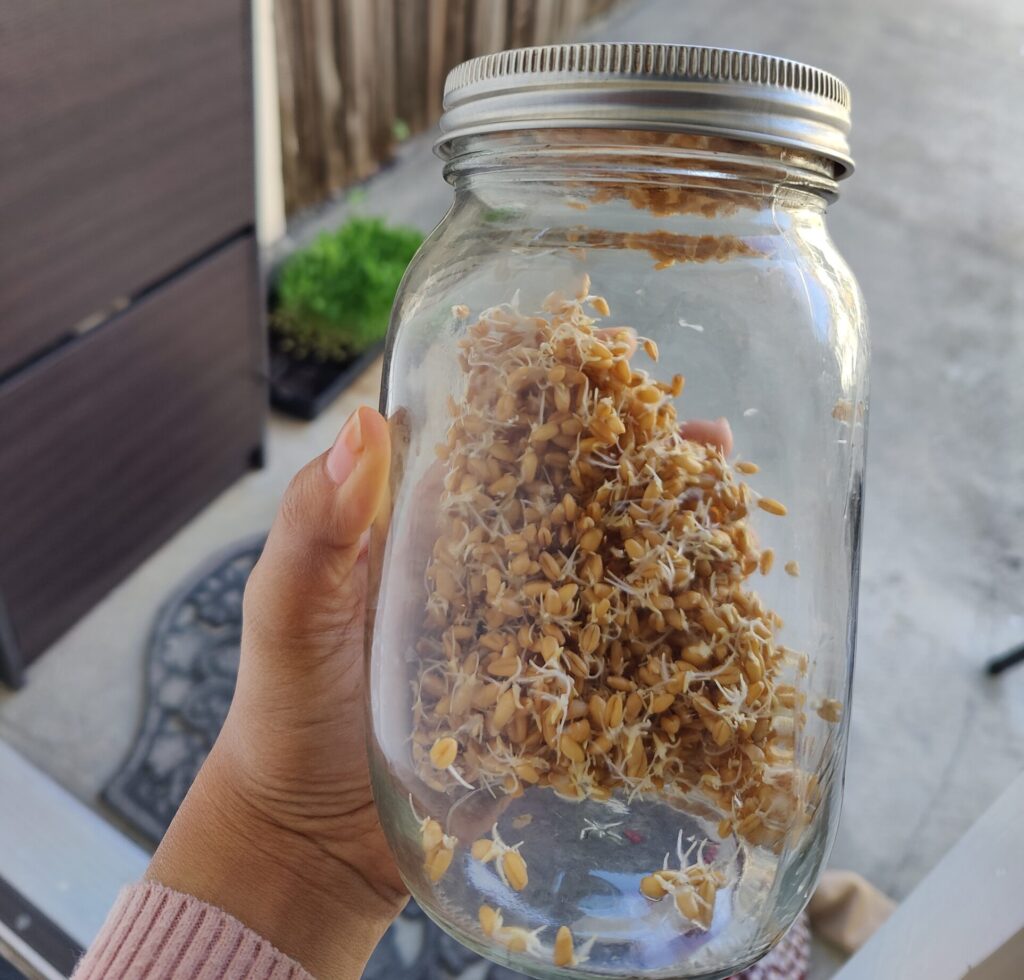
    After everything is ready, soak the wheatberries in normal temperature water in the glass jar. Start with 1/3 cup of wheatberries. After 8-9 hours of soaking, drain the water and place the glass jar at a 45-degree angle with the surface. This is important because it gives the wheatberries enough air circulation while also draining excess water. This way, wheatberries easily sprout.

    Day 1 Evening

    After 11–12 hours, rinse the berries in the jar, drain right away, and again place them in a similar way as before.

    Day 2 Morning

    After 11–12 hours, rinse again and repeat the process.

    Day 2 Evening

    Rinse again and repeat the process. By the end of day 2, wheatgrass has fully germinated and is ready to be put on the soil.

    Day 3 Morning

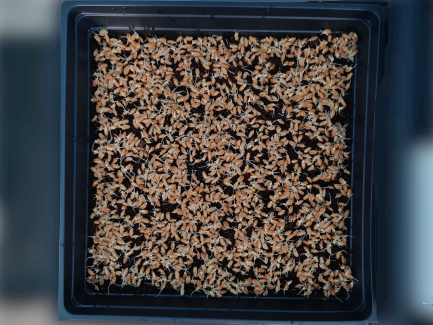
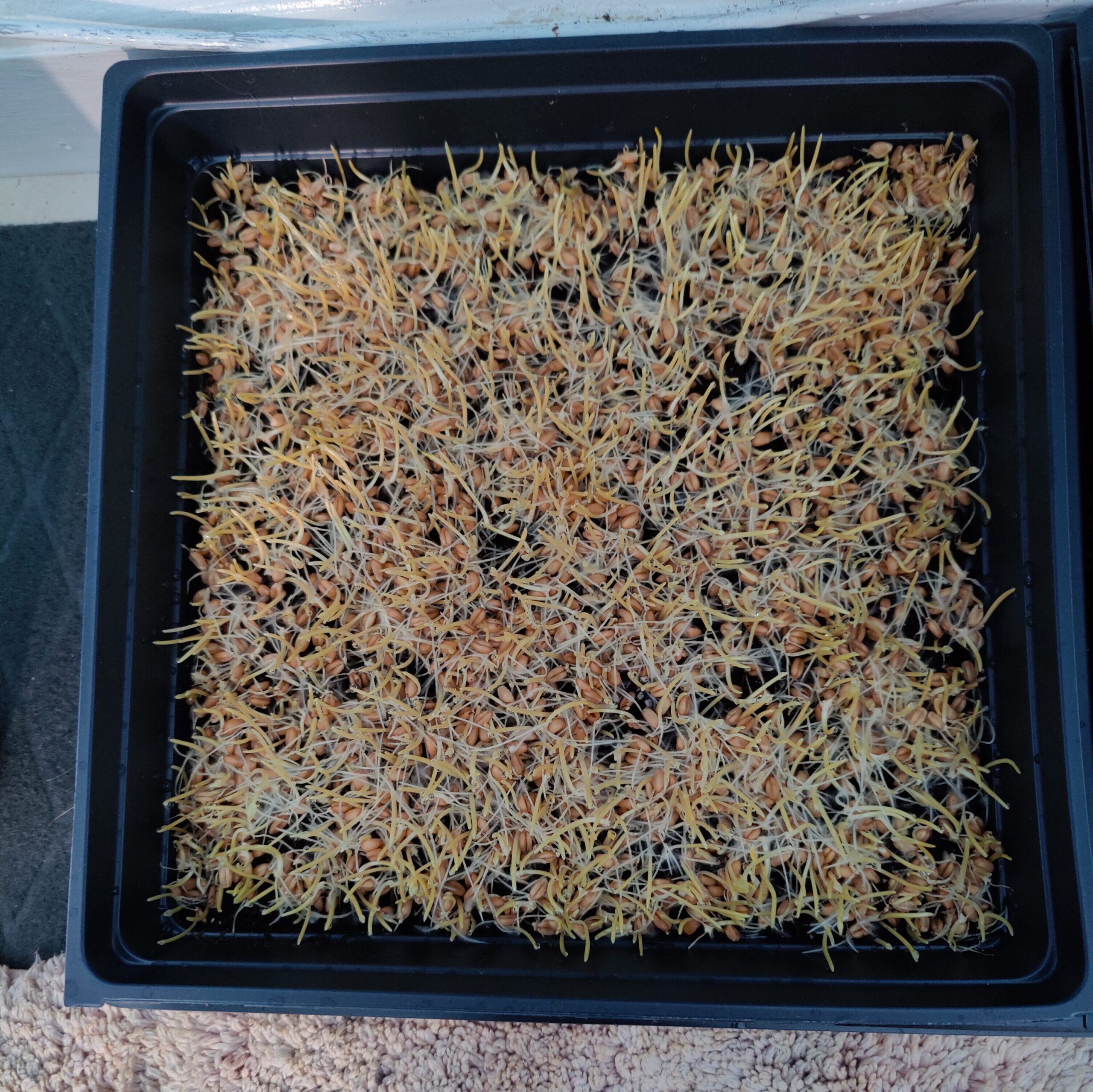
    Now, prepare the soil. First, place the tray without holes in the bottom, and then place the perforated tray on top of that. Then add soil about 1/2 inch thick. After that, take an empty tray (if you have extra) and lightly press down. You can do this with your hands too, but make sure you press lightly and evenly. This creates an equal surface and removes excess air. Heavily mist with water. Then lightly brush the germinated seed over the soil. Do not press into the soil. After this, mist lightly and put it somewhere in the corner. For 2-3 days, cover it with another tray for the first 2-3 days. After that, you can remove the cover tray. Make sure you place the tray neither in direct sunlight nor in a dark room. The room should have plenty of daylight but never direct sunlight.

    Next 6-7 days

    Mist with water twice a day for the next 6-7 days. Spray bottles are extremely handy for misting.

    Harvest

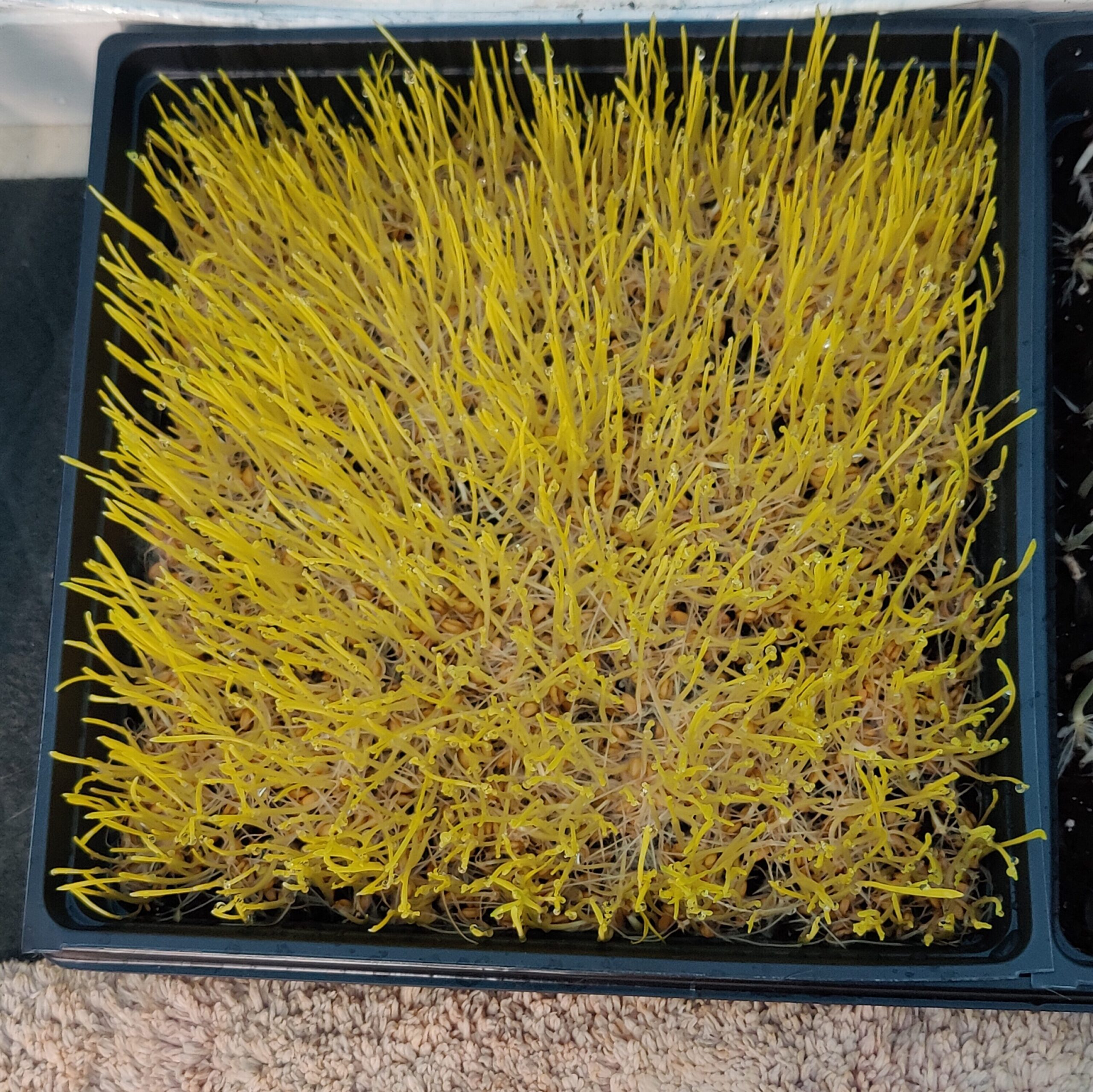
    This is the exciting stage. Your wheatgrass is ready to be harvested when it’s 6-7 days old. Harvest at the jointing stage. The jointing stage for wheatgrass is when it splits at the base of the plant. Usually, this happens when it is 7-8 inches tall. However, you can harvest it while it is only 6″ tall! Use scissors or a knife to cut in clumps just above the soil line. Juice it and take a shot!

    Storage

    It can also be stored in the refrigerator for up to five days. However, make sure the wheatgrass is dry. Dry wheatgrass keeps much better than wet. It’s better to keep it in a clean cotton bag to absorb excess humidity.

    Caution

    Add enough water. Underwatering causes yellow wheatgrass. Yellow wheatgrass can also be caused by poor light. Wheatgrass turns yellow and it can be weak and floppy. They’ll start to droop a bit if you’re underwatering. It also causes uneven growth. To avoid the problem of overwatering, we need to use a tray on the bottom, as mentioned above, so that the excess water is drained.

  • 6 Weight Loss Mistakes to Avoid

    6 Weight Loss Mistakes to Avoid

    Losing weight sometimes can be tiring, frustrating and rough. We might be thinking that we are doing all the right things and not getting the desired results. Here are 6 of the mistakes people make while losing weight.

    Falling for Short Term Gimmicks

    In today’s world, fitness is a multi-million-dollar business. Here, countless fad diets are promoted, and many false promises are sold. Fad diets continue to be incredibly prominent and popular in the area of weight control, regardless of their scientific foundation or lack thereof. However, to lose weight quickly, people often fall for such diets. Research shows that many fad diets are nutritionally imbalanced, with worse diet quality ratings, especially when macronutrient composition is prioritized above micronutrient consumption. Not just that, some fad diets are difficult to maintain owing to boredom, monotony, expense, and unsociable eating patterns, and consumers are blamed if they are unable to adapt to the fad diet’s excessive expectations, resulting in a decrease in self-esteem and body image (1) (2). Furthermore, people, who adhere to such fad diets frequently regain the weight (3). Sometimes they even gain more than they lose (4).

    Setting Unrealistic Goals

    Unrealistic goals simply mean goals that are difficult to attain or least doable. Moreover, they are mostly ‘will power’ focused. Many of us have done this mistake, right? One fine day, we feel like, “oh I am going to change, I will start doing this and that or not doing this and that”. When we set such goals, and could not fulfil, we will get disappointed. We feel like we cannot do anything, right? In the excitement, we set such goals, however it is crucial to assess your reality, possibilities and focus on taking small but long-lasting steps. Take assistance from health care professionals, they are there to support! Seek peer support! Make your environment as such that it encourages you to choose healthier lifestyle.

    Eliminating Entire Food Category

    Many popular diets ask us to eliminate some foods or food groups entirely! Unless there is a solid health or other reason to eliminate some foods or food groups, we should be eating every food groups. It’s also equally important that our eating pattern is culturally suitable. You may have heard some people saying, ‘Do not eat rice, it makes you fat.” Or ‘Do not eat peanuts, it has a lot of fat in it’ etc. Some people entirely remove gluten without having a solid reason. Well, there are many examples. While focusing on macronutrients such as carbohydrates, proteins, and fats, those people often ignore micronutrients. Most of them also do not honor hunger cues. Unlike what we often here in social media, neither carbohydrates nor fats are our enemies. A well balanced and proportionate meal including all macronutrients and micronutrients is absolutely possible and healthy too.

    Not Being Consistent

    The biggest mistake we make while losing weight is not being consistent. Take an example, if you are a student and you just study first month of your degree, will you get your degree? No, right? Why? Because there is no consistency. To be knowledgeable and get a degree, one should study during the whole year or years with consistency, need to complete assignments and appear to exams.

    One reason that we fail to be consistent with your actions is focusing too much on result. Often, we forget to enjoy the process and honor small growth steps. We tell ourselves that we aren’t very close to accomplishing our goals instead of reminding ourselves of the little wins we make each day. Thus, it is better to focus on one thing at a time and taking mini steps towards your goal. Identify the areas that you can do more. Take Professional Help! We can help you, if you would like. Here is the link: https://sataahar.com/services/

    Eating ‘Healthy Foods’ in Higher Quantities

    Undoubtedly, we should eat more of healthier options rather than nutrient poor foods. However, if we consume more than our needs (even the healthier foods), it is more likely that we still gain you extra kilos. We have seen many people categories foods as ‘healthy’ and ‘unhealthy’ and thinking that healthy foods are healthy no matter how much we eat, and unhealthy foods are unhealthy and should not be eaten at all. But that’s not the complete truth. Usually, minimally processed foods are healthier in many ways than processed foods. However, if we go too much with them, it will still affect your weight. This is because, foods rich in essential nutrients can still be calorie dense. For example, you eat white bread every day. Now you realized that ‘oh, I will eat whole wheat bread now on’. If you eat even that whole wheat bread in quantity that your body does not need, it is still going to contribute to your overall calorie. Thus, checking your portion size and being mindful are crucial.

    Too Much Stress

    Chronic stress is associated with plethora of diseases. It can significantly impact our ability to maintain a healthy weight. High level of stress fluctuates our hormones and alters many bodily processes.  Even if you are so much stressed about your weight loss, it affects your appetite, hormones and ultimately may become a barrier in your weight loss journey. Thus, take it easy! Do not stress too much.

    Takeaway

    Every mistake we have made in the past are the learning experiences we gathered. With those learning experiences, we can definitely move towards progress. Remember, there is no shortcut to health, neither to weight loss. Take professional help if necessary!

  • Role of Flax Seeds in Hypertension

    Role of Flax Seeds in Hypertension

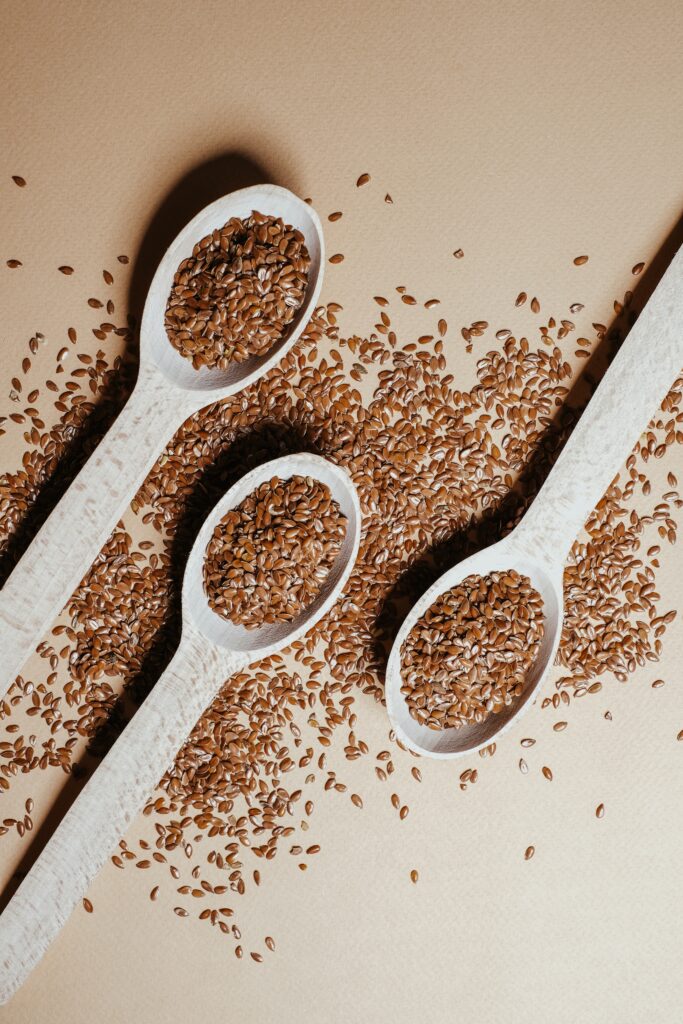
    Flax seed is the seed of the flax plant, an annual herbaceous plant, belonging to the flax family. The Latin name of flaxseed is Linum usitatissimum L. which means very useful. It has two basic varieties: brown and yellow or golden.

    One tablespoon-7g of ground flax seed contains 37 calories, 1.3g of protein, 3g of fat and 2g of carbohydrates. Almost all carbohydrate in flax seed is dietary fiber, so the net carbohydrate is only 0.1g. Of all fat in flaxseed (approximately 30%), 53% are α-linolenic acid (omega-3), 17% linoleic acid (omega-6), 19% oleic acid (omega-9), and remaining saturated fat, which provides an excellent omega 6: omega 3 fatty acid ratio of approximately 0.3:1. The omega 3 fatty acids (alpha linolenic acid) content of a tablespoon of ground flax seed is 1,597 mg which makes it one of the richest sources of omega-3 in plant-based food (1) (2).

    Because of these extraordinary components, it has gained huge popularity nowadays and often termed as ‘superfood’. Flax seeds have been used since centuries for several health conditions and has a huge role in traditional medicine. Besides its excellent nutritional profile, flax seed is also shown to have myriad of benefits in several disease and health conditions.

    One of which is, its role in hypertension.

    High blood pressure is a major health burden associated with the increased risks of heart, brain, kidney, and other diseases (3). A study* shows that patients who ingested a variety of foods that contained 30 g of milled flaxseed over 6 months were found to have decreased blood pressure as compared to group that did not consume flax seeds. The presence of omega 3 (ALA), lignans, fiber, peptides, or a synergistic action of all 4 components together are considered to be the reasons for decreased blood pressure (4). Consumption of flax seeds has shown to reduce high blood pressure in many other animal and human studies (5). Thus, consumption of flax seed can be a cost-effective way to reduce the burden of hypertension among risk groups.

    *Prospective, Double Blind, Placebo- Controlled, Randomized Trial

  • Is Green Tea the Secret to Lose Weight?

    Is Green Tea the Secret to Lose Weight?

    When it comes to weight loss drinks, the name of green tea comes first. Green tea is also considered one of the healthiest drinks as people have been drinking it for centuries. Let’s talk about whether green tea helps in weight loss or not, if it does, how ? 

    What actually is green tea?

    Tea comes in different varieties (green, black, white, and oolong), but all are derived from the same plant: Camellia sinensis. Green tea is prepared by steaming the leaves of the Camellia sinensis plant. It is not subjected to the same fermentation process as other forms of tea. So it retains its beneficial compounds.

    tea garden, natural, green-2692217.jpg

    Why is green tea beneficial?

    Major beneficial compounds in green tea are catechins and caffeine. 

    Catechins, a complex mixture of polyphenolic compounds found in Cameillia sinensis leaves, account for up to 30% of the dry weight and are thought to be responsible for the majority of green tea’s benefits. (Epigallocatechin-3-gallate (EGCG), the most prevalent catechin found in green tea, accounts for over 40% of the catechin mixture by weight. 

    Caffeine is also a naturally occurring compound found in many plants including tea leaves. Caffeine is a stimulant, meaning it increases the activity of our brain and nervous system. That is the reason why it is consumed all over the world to boost alertness.

    Both catechin and caffeine are reported to augment metabolism. Catechin can help to break down excess fat, while both catechin and caffeine can increase the amount of energy the body uses (1).

    Does consuming green tea actually make a difference?

    Let us dig into a few original and review research articles.

    Men who took green tea extract before exercising burnt 17 percent more fat than men who did not take the supplement, according to one study of 2008. Remember, they took green tea extract which is much more concentrated in terms of beneficial compounds than green tea. This suggests that consumption of green tea works better when one exercises (2).

    A more comprehensive review study* of 2012 reports that green tea did have a favorable effect on weight loss, but the effect was not substantial, and the authors considered that it was unlikely to be clinically relevant (3)

    According to another study of 2016, 12 weeks of treatment with high-dose green tea extract resulted in significant weight loss, reduced waist circumference, and a consistent decrease in total cholesterol  and LDL plasma levels without any side effects or adverse effects in women with central obesity (4)

    Another study of 2015 assessed the effect of green tea extract on fat absorption, resting energy expenditure, and body composition. Supplementation for 12 week in 60 men and women did not have a significant effect on any of the parameters assessed (5).

    So, until now, you may have noticed that results of the researches are inconsistent. And those with positive and significant results are usually are the ones using considerably high doses of green tea extract. Remember, green tea extract is a supplement derived from green tea (of course), which contains concentrated catechins and other compounds. Green tea extract supplements are reported to work, however high doses might have serious health impacts too. So, you really do not want to buy an extract and consume it without the suggestion of a doctor or nutrition expert.

    Takeaway

    Green tea has benefits, no doubt. However, when it comes to weight loss, it is not that significant. Drinking green tea without other strategies such as cutting calories and exercise is less likely to reduce body weight. To lose weight, consume green tea while also using other proven strategies such as cutting calories, avoiding ultra processed foods, regular exercise, stress reduction etc.

    *Review study refers to studies that summarize the existing literature on a topic in an attempt to describe the present state of understanding on the topic. 

  • Moringa Seed in Water Purification, Does it Work?

    Moringa Seed in Water Purification, Does it Work?

    Clean and readily available water is a basic human right. Target 6.1 of the Sustainable Development Goals also aims for universal and equitable access to clean and affordable drinking water.

    Having said that, many people especially the low-income groups still have difficulties in accessing sufficient clean and safe water. In the face of changing climate, the problem of poor availability of safe water is expected to increase. According to World Health Organization statistics as of March 2022, at least 2 billion people worldwide drink polluted feces-infected water. Microbiologically contaminated drinking water can spread diseases such as diarrhea, cholera, dysentery, typhoid, and polio, and it is estimated that 485 000 diarrheal diseases occur each year.

    What is Moringa (drumstick)?

    Moringa (M. oleifera), commonly known as drumstick, has gained huge popularity these days because of its versatile nature. Traditionally it has been used in herbal medicine in many parts of the world including India, Africa, and Nepal.

    It contains a wealth of beneficial nutrients in every part of the plant. The bark, pods, nuts, leaves, seeds, tubers, roots, and flowers of the Moringa tree are all edible (1). Minerals such as calcium, potassium, magnesium, zinc, iron, and copper are abundant in the leaves. Pods are also nutritious and are rich in dietary fiber and protein (2).

    Moringa Seed in Point of Use Water Purification

    Apart from Moringa’s nutritive and medicinal properties, it is being known as an excellent water purifying agent.

    Moringa seeds contain proteins that have active coagulation properties and are being used for turbidity removal in many countries.

    As a purifying agent, powder of dried moringa seed is used. When the seeds are dried, dehusked, and crushed, powder is obtained. When the powder is added to water, the powder acts as a coagulant binding colloidal particles and bacteria to form agglomerated particles (flocs), which settle allowing the clarified supernatant to be poured off. 

    The seeds of the Moringa family are very efficient water coagulants and are safe. Till now, no toxic side effects have not been noted.

    Does it really work?

    Yes. Let’s refer to a recent study published in 2020 in Scientific African Journal (3). The researcher collected river water and used moringa seed and copper wire to purify it. Copper is traditionally known to have antibacterial properties. By using moringa seed powder and soaking copper wire in water, clean water was obtained. They left the water for 4 hours to stay still and analyzed for turbidity and E. coli counts. In all treated samples, the turbidity level was between 3 and 5 NTU, and the E. coli count was Non-Detected (N.D), both of which were within the acceptable threshold for drinking water.

    Moringa seed alone can also be used to purify water of lakes and pools for other purposes. Dosage might vary according to the level of pollution in the water. It can provide alternative to current water purification agent such as chlorine

    As a Point–of–Use (PoU) method, it is remarkably useful in supplying drinking water as an immediate solution in disaster areas affected by floods, earthquake etc. In countries like Nepal, where drinking water supply is not accessible to all and where flood occurs every year, such method should be referred in detail and applied in emergency setting without having to need technical assistance or big budget.

    Takeaway

    Moringa seed extracts could probably be promising natural antibacterial agents with potential applications in controlling bacteria that cause waterborne bacterial diseases. Together with copper, it has a great potential to be an instant yet cheaper water purification solution in low-income and disaster affected areas.

    Theme picture credit: Bret From LovePik.com

  • What is Vegetarian, Vegan, Plant-based and Whole Food Plant Based Diet (eating)? Are These Same?

    What is Vegetarian, Vegan, Plant-based and Whole Food Plant Based Diet (eating)? Are These Same?

    Plant-based diet, vegan diet, vegetarian diet, whole food plant-based diet??? What are they all? Are these same? Are they different? Let’s find out!

    Vegetarian diet: Vegetarian diet are mainly categorized to two. Lacto ovo vegetarians and lacto vegetarians. Lacto-ovo vegetarians avoid meat and fish but include eggs and dairy in their diet whereas lactovegetarians avoid eggs. Vegetarian diet varies in terms of how much of plant foods it contains. Some people who eat dairy as major part of diet, and very little plant foods also count as vegetarians. So, it is just about what they exclude rather than what they include.

    Plant based diet: Diet that primarily comprises of foods coming from plant sources is called plant-based diet. Generally, it refers to diet containing 100% foods of plant sources; however, some people might include animal products sometimes and still call it plant based diet. This means, plant-based diet apart from whole and minimally processed food groups, also includes processed plant-based foods such as french fries and refined flours.

    Vegan diet: Vegan diet comes from the concept of veganism. Veganism, according to vegan society, is a philosophy and way of living which seeks to exclude—as far as is possible and practicable—all forms of exploitation of, and cruelty to, animals for food, clothing, or any other purpose; and by extension, promotes the development and use of animal-free alternatives for the benefit of animals, humans, and the environment. In dietary terms it denotes the practice of dispensing with all products derived wholly or partly from animals.” So, now you know what vegan diet means. In vegan diet, the motive is animal welfare. However, it is important to note that, these days, people have begun to adopt the vegan way of eating for reasons other than animal welfare (such as health and the environment), and the term “vegan diet” is now used to denote any diet that eliminates animal products, regardless of motive.

    Whole Food, plant-based diet: Whole foods are those which are mostly unprocessed and closest to its natural state. Plant based simply means the food come from plants and not animals. The food groups included are whole grains, legumes, fruits, vegetables and small quantities of nuts and seeds. WFPB is defined more by ‘what to include’ unlike vegan diet, which is defined more by what to exclude. WFPB has strong health ethos than ethical, however if you are following WFPB diets, you are already being ethical in terms of food at least. You may have seen some people who do not follow the philosophy of veganism but may eat whole food plant-based eating pattern. And yes, WFPB diets are more strict than vegan diet because processed food is kept to a minimum or avoided in WFPB. The table below might help you to find out what they are.

    PB WFPB Vegan
    Meat No No No
    Dairy No No No
    Eggs No No No
    Fish No No No
    Oils/margarines Yes No/Minimal Yes
    French fried Yes No Yes
    Deep fried plant foods Yes No Yes
    Refined flour, cakes Yes No Yes
    Other plant based processed foods Yes No Yes

    Takeaway: Vegetarian diet, vegan diet, plant-based diet and whole food plant-based diet are similar but differ in their approaches to nutrition, reasons to follow and foods to avoid.

  • Take Daily Dose of MEDS for Healthy and Happy Life

    Take Daily Dose of MEDS for Healthy and Happy Life

    MEDS? What is that? Is it a shortcut of Medicine? Which medicine or pills to take daily for a healthy and happy life? 

    No! MEDS is a simple approach for healthy and happy living coined by Satahaar: whole and mindful. To be honest, it is nothing fancy, complicated or difficult. It is actually a set of very simple, doable and science backed actions that we should follow to live a healthy and joyful life for ourselves and for others. 

    You have heard the quote ‘ prevention is better than cure’ right? You might also have heard the WHO definition of health. We take inspiration from these two in recommending daily doses of MEDS.

    First world M, here indicates mindfulness. Mindfulness has its origins in Eastern contemplative traditions and is frequently linked to the formal practice of mindfulness meditation. Mindfulness, on the other hand, is more than just meditation. It is an “inherently a condition of consciousness” that entails clear awareness of one’s present-moment to moment experience. Simply put, mindfulness is just being present.

    The modern world has a plethora of distractions. We check our phones countless times, we keep scrolling our social media and we do not even know what we are looking for. Even when we go to the toilet, we carry our phone and sit in the toilet for half an hour. We need constant stimulation and these devices and technologies that make us accessible are one of the big reasons why we are easily distracted and interrupted every second. Furthermore, the modern culture of multitasking, heavy consumerism, accumulation of possessions, desire for ever-growing wealth etc. are all taking a toll on our mental, physical and social health.

    Mindfulness while eating, listening to others, cooking, cleaning, driving, observing, reading, to be honest, mindfulness in everyday mundane activities of life makes our life less stressful, happy and content. 

    Mindfulness also helps to be more empathetic and observe what is going on around you, and view things holistically. This ultimately helps the whole planetary and social environment. 

    Thus, we urge you to be mindful in your actions, in your activities. Since, mindfulness promotes better performance, learning and overall health (1) , it should be your daily dose of MEDS. 

    Photo credit: Anna Tarazevich, Pixel photo
    Photo credit: Tima Miroshnichenko, Pixel photo

    Another pill of action we should take daily is exercise. There are countless studies and trials demonstrating benefits of regular exercise. A study says that ‘exercise is so effective that it should be considered as a drug’ (2). And yes, there is no one size fits all approach when it comes to exercise but regular moderate exercise is highly beneficial for everyone. For people, whose work demands more physical labor most of the time in a day, may not require much exercise, but for most of us, exercise should be in our top priority. When we think of exercise, we may think of running, jogging, skipping, weight training and so on. Yes, they are also some forms of exercise, however exercise is much more than that. It involves walking, doing household chores, stretching, cycling and walking on stairs too. Although a good combination of cardio and weight training is usually recommended by health professionals, it does not have to be perfect. Start small and take further steps. Do not sit at home in one place, keep moving, keep stretching, walk more, ride your bicycle more, do your household chores as much as you can. Simply be more active in daily life.

    “Exercise is so effective that it should be considered as a drug.”

    Vina, J., Sanchis‐Gomar, F., Martinez‐Bello, V., & Gomez‐Cabrera, M. C. (2012).

    Doing exercise one in a blue moon may not help. Of course it’s better than nothing but to get long term health benefits, it has to be a part of your life. We really need to find a way that makes our exercise enjoyable and long term.

    So, are you up for this behavior change?

    Photo credit: Ella Olsson, Pixel photo

    Another daily pill is diet- a diet or an eating pattern that is balanced, minimally processed and predominantly plant based if not fully. You might be aware of the fact that cardiovascular diseases, cancer, chronic respiratory diseases, diabetes, obesity, and cognitive impairment are among the world’s major causes of death and disability, impacting people in both developed and developing countries. You might be surprised, in diseases such as anxiety and depression, not just medication or counseling help, choices of your food also matters. 

    Accumulated medical evidence shows that a whole food plant based diet (WFPB) is by far the healthiest diet that supports gut health, brain health, cardiovascular health and protects from diverse diseases. This eating pattern is not just healthy but also environmentally friendly (3) (4) (5) (6) (7).

    To summarize, diet is one of the major modifiable risk factors for our health and wellbeing. It is not complicated, it is doable and it is in our hands. Let’s do it together! 

    Well, last but not the least, sleep and stress management are equally important. These are two areas which do not get attention as they deserve. Do you know stress is one of the top causes of a variety of diseases? Well, yes research estimates that as much as 90 percent of illness and disease is stress related (8).

    Today, we’re trying to do too much, too fast. We are constant social media checkers, we have fear of missing out and huge socioeconomic and beauty standards that we want to meet. To be honest, I feel like we are buying problems with our hard earned money. This fast paced life with a dream to be more productive each day has taken a toll on our mental health and thereby causing stress all along. This has negatively impacted our sleep quality and duration while shooting up our stress level.

    Short sleep duration, defined as sleeping less than 7 hours per night, has been linked to cognitive performance issues (9). Studies show that short sleep has also been linked to an increased risk of weight gain and a higher BMI (10) (11).

    If we look at the growing body of research, there might not be any areas which do not get affected by poor sleep.

    Photo credit: Cottonbro, Pixel photo

    Stress is a part of life. At some point or the other, everyone experiences stress and it is not harmful if it’s short lived. 

    I remember watching a video that randomly appeared on my Facebook feed a few years back. That video showed how stress is just like holding a glass of water with our hands. If you hold it for a while, it’s nothing. However, if you hold for hours and hours, it weakens your hands, it makes you powerless and exhausted.

    Many diseases are caused or perpetuated  by stress, especially if it is severe and prolonged and it affects virtually every part of our body (12).

    Thus, we request each one of you to remember that ‘we are human’. We cannot be perfect. We cannot have endless productivity. So, stressing out and sleeping less is not worth it. 

    Summary: The bottom line is that everything here is interconnected. To be healthy and fit, we need to follow healthy eating practices, be physically active, be mindful in our actions and in relationships, sleep enough and reduce our stress levels. We do not need to be at the mercy of our genetic make up because we CAN choose to alter them/not trigger thereby having control over our lifestyle. 

  • Iron in Plant Based Diet

    Iron in Plant Based Diet

    Iron is an essential mineral needed for all organisms. 

    Why is iron important?

    Most of the body’s iron is found in the red blood cells of our blood called hemoglobin and in muscle cells called myoglobin. Hemoglobin is essential for transferring oxygen in our blood from the lungs to the tissues whereas myoglobin receives, stores, transports and releases oxygen. Besides, iron takes part in immunity function, brain development and energy production as iron is a part of several enzymes in our body. In short, iron is necessary for our blood, necessary for stronger immunity, necessary for good brain function. 

    Iron is stored in the body as ferritin (in the liver, spleen, muscle tissue, and bone marrow) and is delivered throughout the body by transferrin (a protein in blood that binds to iron). Iron has several important functions in our body.

    What happens if we are deficient in iron?

    Risk of iron deficiency anemia, dry and damaged skin, and hair, decreased memory, impaired learning and concentration increases. Impaired immune function, decreased aerobic sports performance, decreased work productivity, fatigue, weakness, adverse pregnancy outcomes, increased risk of low birth weight and maternal morbidity, infant motor, and mental function delay are some consequences. Severe iron deficiency might raise your chances of developing heart or lung problems, such as tachycardia (abnormally fast heartbeat) or heart failure.

    Iron requirement

    A healthy man needs 8 mg of iron per day whereas the amount is 18 mg per day for women on an average. For a vegan, requirement is higher up to 1.8 times. This is because heme iron from animal-based sources such as meat and fish are better absorbed (12-15%) than nonheme iron from plant-based foods. Below is listed daily iron need for different age groups. In case of Nepal, our traditional practices include soaking legumes, sprouting, and fermenting and combining legumes with lemon. Thus, based on our current practice, we have assumed that the bioavailability of iron is 10% and the recommended dietary allowance is provided on this basis (1).

    Age Recommended nutrient intake (mg/day)
    Children
    1-3 years 5.8
    4-6 years 6.3
    6-10 years 8.9
    Adolescents and Adults
    Male, 11-14 years 14.6
    Male, 15-17 years 18.8
    Male, 18+ years 13.7
    Female, 11-14 years 14 (before menstruation)
    Female, 15-17 years 32
    Female, 18+ years 29.4
    Post-menopausal 11.3
    Lactating 15

    Sources of iron

    There are two types of iron found in our foods. 

    1. Heme iron: Found in animal-based products 2. Non heme iron: Found in plant-based products 

    All plant-based sources of iron are non heme iron which are little bit difficult to be absorbed by the body as compared to heme iron. However, if your diet contains diverse plant based whole foods, you are unlikely to have iron deficiency. Sometimes, because of other underlying medical conditions or heavy menstrual flow, you might have low iron level irrespective of your iron intake sources.

    All types of legumes like lentils, mung bean, cowpea, kidney beans, black beans etc (increased absorption if soaked for at least 4 to 6 hours and cooked), soybeans and soybean-based products like tofu, green leafy vegetables like variety of spinach broccoli, whole grains such as millet and quinoa, pumpkin seeds etc. The foods listed below have highest iron content, among others.

    Grains

    Amaranth (5.2 mg per 1 cup cooked)

    Rolled Oates (3.4 mg per 1 cup cooked)

    Quinoa (2.8 mg per 1 cup cooked)

    Legumes

    Lentils (6.6 mg per 1 cup cooked)

    White, Lima, Navy, Red Kidney Bean (4.4-6.6 mg per 1 cup cooked)

    Blacked eyed bean (4.6-5.2 mg per 1 cup cooked)

    Chickpea (4.6-5.2 mg per 1 cup cooked)

    Edamame (green soybean): (3.5 mg per 1 cup cooked)

    Tofu, Firm, Raw (3.4 mg per 0.5 cup-126g)

    Nuts and Seeds

    Sesame seeds (4.1 mg per 1 ounce-28g)

    Pumpkin seeds (2.5 mg per 1 ounce-28g)

    Ground flax seeds (1.8 mg per 30 gram)

    Veggies

    Spinach Cooked (6.4mg per 1 cup cooked)

    Mustard Greens (2.56 mg per 1 cup cooked)

    Pumpkin leaves (2.27mg per 1 cup cooked-71g)

    Brussels sprouts (1.23 mg per 1 cup raw-88g)

    Tips for better absorption

    1. Eat iron rich foods with vitamin C rich foods: Foods that contain Vitamin C increase the body’s ability to absorb iron. Examples of vitamin C-rich foods include citrus fruit such as lemons, oranges, limes, grapefruit, kiwis, strawberries, capsicums, potatoes, broccoli, and dark green leafy vegetables. 
    2. Soak legumes at least 4 to 6 hours before cooking. This helps to reduces mineral inhibitors like phytates which are common in plant-based food sources.

    Iron need in Pregnancy 

    Iron is vital for pregnant women and her fetus. On an average, a pregnant mother needs 1000 mg of additional iron than normal ones. Iron deficiency anemia in pregnancy may lead to two to three times increased risk of preterm delivery and low birth weight. Thus, usually iron supplement is prescribed to pregnant women as there is increased absorption and higher need of iron in them.

    Things to take care if you are taking iron supplements

    1. Avoid calcium rich foods such as milk at least one or two hours before or after taking the pill 
    2. Avoid caffeinated drinks like soda, tea, coffee etc while taking meals or eating pills 3. Take supplements in empty stomach or after 2 or more hours of eating meals 

    Takeaway

    It is absolutely possible to get sufficient iron form plant-based diet. Include soaked legumes in your regular diet and utilize methods to improve absorption as mentioned above.

    References 

    https://www.ncbi.nlm.nih.gov/pmc/articles/PMC3999603/

    https://econtent.hogrefe.com/doi/abs/10.1024/0300-9831.74.6.403 https://www.nal.usda.gov/sites/default/files/fnic_uploads/RDA_AI_vitamins_elements.pdf