Author: sataahar

  • What is Yoga? Yoga Basics and Short History

    What is Yoga? Yoga Basics and Short History

    Oh Yoga! Exciting poses ! Well, let us dig deeper! Stereotypically, we think that holding seemingly impossible body poses and stretching as Yoga. Yoga which we refer in everyday conversation is rather different from its original meaning. That certainly can be a foundation of Yoga, but it means much more than that. Yoga does contain stretches and exercises, but it also incorporates meditation, chanting, prayer, breath work, and a variety of other practices.

    Yoga word came from Sanskrit language, and it literally means ‘union’. The ultimate goal of practicing yoga is to attain a level of consciousness where you can experience everything as one. Yoga simply means being in perfect tune with the universe, being one with everything in the existence. But not all of us pursues that ultimate goal when we do Yoga.

    Some of us do Yoga just as a part of physical exercise, a stretch before a workout, as a religious practice etc. However we do yoga, all we ever wanted is the stability in our body, mind and emotion. With the practice of yoga, our body and mind can be kept at the highest possible level of awareness and capability.

    A woman during her yoga session

    Let us know a bit about the history of Yoga

    Yoga originally started in ancient India among Hindu culture. Yoga was first mentioned in Rig Veda and Upanishads around 5th century BC. The first and most comprehensive text on Yoga was ‘Yoga Sutras of Patanjali’ appeared around First century. It has spread around world in many different forms across the various languages and cultures. There are many different traditional and modern methods of yoga in Hinduism, Buddhism and Jainism. It has gone through a series of changes and modifications since its inception. Sadly, modern yoga barely carries the essence of the ancient original yoga.

    A yogi doing a pose in yoga session

    Yoga in the western world means modern forms of Hatha Yoga and posture based physical fitness, stress-relief, and relaxation techniques. Modern yoga focuses on poses designed to stimulate inner peace and physical energy. In ancient yoga, fitness was not the major focus, instead, improving mental focus and boosting spiritual energy were emphasized.

    If you like to read more…

    Yoga: Its Origin, History and Development. (2016). Mea.gov.in. https://www.mea.gov.in/in-focus-article.htm?25096/Yoga+Its+Origin+History+and+Development

    White, D. (n.d.). Yoga, Brief History of an idea. http://assets.press.princeton.edu/chapters/i9565.pdf

  • How to Prepare Mung Bean Cabbage Salad?

    How to Prepare Mung Bean Cabbage Salad?

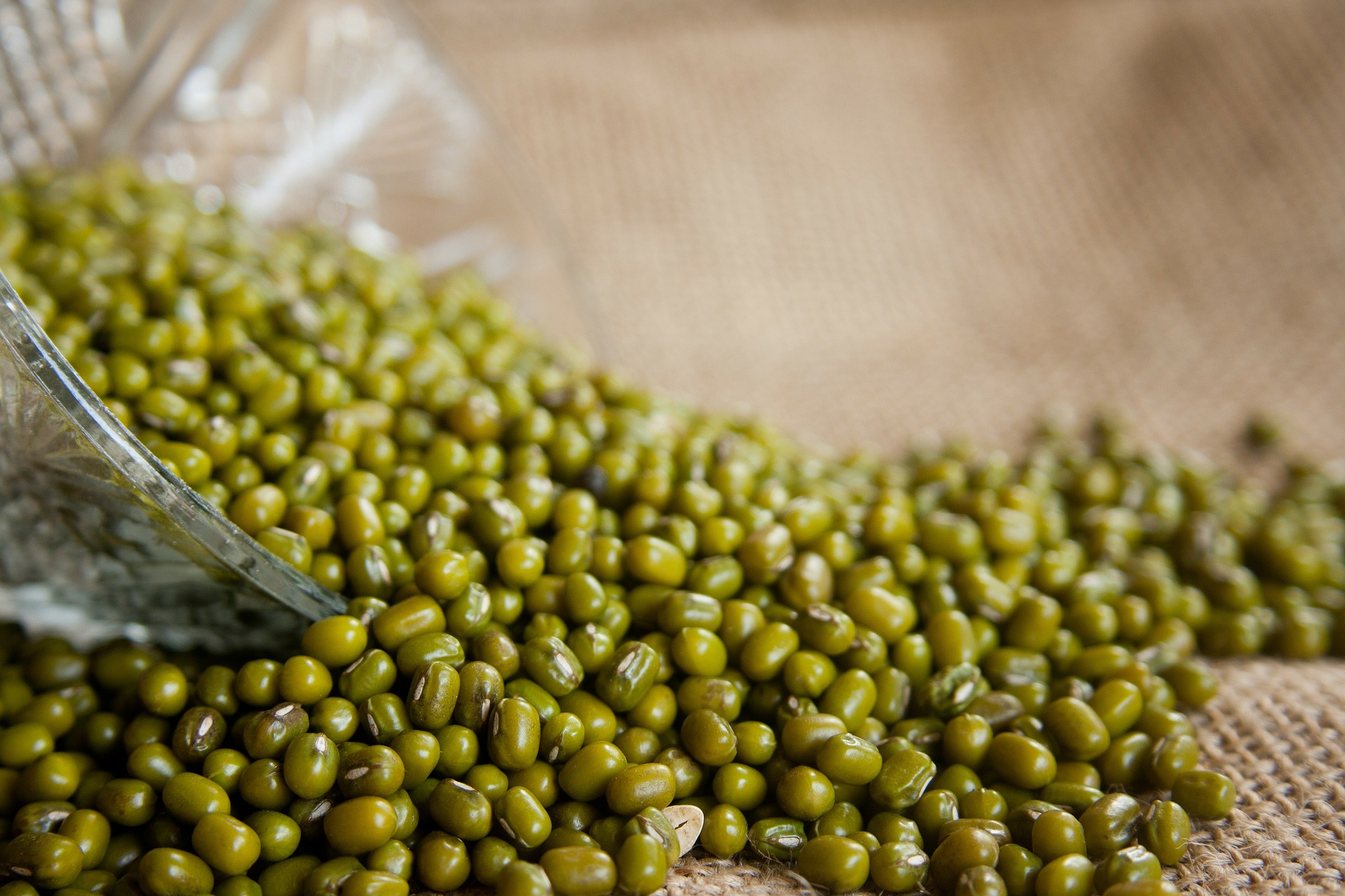
    Mung bean is a protein and dietary fiber rich food. It is widely popular in south Asian countries like Nepal. Be it as regular Daal or during sickness as Khichadi, we consume decorticated (splitted) mung bean on a regular basis.

    Nutritional content of about 100g of whole mung bean seed (soaked for 12 hours) is given below (1). Soaking reduces compounds that inhibit absorption of protein and minerals in our intestine. When you soak mung bean, or any bean, the minerals such as iron, zinc etc. are well absorbed in our body. If you could used germinated one, it is even better. 

    Protein: 27g, Dietary fiber: 4.5g, Carbohydrates: 63.4g, Fat: 1.83g

    Calcium: 81 mg, Iron: 8.4 mg, Phosphorous: 381 mg, Magnesium: 49.9 mg

    How to make mung bean salad?

    Ingredients: Whole mung bean, cabbage, coriander leaves, onion, green chili, lemon, salt

    The day before

    1. Soak around 2 tablespoon (26g) overnight
    2. Steam a small potato (you can do this in the morning too)

    The day

    1. Decant excess water in the morning and wash once with clean water 
    2. Cut about cabbage in small pieces (1 cup)
    3. Cut the steamed potato in small pieces
    4. Cut a little bit of fresh coriander leaves, a green chili, a small red/white onion into small pieces
    5. Add two tablespoon of grounded sesame seed (white or black)
    6. Add 2 teaspoon of lemon juice and a pinch of salt as your taste (not too much)
    7. Mix well the whole thing
    8. Top it with 15-20 Pumpkin seed if you like. Mung bean cabbage salad is ready.

    You can have it as your post workout meal, as a dinner or whenever like. If your workout is heavy, increase the amount of mung bean a bit and also add pumpkin seed on the top.

  • What is Gundruk? How to Prepare it?

    What is Gundruk? How to Prepare it?

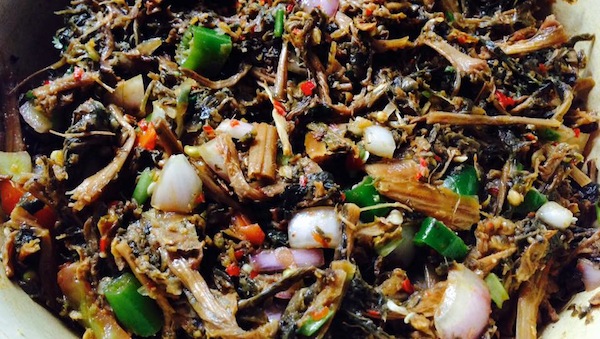
    Gundruk is a non-salted fermented green leafy vegetable product made from the fresh leaves of native Nepali vegetables such as Rayo saag (Brassica campestris), mustard leaves (Brassica juncea), and cauliflower leaves (Brassica oleracea). Although gundruk is dry, it is similar to other wet fermented vegetable cuisines such as Korean kimchi and German sauerkraut (1). 

    To prepare gundruk, we should follow following steps.

    1. Fresh leaves of local vegetables called Rayoko saag, Toriko saag and cauliflower leaves are wilted in sun for 1-2 days.
    2. Then they are shredded and crushed. 
    3. After that they are squeezed tightly into an airtight earthen container or glass jar, to provide anaerobic environment. The container is then kept warm and let it naturally ferment for about 10 days. It is spontaneous lactic acid fermentation. 
    4. At last, fermented gundruk is allowed to dry in sun for 3–4 days before consumption 

    Gundruk can be preserved for 2 years at room temperature. Lb. fermentumLb. plantarumLb. caseiLb. casei subspecies pseudoplantarum, and P. pentosaceus have been isolated from gundruk which are beneficial for our body and act as probiotics* (2). (yo link lai hyperlink ma rakhnu la) Lactic acid bacteria not only protect food from spoilage but also improve the organoleptic properties of the food. Gundruk is highly nutritious.

    How to eat Gundruk?

    1. As a freshly made Achar (add gundruk, onion, oil, salt, fried fenugreek seed, lemon juice and mix)
    2. Prepare as a curry (add dry soybean, tomato and Gundruk and cook as a curry to make gravy or soup)

    *Probiotics are living microorganisms such as bacteria and/or yeasts that exert several health benefits such as improving digestive health when consumed in adequate amounts.

    Gundruk has antimicrobial and anticarcinogenic properties. It works as a good appetizer. Benefits of Gundruk include increaseing digestion and absorption of nutrients, helps to cure diarrhea and constipation and boosts immunity. It is also a good for lactating women as it is known to aid milk production during lactation.

    Besides nutritional and disease related benefits, Gundruk has other benefits too. When in season, rape leaves, mustard leaves and cauliflower leaves may have higher supply than demand. Because these foods are perishable, it may go waste if we do not utilize it. Gundruk making saves these foods and provides good dietary diversity. It also promotes food security especially in areas where fresh green vegetables are not available all year round. Preparing Gundruk is cheap and energy efficient and can be a good source of income as well.

  • Selenium in Plant Based Diet

    Selenium in Plant Based Diet

    Selenium is an essential trace mineral. It aids in the formation of beneficial antioxidants that can prevent damage to cells and tissues and plays a variety of vital roles in the immune system, thyroid function, and reproduction in the body.

    Is selenium a concern in plant-based diet?

    A plant-based diet can easily provide and fulfill requirements of selenium. Some people who have gastrointestinal issues, HIV or receiving dialysis, its absorption can be ruined. It holds true for all regardless of type of their diet (vegan or nonvegan).

    Requirement of Selenium

    The Recommended Dietary Allowance (RDA) for adults aged 19 and above is 55 micrograms per day. Pregnant and breastfeeding women require around 60 and 70 micrograms per day, respectively.

    Age group Selenium requirement (mcg/day)
    Infants (0-6 months) 15
    Children (9-13 years) 40
    Adolescent (10-18 years)
    Male 55
    Female 55
    Adult (19 and above years)
    Male 55
    Female 55
    Pregnant 60 
    Lactating 70 

    Sources of Selenium in Plant Based Diet

    The quantity of selenium in a specific type of plant-based food is determined by the amount of selenium in the soil as well as a number of other parameters such as soil pH, organic matter content, and whether the selenium is in a form that plants can absorb. 

    Grains

    Cooked long grain brown rice (1 cup): 19 mcg

    Whole wheat pasta (1 cup cooked): 42 mcg

    Whole wheat bread (1 slice): 13 mcg

    Nuts and Seeds

    Brazil nuts 1 ounce (6-8 nuts): 544 mcg

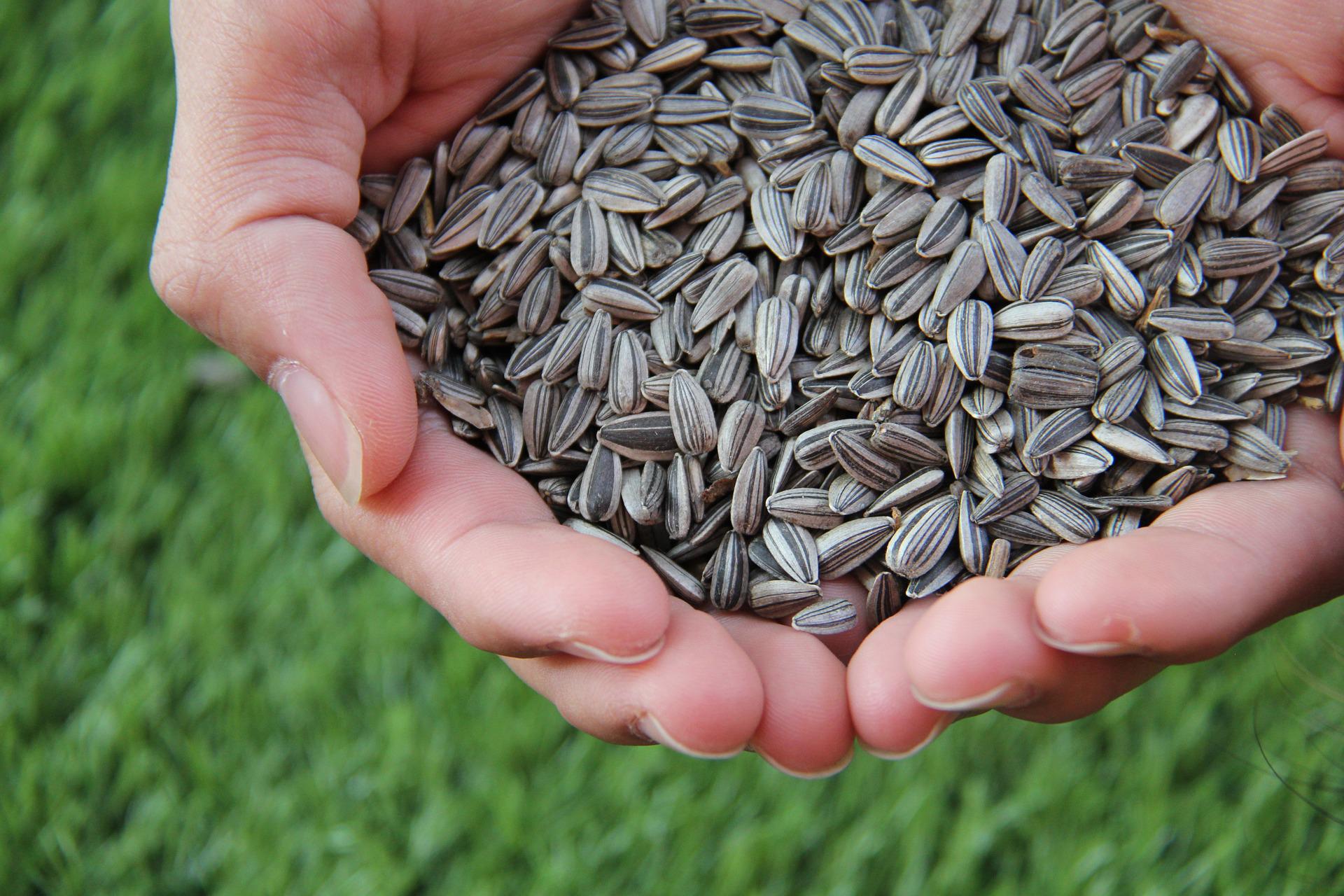
    Sunflower seed (1 ounce dry roasted): 23 mcg

    Sunflower seed butter (2 tbsp): 33 mcg

    Vegetables

    Spinach cooked (1 cup): 11 mcg

    Amaranth leaves cooked (1 cup): 1.2 mcg

    Banana (1 large ripe): 2.5 mcg

    Legumes

    Cooked Lentils (1 cup): 6 mcg

    Kidney bean (1 cup cooked): 2 mcg

    Chickpea Cooked (1 cup): 6 mcg

    Takeaway: Whole food plant-based doubt easily fulfills the selenium need. Even if you take few numbers of Brazil nuts alone weekly it is going to be enough. Our regular food such as brown rice, whole wheat etc. provide good amounts of selenium.

  • Khalpi, a Traditional Nepali Food

    Khalpi, a Traditional Nepali Food

    What is Khalpi?

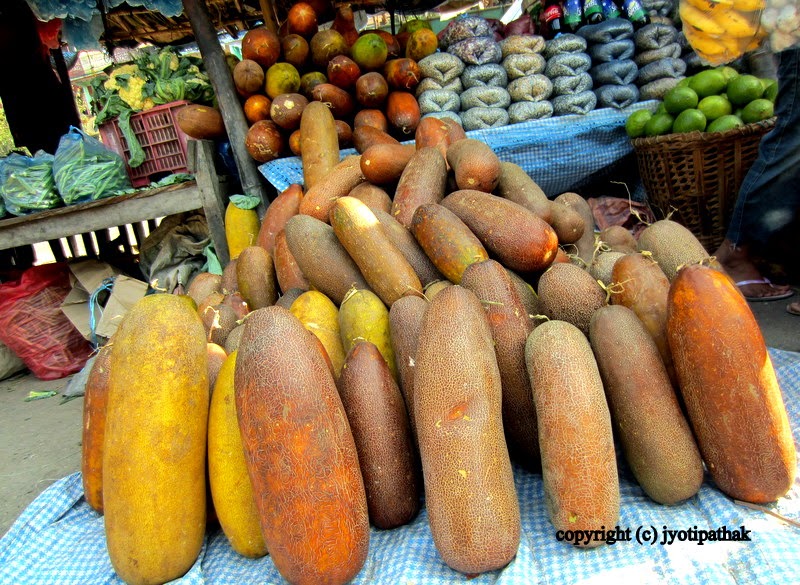
    Khalpi is a traditional fermented Nepali pickle. The major raw material used is matured, ripe cucumber. The cucumber used for preparing Khalpi usually has brown outer layer and is bigger in size.

    Benefits of Khalpi

    Khalpi increases digestion and absorption of food and known to be a good appetizer. In Khalpi fermentation, initially, Leuconostoc fallaxL. brevis, and Pediococcus pentosaceus are active and later dominated by L. plantarum.  These are all good bacteria which are also known as probiotics. Probiotics are combination of live beneficial bacteria and/or yeasts that are known to exert many health benefits. Khalpi has antimicrobial properties and is also beneficial in diarrhea and constipation.

    Economic and Environmental Value of Khalpi

    During the season of cucumber, the supply may be higher than demand. Because it is a water rich food, it is highly perishable just as any other green vegetables. If we ferment such excess cucumber, which would otherwise be wasted, it preserves the food and reduces food waste. Reducing food waste has several environmental benefits.

    Fermentation of cucumber also gives new texture, flavor, and aroma to the food. It adds another healthy add on to our regular diet.

    Cucumber fermentation is efficient as the fermented cucumber do not require cold preservation and thus requires less energy. This is also because, Khalpi preparation is suitable for small scale as well. 

    How to Prepare Khalpi?

    There are two popular ways to prepare Khalpi. 

    First, mature, and ripened cucumbers are cut into definite sizes and the inner part is removed. Then, it is sundried for 2 days. They are then put into bamboo vessels called dhungroo and sealed. Fermentation is allowed to take place for 4 to 7 days at room temperature. The product can be stored for about a week in an airtight container. The Khalpi pickle is done preparing after mixing with mustard oil, chilies, and salt.

    Another method, the cucumber is washed; sliced lengthwise; the inner soft portion removed; cut into pieces (5–8 cm); mixed with rapeseed powder, red chili powder, turmeric powder, and salt; and heated with mustard oil. The mixture is transferred to an earthen or glass pot, covered with cloth or lid, and allowed to ferment 3 days before the Khalpi is ready for use. It is preferred to eat for 3-5 days. It can be stored in room temperature and eaten within 7 days.

  • Zinc in Plant Based Diet

    Zinc in Plant Based Diet

    Zinc is a trace mineral abundantly distributed throughout all body tissues and fluids, and second only to iron among trace elements in the body. It is one of the other 16 essential micronutrients needed to perform several functions in our body.

    Why is zinc important?

    Zinc participates in all major biochemical pathways and plays multiple roles in the perpetuation of genetic material, including transcription of DNA, translation of RNA, and ultimately cellular division. More than 100 specific enzymes require zinc for their catalytic function. Other functions of zinc are protein synthesis, wound healing, growth and development, male fertility (1).

    What happens if we do not have sufficient zinc level?

    Impaired growth, loss of appetite, and poor immunological function, reduced immunity, impaired taste acuity, and poor wound healing are all symptoms of mild and marginal zinc deficiency. Hair loss, diarrhea, reduced sexual function, and skin lesions are all possible side effects in extreme deficiency cases. Too much zinc, on the other hand, can cause nausea, vomiting, abdominal cramping, headaches, and diarrhea. Poor absorption and/or increased physiological demand during infancy, childhood, pregnancy, and breastfeeding are among the causes of primary zinc insufficiency.

    Is zinc a concern in plant-based diet?

    Though meat, fish and poultry are major source of zinc in an omnivorous diet, several plant-based foods also contain good amount of zinc. However, bioavailability of zinc is comparatively low in plant-based diet especially because plants contain considerable amounts of phytic acid. Phytic acid inhibits zinc and iron absorption in our body. Also, zinc can compete with calcium, copper, iron, and magnesium for absorption especially if you take supplements. But this holds true for non-vegans too.

    Bioavailability is proportion of an ingested nutrient that is absorbed and utilized by body. But do not worry! A well-planned plant-based diet can provide adequate amounts of zinc from plant sources. Studies show vegetarians have similar serum zinc concentrations to, and no greater risk of zinc deficiency than, non-vegetarians (despite differences in zinc intake) (2). There are simple and easy ways to improve bioavailability of zinc from plant-based diet as well.

    Requirement of Zinc

    To an omnivorous, the requirement is 11mg for male and 8 mg for female. It is based on the assumption that the bioavailability of zinc is about 50%. The below listed recommendation is based on the 15% bioavailability of dietary zinc. However, the recommended amount is lower when the diet of vegan constitutes some form of fortified food and or processed in a way to improve bioavailability (refer to bottom)

    The RDI for vegan is given below (3).

    Age group Zinc requirement (mg/day)
    Infants (0-6 months)
    1. (for exclusively breastfed)

    2.8-6.6 (for partly breastfed)

    Children (7-9 years) 11.2
    Adolescent (10-18 years)
    Male 17.1
    Female 14.4
    Adult (19 and above years)
    Male 14
    Female 9.8
    Pregnant 11-20 (increased need as months pass by)
    Lactating 19-14.4 (higher need in first 3 months)

    Good Sources of Zinc in Plant-Based Diet

    Pumpkin seed (30g): 2 mg

    Hulled hemp seeds (30g): 3 mg

    Tahini (sesame seed butter- 28.3 g): 1.3 mg

    Cashew nut, raw: 1.7 mg

    Peanut, dry roasted (30g): 0.8 mg

    Brown rice, cooked (1 cup): 1.9 mg

    Buckwheat Flour (28g- usually makes 1 roti): 0.9 mg 

    Millet flour (28g- usually makes 1 roti): 0.7 mg

    Whole lentil cooked 1 cup (198g): 2.52 mg

    Sprouted lentil raw 1 cup (77g): 1.2 mg

    Calcium set firm tofu (100g raw): 1.6 mg

    Tempe cooked (100g): 1.6 mg

    Asparagus cooked (1/2 cup, 90g): 0.5 mg

    Shiitake mushroom cooked (1/2 cup sliced): 0.5 mg

    Broccoli (1/2 cup cooked): 0.3 mg

    Ways to Improve Absorption

    • Soak lentils and dry beans and decant the soaked water
    • Sprout your legumes. Include sprouted beans in your regular diet
    • Sulphur-containing amino acids (cysteine and methionine, found in a range of seeds, nuts, grains and vegetables) and hydroxy acids (citric acid found in citrus fruits, lactic acid in sour milk, malic acid in apples, tartaric acid in grapes) bind to zinc and enhance its absorption. 
    • Organic acids that are present in foods or produced during fermentation can also enhance zinc absorption. Eat such foods together to improve zinc absorption (2). 

    Quick facts

    Despite a higher phytate content, absorption of zinc from lupin and white beans are similar to those of meat, so you may want to have it weekly (3).

    Our body is smart. There is normally a compensatory improved efficiency of absorption and excretion of zinc if our zinc intake is low. So, you do not need to worry, if you regularly consume foods listed above and use methods to improve absorption.

    Take Away

    Zinc can be obtained in sufficient amounts with a well-planned plant-based diet. Supplements are not necessary unless you have some conditions that is creating issue with absorption or excretion. Soak, sprout, and ferment legumes as possible. Eat diverse groups of plant-based food.

    1. Foster M, Samman S. Implications of a Plant-Based Diet on Zinc Requirements and Nutritional Status. In: Vegetarian and Plant-Based Diets in Health and Disease Prevention. Elsevier Inc.; 2017. p. 683–713. 
    2. Baines SK. Zinc and vegetarian diets. The Medical journal of Australia [Internet]. 2013 Aug 19 [cited 2021 Jun 22];199(4):S17–21. Available from: www.mja.com.au
    3. FAO, World Health Organization. Vitamin and mineral requirements in human nutrition Second edition. World Health Organization [Internet]. 2004;1–20. Available from: www.who.org
  • The Best Cookware For Your Kitchen

    The Best Cookware For Your Kitchen

    Which is the best cookware?

    *Go to takeaway for the short summary if you do not have time to read the whole article.

    People use different materials as a kitchenware or cookware in their kitchen. Some use stainless steel, aluminum while others with Teflon coated non sticky cookware such as frying pan. Today, let us find out which cookware is which is the best and which is the hazardous one for your health.

    1. Aluminum cookware

    Aluminum is a metal used in variety of stuffs such as antiperspirants, medications and as food additives. Cookware made from aluminum are reported to have toxic effects in health. Cooking in aluminum container constantly leaches aluminum and probably other harmful chemicals as well. People exposed to aluminum are shown to have higher oxidative stress, DNA damage and reduced antioxidant capacity (1). The effect is greater if the cooked or stored food is acidic in nature (such as yogurt, tomato pickle, fruit juice). Even aluminum bottles or pots are source of exposure (2). A research conducted in 2017 shows that locally made aluminum cookware by casting liquid aluminum melted from scrap metal (waste engine parts, vehicle radiators, lead batteries, computer parts) are potential sources of lead, arsenic, and aluminum (3). It is also less durable.

    In Nepal, aluminum cookware is often called silver or silteko bhada.

        2. Non sticky cookware

    In non-stick cookware, PTFE (polytetrafluoroethylene), a synthetic polymer, is used as an inner coating substance, which is commonly known as Teflon. This type of cookware gives a non-sticky surface which is easy to use and simple to clean but less durable.

    Recent research has found that at normal cooking temperatures (179°C to 233°C), PTFE-coated cookware emits a variety of gases and compounds that have mild to severe toxicity. Even though some nonstick pans are labeled as PFOA*-free, they have been found to emit harmful vapors at normal cooking temperatures. Due to toxicity concerns, PFOA is being replaced with other chemicals such as perfluoro-2-propoxypropanoic acid (PFPrOPrA, Trade name: GenX) in the polymerization process of Teflon. However, these new chemicals are also suspected to have similar toxicity effects (but less accumulated in the body) (4). Aside from the gases created during the heating of the frying pans, the coating itself begins to deteriorate after a while. When cooking on Teflon-coated pans, it is usually recommended to use low heat, but in a consumer level, it is usually disregarded. It is also reported that well-known toxic environmental pollutant PFOA is also used in the synthesis of PTFE. 

    Moreover, in countries like Nepal, we do not have such legal or regulatory practice where we buy such cookware from. Thus, non-sticky pan found in Nepal may contain PFOA. Remember, PFOA is linked to serious health conditions including thyroid disorders, chronic kidney disease, liver disease, and several cancers. It has also been associated with infertility and low birth weight.  Although research on the health risks of products with PTFE coatings is still in its early stages, the cookware is advertised as though it has been proven to be healthful and toxic-free (5). Note that, birds are sensitive to these fumes produced heat heating of Teflon.

       3. Cast iron cookware

    Cast iron cookware such as Karai, Tawa, Dadu, Paniu etc are traditionally used in Nepal. However, due to urbanization such utensils are being replaced by non-stick cookware especially in urban areas. Such cookware is known to be very beneficial specially to improve iron status among vulnerable population especially children and women of reproductive age (6). Among all other strategies to improve iron status among people who do not consume meat, cooking iron rich foods especially the legumes and green leafy vegetables in cast iron pot can be a beneficial strategy (7). Also, cast iron utensils are durable and have no other harms in day-to-day cooking. Yes, cast iron utensils are little heavier and has chance to get rusting, that is not a good excuse to not use it. It is cheap, beneficial, and durable, are not they enough to use them?  This way, you will protect your tradition as well.

    Pro tip: When the food you are cooking is rich in sourness (like making tomatoko achar), make it quick and you may immediately transfer it into another pot for storage to avoid metallic taste.

    How to avoid rusting in cast iron cookware?

    Clean properly after cooking, dry using a cloth towel and store in dry place.

       4. Stainless steel

    Stainless steel is an iron-based alloy containing at least 10.5 % chromium and maximum of 1.2 % carbon. Other alloying elements may be added during melting such as nickel, that may help to keep it unrusted. Stainless steel cookware is generally safe and cause no harm to human health. While cooking for prolonged time (usually more than 2 hour-which is less likely), nickel and chromium are leached from the stainless steel. However, the leaching is only when the utensil is new. Metal leaching decreases with subsequent cooking cycles and stabilizes after the sixth time you cook with it (8) (9).

       5. Ceramic cookware

    Ceramic cookware made from pure ceramic is safe for cooking purpose. Their handling needs care, and they are pricier as well. However, utensils named ‘ceramic coated’, ‘ceramic base’ etc. are not pure ceramic.  Note that, different glazes are used to make ceramic utensils of desired texture, smoothness, and color. This might be source of lead leaching from ceramic utensils. So, when you buy ceramic cookware, look at the glazing material used and always go for quality product (10).

       6. Copper cookware

    Copper is widely famous in Hindu culture especially as a utensil to offer holy water to God. Copper cookware usually has a copper-coated base made of another metal, such as stainless steel. Cooking in copper cookware may leach copper in food, which if leached in small amount is healthy but if in large amount might be toxic. When acidic foods are cooked in unlined copper cookware or in lined cookware where the lining has worn through, toxic amounts of copper can leech into the foods being cooked.  Continuous use of copper vessels for preparing and storing food and prolonged use of water stored in copper vessels over a long period of time is likely to cause copper toxicity and induce serious health conditions (11) (12). Note that, water stored in copper pot for about 16 hour is considered good for health as it has anti-microbial properties and leaching of copper in less amount (which is often desirable) (13). To summarize, day to day cooking in copper utensil is not advised due to its potential bioaccumulation and toxicity.

    Takeaway: Analyzing potential safety, durability, and cost, cast iron and stainless steel are better options for cooking and preserving foods. Drinking water can be stored in copper pot overnight for health benefits and water purification. Aluminum, Teflon coated, and copper cookware are not recommended for day-to-day cooking and storage of foods. 

  • WFPB: Whole Food Plant Based Diet

    WFPB: Whole Food Plant Based Diet

    What is the best diet in the world? What is WFPB?

    Let’s divide WFPB to two parts. Whole foods, that means foods that are nearest to their natural state or that are minimally processed. Plant based means the foods primarily come from plants and not from animals. So now you know what whole food plant-based diet refers to.

    WFPB is an eating pattern similar to a vegan diet that emphasizes plant-based foods while avoiding or strictly limiting animal items such as meat, fish, eggs, and dairy. 

    WFPB diets are more strict than vegan or vegetarian diets. It mainly comprises of whole, unprocessed, or minimally processed carbohydrates for the majority of their calories. This diet pattern usually consists of 7–15 percent fat, 75–80 percent CHO, and 10–15 percent protein, however the macronutrient composition might vary.

    Following a whole food plant-based diet means you will definitely experience its benefits in numerous ways. It is not difficult to follow either if you are determined towards your health and the health of your surroundings. So, what benefits you will get by following a whole food plant-based diet? Oh! Its countless baby 😉

    -Improved mood

    -Improved body composition

    -Improved sports performance

    -Improved gut health

    -Improved immunity

    -Improved reproductive health

    -Obesity control

    -Better sleep

    -Reduced risk of heart diseases, diabetes, hypertension, cancer, kidney diseases and many more

    -Better skin and resolution of acne

    And MANY MORE…………….

    Modern diseases such as diabetes, heart disease, and cancer are linked to diets that include a lot of processed foods and animal products. You won’t believe, but WFPB is capable of reversible most of these chronic diseases without using/using nominal allopathic medications.

    The Adventist Health Study 2 found that each step along the dietary range, from omnivore to vegan, reduced the risk of chronic illness. And participants’ diet was not just vegan but whole food plant based! Not just this, growing body of researches show that whole food plant-based diet exerts tremendous health benefits, prevention and even reversal from chronic diseases.

    Why is whole food plant-based diet so healthy?

    Phytonutrients!! Synergy of diverse Phytonutrients!!! Whole and together, not separately.

    SO, what are phytonutrients? They are all the disease fighting and health promoting biologically active plant compounds which come only from plants and not animals!! Do you know why these phytonutrients are there in plants? To protect them from diseases and harsh environmental conditions. And what do they do for us? Similar function! To protect us!

    Phytonutrients enhance health by reducing inflammation, oxidative damage, cholesterol etc. They help creating healthy gut microbiota, improve circulation, enhance immune system, and regulate gene expressions.

    What are the dos and don’t of WFPB diets then?

    Dos

    Eat whole grains eg. Brown rice, quinoa, millets, buckwheat, barley, whole wheat products such as unrefined whole wheat flours etc.

    Eat Legumes such as edamame (young soybeans), tofu, tempeh, lentils, black gram, chickpeas, pea, black bean, cow pea, green beans, faba beans etc. Sprout dried legumes

    Eat plenty of seasonal and local green leafy vegetables such as mustard greens, spinach etc.

    Eat plenty of cruciferous vegetables such as broccoli, cauliflower, turnip greens, turnip, cabbage etc.

    Eat plenty of sprouted vegetables such as broccoli sprouts, fenugreek sprouts, sunflower sprouts, onion sprouts etc.

    Eat seasonal and water rich fruits everyday such as guava, oranges, apple, pineapples, mango, grapes etc.

    Eat omega 3 rich foods such as flax seeds, hemp seeds, walnuts etc.

    Eat nuts and seeds in small quantity every day

    Don’ts

    Avoid refined flours and their products (e.g., Instant noodles, biscuits, sewai), processed sugar, sugar sweetened beverages (e. g. coke, fanta, redbull, sugary juices, flavored juices etc.), sugary jams, white breads, white pasta, fruit juices etc.

    Avoid animal-based foods such as meat, fish, dairy (ghee, butter, milk, curd, paneer, cheese), and egg

    Avoid oils and margarines. Oils are not whole foods. They contain highest caloric content among all the foods and contain no other nutrients. We know it’s a big adjustment in case of oil. Adding very little oil can still be okay if other eating pattern is well.

    Also, protein supplements are not whole and unnecessary in whole food plant-based diet. 

    Summary: Whole food plant based diet is more of a lifestyle that involves eating plant based foods nearest to their natural state. Accumulated research shows that whole food plant based diet has plethora of health benefits.

    What if you see whole food plant-based diet too far but still want to improve your diet? Click here.

    Resources

    Adair, K. E., & Bowden, R. G. (2020). Ameliorating Chronic Kidney Disease Using a Whole Food Plant-Based Diet. Nutrients, 12(4), 1007. https://doi.org/10.3390/nu12041007

    https://adventisthealthstudy.org/researchers/scientific-publications/adventist-health-study-2-publication-database

    Turner-McGrievy, G. M., Davidson, C. R., Wingard, E. E., Wilcox, S., & Frongillo, E. A. (2015). Comparative effectiveness of plant-based diets for weight loss: a randomized controlled trial of five different diets. Nutrition31(2), 350-358.

    Wright, N., Wilson, L., Smith, M., Duncan, B., & McHugh, P. (2017). The BROAD study: A randomised controlled trial using a whole food plant-based diet in the community for obesity, ischaemic heart disease or diabetes. Nutrition & diabetes7(3), e256-e256.

    Massera, D., Graf, L., Barba, S., & Ostfeld, R. (2016). Angina rapidly improved with a plant-based diet and returned after resuming a Western diet. Journal of geriatric cardiology: JGC13(4), 364.

  • Turmeric: Is it that good?

    Turmeric: Is it that good?

    What is turmeric?

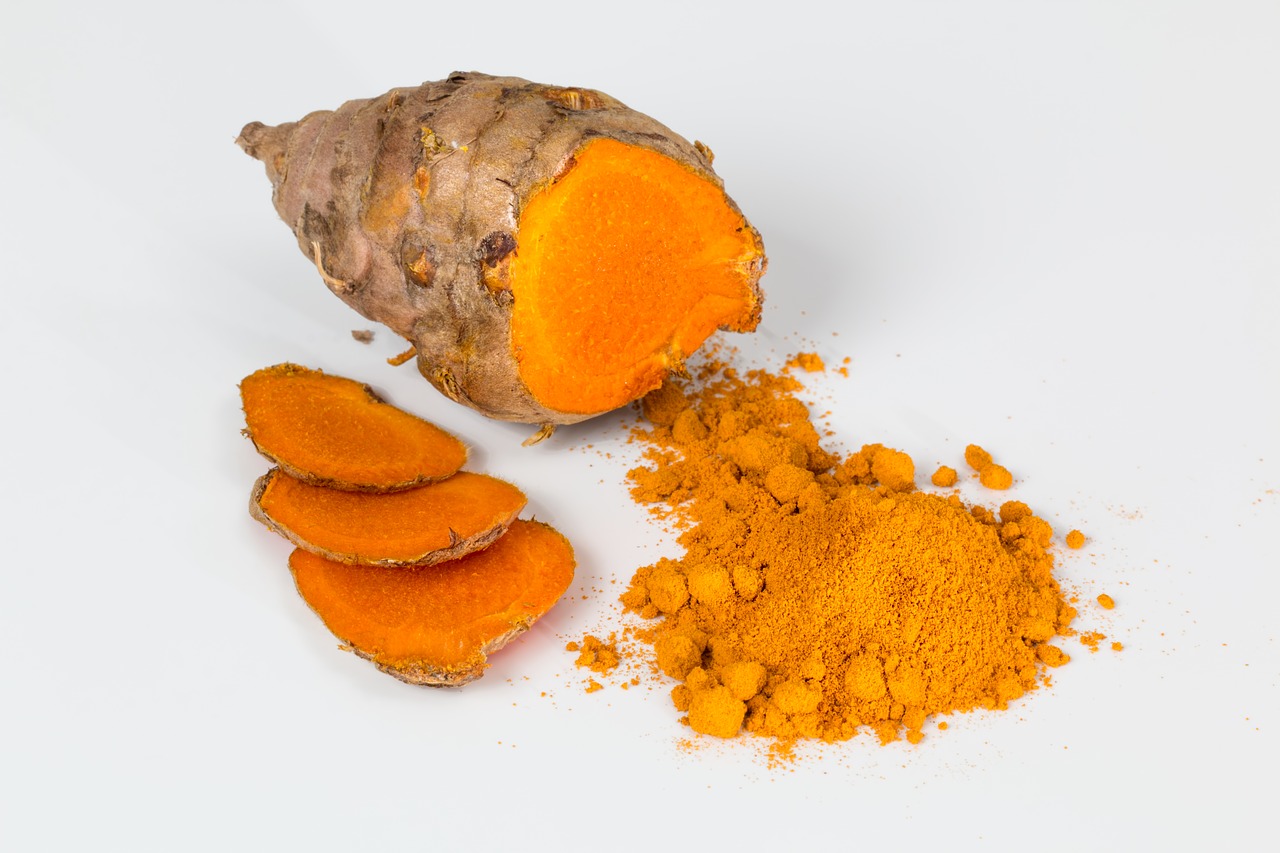
    Turmeric (Curcuma longa), a yellow pigmented spice, that is used worldwide in cooking, cosmetics, dyes, and medicines. It cultivated in Nepal, India and other parts of Southeast Asia. In Nepal, its commonly called as ‘Besar’ or ‘haldi’ and used as a spice especially in cooked vegetables and curries which improves color and flavor of such foods.

    Turmeric has long history of medicinal use dating back nearly 4000 years. It is used in Ayurveda and many southeastern alternative medicines to treat a variety of disease conditions in both animals and humans. Vertigo, sprains, cuts, injuries, swellings, skin infections, insect/scorpio/snake bites, acne, and diabetic sores are all treated with turmeric paste applied topically. Turmeric has long been used and reported to help with sore throats, common cold, flatulence, indigestion, diarrhea, biliary and hepatic problems, and anorexia when taken orally. It is also used as antiseptic, antimicrobial, antiallergic and anti-inflammatory agent in many other conditions. 

    If you are a Nepali or Indian, you probably have had turmeric drink when you had sore throat and common cold. Is not it? 

    So, what is so fascinating about turmeric?

    Turmeric consists of a group of three curcuminoids which constituents 3-6% of it along with other components. The benefits of turmeric are due to its functional ingredient curcumin which is a polyphenolic compound (a phytonutrient). The benefits of curcumin are associated with its anti-inflammatory and antioxidant capacities. Curcuminoids have been recognized by the US Food and Drug Administration (FDA) as safe and tolerable substances, even at doses of between 4000 and 8000 mg per day.

    Quick facts

    India is the largest producer of Turmeric.

    As curcumin is a poorly water-soluble, it is poorly utilized by body. To improve its bioavailability, combined use of turmeric and pepper is recommended. A substance found called piperine found in black pepper and long pepper, are known to increase its intestinal absorption by up to 20 times. 


    Benefits of Turmeric

    • Helps to treat arthritis

    Numerous researches have demonstrated the anti-arthritic effects of curcumin in humans with osteoarthritis and rheumatoid arthritis. A systematic review and meta-analysis conducted in 2016 provided scientific evidence that 8–12 weeks of standardized turmeric extracts (typically 1000 mg/day of curcumin) treatment can reduce pain and inflammation-related symptoms of arthritis and result in similar improvements of the symptoms as ibuprofen and diclofenac sodium. This also suggests that curcumin may offer an alternative to NSAIDS for patients with osteoarthritis seeking treatment with lesser side effects in gastrointestinal tract and cardiovascular system (1). Thus, turmeric extracts and curcumin are recommended for alleviating the symptoms of arthritis, especially osteoarthritis.

    • Helps with cardiovascular diseases

    Curcumin is reported to inhibit oxidative stress, cell death and inflammation and show cardioprotective effects. It has also been determined that serum triglyceride, LDL and VLDL cholesterol levels decrease considerably by taking curcumin (2). In one study of 121 people undergoing coronary artery bypass surgery, researchers appointed them either a placebo or 4 grams of curcumin per day a few days before and after the surgery. The curcumin group had a 65% reduced risk of experiencing a heart attack in the hospital (3).

    • May prevent and help treating cancer

    Cancer involves abnormal cell growth with the capability to invade or spread to other parts of the body. Studies have shown the antitumor effects of turmeric against ovarian cancer, uterine cancer, cervical cancer, and prostate cancer. Curcumin is reported to reduce cancer cell growth and their spreading and contribute to death of cancer cells (2). 

    • Helps with metabolic diseases

    Metabolic syndrome includes insulin resistance, high blood sugar level, high blood pressure, low high-density lipoprotein cholesterol, elevated low-density lipoprotein cholesterol, elevated triglyceride levels, and obesity, especially visceral obesity. Numerous studies have shown beneficial effects of curcumin in several aspects of metabolic syndrome by improving insulin sensitivity, reducing elevated blood pressure, inflammation, and oxidative stress (4). 

    • Aids in gut health and digestive system

    Curcumin has beneficial effects on gut microbiota. Gut microbiota is a hugely complex ecology of organisms, primarily comprising many classes of bacteria, fungi, viruses, and a few other species. In simple words, our intestine has thousands of both harmful and beneficial microorganisms. Curcumin is known to favor the growth of beneficial bacteria strains in the gut modulating microbial richness, diversity, and composition. If our gut microbiota is healthy, our overall digestion and metabolic health is more likely to be healthy. It has long been used in ayurvedic medicine as a digestive healing agent as well.

    The anti-inflammatory properties and beneficial effects of curcumin have been demonstrated for inflammatory bowel diseases and other gastrointestinal conditions, including dyspepsia, Helicobacter pylori infection, peptic ulcer, and irritable bowel syndrome (2).

    Besides above-mentioned benefits, turmeric is known to have positive role to fight against depression, anxiety, several neurological diseases, AIDS and so on. It may also help in the management of exercise-induced inflammation and muscle soreness, thus enhancing recovery and subsequent performance in active people. Thus, having low level of turmeric daily exerts potential health benefits in healthy individuals.

    Potential Toxicity

    Consumption of turmeric and curcumin is safe and well-tolerated in general. Dosages of curcumin as high as 8000 mg/day have been shown to be well-tolerated with no apparent toxicity when taken orally for 3 months (5,6). According to JECFA (The Joint United Nations and World Health Organization Expert Committee on Food Additives) and EFSA (European Food Safety Authority) reports, the Allowable Daily Intake (ADI) value of curcumin is 0–3 mg/kg body weight. Though its usually safe, too much (probably more than a teaspoon per day) of turmeric as a part of daily diet may upset our stomach and cause constipation and vomiting in some people. It is not advised to have more than a teaspoon of turmeric during pregnancy. Higher doses may also interfere with iron absorption. Turmeric does not just contain curcumin but other minerals and compounds as well. Turmeric is high in soluble oxalates, which can bind to calcium, and form insoluble calcium oxalate, which is responsible for about three-quarters of all kidney stones (1). This may also worsen conditions such as kidney stones and gall bladder problems if taken in large amount.

    Takeaway

    Turmeric, mainly its bioactive compound called curcumin is a potent anti-inflammatory and antioxidant agent. In daily life, using small amounts of turmeric with its bioavailability enhancer is beneficial.  Add black pepper to the any turmeric drink you are making. Curcumin is also fat soluble, so taking turmeric or curcumin with a drink or meal high in fat may help improve its bioavailability. Adding turmeric to the curries as traditional Nepali cooking style is safe and might be beneficial on a current level. Though there is no exact consensus (most of them are about curcumin), having up to 1 teaspoon of turmeric per day is generally safe for healthy people and may have potential benefits as well.

    1. Daily JW, Yang M, Park S. Efficacy of Turmeric Extracts and Curcumin for Alleviating the Symptoms of Joint Arthritis: A Systematic Review and Meta-Analysis of Randomized Clinical Trials [Internet]. Vol. 19, Journal of Medicinal Food. Mary Ann Liebert Inc.; 2016 [cited 2021 Jun 20]. p. 717–29. Available from: /pmc/articles/PMC5003001/
    2. Hay E, Lucariello A, Contieri M, Esposito T, de Luca A, Guerra G, et al. Therapeutic effects of turmeric in several diseases: An overview. Vol. 310, Chemico-Biological Interactions. Elsevier Ireland Ltd; 2019. p. 108729. 
    3. Wongcharoen W, Jai-Aue S, Phrommintikul A, Nawarawong W, Woragidpoonpol S, Tepsuwan T, et al. Effects of curcuminoids on frequency of acute myocardial infarction after coronary artery bypass grafting. American Journal of Cardiology [Internet]. 2012 Jul 1 [cited 2021 Jun 20];110(1):40–4. Available from: https://pubmed.ncbi.nlm.nih.gov/22481014/
    4. Hewlings S, Kalman D. Curcumin: A Review of Its Effects on Human Health. Foods [Internet]. 2017 Oct 22 [cited 2021 Jun 20];6(10):92. Available from: /pmc/articles/PMC5664031/
    5. Qin S, Huang L, Gong J, Shen S, Huang J, Ren H, et al. Efficacy and safety of turmeric and curcumin in lowering blood lipid levels in patients with cardiovascular risk factors: A meta-analysis of randomized controlled trials [Internet]. Vol. 16, Nutrition Journal. BioMed Central Ltd.; 2017 [cited 2021 Jun 20]. p. 1–10. Available from: https://nutritionj.biomedcentral.com/articles/10.1186/s12937-017-0293-y
    6. Phase I clinical trial of curcumin, a chemopreventive agent, in patients with high-risk or pre-malignant lesions – PubMed [Internet]. [cited 2021 Jun 20]. Available from: https://pubmed.ncbi.nlm.nih.gov/11712783/