Om hun gameplay bij Winstler te verbeteren, moeten deelnemers doeltreffende plannen voor het managen van hun kapitaal aanvaarden. Een persoonlijk budget vaststellen voordat je begint met spelen helpt bij het behouden van financiële controle. Beslis van tevoren hoeveel geld je kunt missen en houd je strikt aan dat budget. Het bijhouden van stortingen en uitgaven zal ook helpen om een helder overzicht te behouden over het financiële verloop tijdens het online spelen.
Enkele Van De Gokspellen Die Je Kunt Vinden Op Winstler
Gokken op Winstler biedt een breed scala aan spelopties die spelers kunnen genieten. Van klassieke tafelspelen tot de nieuwste video slots, er is voor elk wat wils.
Dead Or Alive
Dead or Alive, een populair spel op Winstler, trekt veel spelers met zijn Westerse thema en hoge volatiliteit. Succes hangt af van zowel geluk als de juiste strategieën. Het is een opwindende ervaring die je hart sneller doet kloppen tijdens elke spin.
Mega Joker
Mega Joker is een fruitautomaat met een progressieve jackpot, die bijzonder aantrekkelijk is voor spelers die houden van klassieke, eenvoudige slots maar met de mogelijkheid voor grote winsten.
Hand Of Midas 2
Dit spel, gebaseerd op het mythische verhaal van Koning Midas, nodigt spelers uit om hun geluk te testen in een boeiende slotervaring met unieke multipliers en bonusronden.
Bigger Bass Splash
Bigger Bass Splash biedt watersportliefhebbers en hengelaars een visvriendelijke slotervaring waarin grote vangsten leiden tot grotere uitbetalingen.
Xmas Burst
Rond de feestdagen brengt Xmas Burst het kerstgevoel naar het gokplatform met zijn vrolijke thema en speciale functies die de feestvreugde verhogen.
Joker’s Jewels
Joker’s Jewels combineert eenvoud met allure door het toevoegen van een jester-thema aan een klassieke slot setup. Spelers kunnen genieten van dit gemakkelijk te begrijpen spel met een hoge potentie tot winnen.
Winstler Registratie
Het registratieproces bij Winstler is misschien wel één van de eenvoudigste en meest intuïtieve in de online bookmakersmarkt. Het enige wat nodig is, is het verstrekken van enkele basis persoonlijke gegevens, het kiezen van een gebruikersnaam en wachtwoord, en het verifiëren van je account door een bevestigingslink die naar je e-mail gestuurd wordt.
Welkom Bij Winstler
Winstler is een populaire online casino-app die momenteel een grote populariteit geniet onder gokkers in Nederland en andere landen. Het platform biedt een veilige en gebruiksvriendelijke omgeving voor alle speltypen.
Winstler Review
www.winstler-nl.com is een licentiehoudende online casino dat is geautoriseerd door de Nederlandse overheid. Dit waarborgt de veiligheid van de speler en garandeert de integriteit van de spellen en financiële transacties.
Kies Meteen Je Eigen Winstler Welkomstbonus Uit
Het begint natuurlijk allemaal met een welkomstbonus voor nieuwe spelers in het casino. Deze bonussen variëren vaak, maar omvatten meestal gratis spins, stortingsverdubbelingen, of zelfs cashback opties. Het is de perfecte manier om je gokavontuur bij Winstler te starten.
Online Casino Spelen Met Winstler: Een Betalende Ervaring
Spelen bij Winstler biedt niet alleen entertainment; het kan ook een lucratieve ervaring zijn. Met de juiste strategieën en een beetje geluk, kunnen spelers substantiële winsten realiseren, die direct en veilig uitbetaald worden via diverse betaalmethoden.
Calcium is an essential mineral our body needs everyday. Apart from many other functions such as muscle movement and blood clotting, calcium is mostly known for bone and teeth health. The body stores 99% of its calcium in the bones, with the remaining 1% being found in other tissues such as muscle, blood, and other tissues.
How Much Calcium Do We Need Each Day?
Nepal does not have its own recommendations to date, as far as I know, we follow ICMR-NIN (Indian Council for Medical Research-National Institute of Nutrition). Recommended daily allowance for adults was 600 mg per day but now has been increased to 1000 mg per day (read more here).
The general recommendations per day are:
Adults under 50 years: 1000 mg
Adults over 50 years: 1200 mg of calcium
Maximum: limit intake to below 2000 mg per day from both food and supplements combined
The detailed recommendations for all age groups including pregnancy and lactation can be found here and here!
What Happens If We Are Deficient In Calcium?
If the body is deficient in calcium, it extracts calcium from bones. This may lead to increased risk of reduced bone density and bone fractures. Long term calcium deficiency also might lead to muscle spasm and numbing and tingling around mouth and fingers, seizures etc.
As we cannot produce calcium to meet our daily calcium needs, we must eat it from our food or supplement.
Tell Me Where Can I Find Calcium?
When it comes to calcium, milk products are generally recommended. For those not consuming dairy because of ethical, environmental, affordability or health reasons, there are plant based sources too! While it is absolutely possible to get all your calcium from plants, a careful planning is needed if there is no fortified source of calcium such as calcium fortified non dairy milks.
Among all the grains, three stand out here- Amaranth, Finger Millet and Teff! The Nepali names of the first two are “Latteko dana’ and ‘Kodo’ or ‘Ragi’! I am not sure if Teff is available in Nepal but it is available in the US and most other developed countries.
Let’s talk about what is available in Nepal. A 100g raw finger millet contains about 364 mg of calcium! That’s unmatched to any other grains! Amaranth also contains 162-181 mg per 100g which is also way higher than in rice or wheat. Do not forget to soak for a few hours before cooking and discard the soaked water. It is because they also contain a compound called phytate and oxalate which are known to be a barrier in calcium absorption. However, do not worry, soaking and cooking helps (1)(2)!
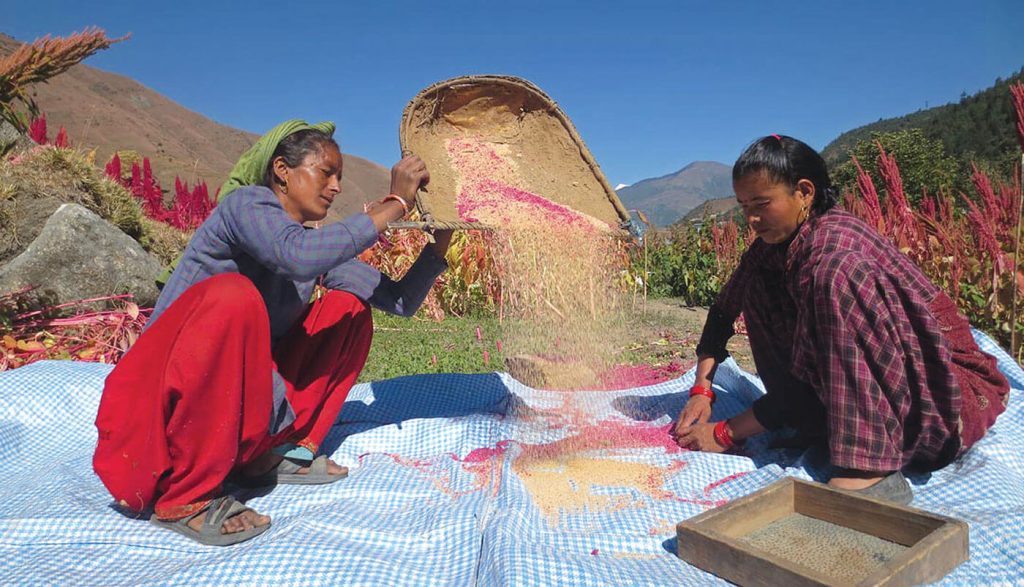
Many Nepalese may be unaware about Amaranth but it is produced in far west hills in small quantities. A Nepali Times article published in 2019 has shared some information about it (3).
Amaranth in Jumla District (Photo source: Nepalitimes)
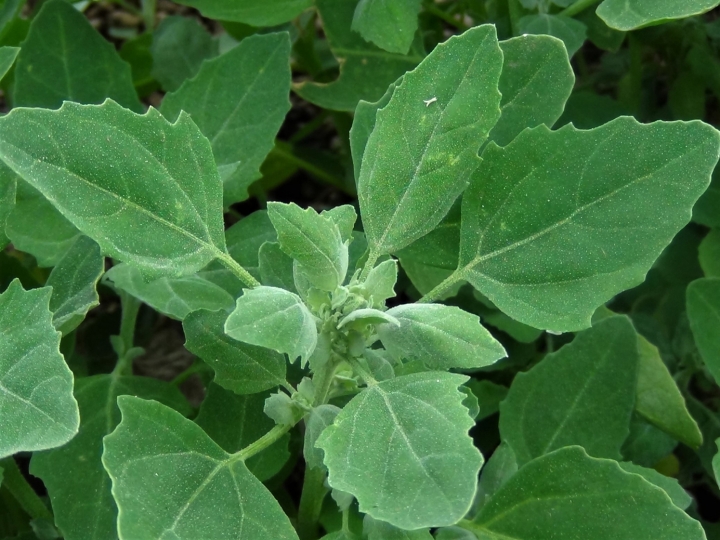
Among vegetables mustard greens (Rayoko saag) , radish leaves (Mulako saag), turnip greens (Gantemulako saag), lambs quarter (Bethe) stand out (4)(5)(6).
For eg. 100 grams of raw Lambs quarters contains 211 mg of calcium which is about 21% of your RDA, making it an excellent source of calcium (7).
Pumpkin leaves, garden cress, amaranth leaves, fenugreek leaves are super rich in calcium, and are widely available and consumed in Nepal. However, not much information has been found regarding their bioavailability (whether the body can absorb them well or not). Consuming them does not hurt though as they are a rich source of other nutrients.
Chinese cabbage, collard greens, broccoli, watercress, bok choy and kale also are a good source, it is just that they are not much available or consumed in Nepal. But, we should do both now, produce and consume! If you are a Nepalese living in the US, or other developed countries, you can easily find these veggies in any farmer’s or supermarket! Even though spinach and Taro leaves are high in calcium, they are not considered a ‘great source’. This is because the calcium from these is not absorbed in our body as they contain high amounts of an inhibitor called oxalate.
Among seeds, sesame seeds and chia seeds stand out! Most of the calcium in sesame seeds is in its hull, so make sure you buy unhulled. Sesame also contains some mineral inhibitors, thus soaking helps in calcium absorption. You can also make sesame seed paste for better calcium absorption!
Other sources are okra, almonds, figs etc. Among fruits, oranges and black currants can be regarded as a source of calcium.
Among beans, green soybean (edamame) tops the list. Most legumes provide some amount of calcium, however, black beans, winged beans, white beans, navy beans and chickpeas are particularly rich among others!
You may be surprised but black strap molasses is very rich in calcium. Only a tablespoon has 200 mg which is 20% of your recommended dietary allowances!
Calcium set Tofu provides as much as 350 mg (35% RDA) per 100g! Make this a priority if it’s available in your area.
If you live in counties like the UK, USA, Canada and Australia, getting enough calcium from a plant based diet is even easier! In the US, most plant milks such as soymilk, oat milk and almond milk and their yogurts provide anywhere between 20-30 % of RDA per cup!
To summarize, the best sources of non dairy calcium are cooked mustard greens, bok choy, kale, turnip greens, collard greens, cabbage, calcium set tofu, calcium fortified non dairy milks, edamame, winged beans and white beans!
Factors Affecting Absorption of Calcium
Various dietary, physiological and lifestyle factors influence how much calcium we actually absorb from the food we eat.
Vitamin D
If your vitamin D level is low, it’s harder for your body to absorb the calcium even if you eat enough (8). Thus, making sure that you have an optimal vitamin D level is crucial.
Mineral Inhibitors
Foods high in ‘antinutrients’ such as phytate and oxalate bind to calcium and form insoluble complexes, limiting absorption in the intestine. Oxalates seem to have more effect on calcium than phytate.
So, then how to improve calcium absorption?
Make sure you have adequate vitamin D levels!
Eat calcium rich foods in every diet!
Soak legumes and nuts before cooking!
Eat at least a serving of calcium fortified food each day if available!
High Salt Intake
High sodium intake causes calcium loss in our urine, depletes your calcium stores and has been linked to decreased bone density (9)(10).
Other factors include smoking, heavy alcohol consumption and a large amount of caffeine intake!
What about Calcium Supplements?
Supplements may come handy if your diet is very poor in calcium. However, it is not a good idea to take any calcium supplement unless prescribed by your healthcare provider!
Summary
Make vitamin D a priority and eat a balanced diet. Utilize calcium fortified foods if they are available in your region. Include above mentioned calcium rich foods at least twice a day. If you eat a well balanced diet and have no issues with your body’s ability to normally absorb and retain calcium, you should not be worried! Talking to your dietician is a good idea to ensure if your current diet meets your requirements or not.
Many people believe that one must eat meat, dairy or eggs in order to build muscles. In this article, we will discuss what current scientific evidence says about this idea. To make it simple and straightforward, I will present to you a summary of high quality and mostly cited research articles.
Ok, straight to the evidence!
In a 12-week study, researchers examined the effects of supervised resistance training on young men, comparing habitual vegans and omnivores. Both groups underwent the same training program twice weekly. To standardize protein intake, participants adjusted their diets to include 1.6 grams of protein per kilogram of body weight per day, either supplemented through soy protein for vegans or whey protein for omnivores. Throughout the intervention, dietary intake was closely monitored. Results showed significant increases in various measures of muscle development for both groups, including leg lean mass and leg-press strength. The research concluded that individuals adhering to a vegan diet can achieve similar muscle-building benefits as their omnivorous counterparts as long as protein intake is adequate.
Another study aimed to compare the impact of soy and whey protein supplements, both containing equal amounts of leucine, on muscle growth and strength gains following 12 weeks of resistance training. Sixty-one untrained young adults, including 19 men and 42 women aged 18 to 35, enrolled in the study, with 48 completing it (17 men and 31 women). Participants engaged in supervised resistance training sessions three times a week and consumed either 19 grams of whey protein isolate or 26 grams of soy protein isolate daily, with both supplements containing 2 grams of leucine. The results showed that both groups experienced similar increases in total body mass, lean body mass, and leg strength. Vastus lateralis muscle thickness tended to increase in both groups, although this difference did not reach statistical significance. Importantly, there were no significant differences observed between the two groups, indicating that soy and whey proteins matched for leucine supported comparable muscle growth and strength gains during resistance training in untrained individuals.
Another cross sectional study looked at dietary differences among competitive bodybuilders during two phases of their competition preparation: the muscle-gaining phase (bulking) and the contest preparation phase (cutting) and whether the vegan diet needs the nutritional requirement of bodybuilders. They asked 18 bodybuilders about their height, weight, training routine, and if they’re vegan or not. Participants completed an initial online questionnaire covering anthropometric measurements, training history, and diet type (vegan or omnivorous). They then logged their food intake over 5 days during the bulking and cutting phases, with a two-month gap between phases. The result showed that during bulking, omnivore bodybuilders consumed 2.2–2.7 g/kg/day, while vegans consumed 1.9–2.5 g/kg/day, meeting or exceeding the recommended range of 1.6–2.2 g/kg/day for both groups. In the cutting phase, vegans (1.6–2.2 g/kg/day) fell short of the recommended 2.3–3.1 g/kg/day, while omnivores (2.2–2.7 g/kg/day) stayed within range. They concluded that vegan bodybuilders may struggle to meet protein needs during caloric deficits. However, with proper nutrition planning and supplementation, a vegan diet can still be suitable for bodybuilders, highlighting the importance of professional guidance in achieving optimal nutrition for muscle maintenance.
A recent systematic review and meta-analysis analyzing 18 and 16 studies respectively has reported that both animal and plant protein sources led to an increase in median lean mass and strength outcomes. Animal protein seemed to be a bit more effective at increasing muscle size, especially in younger people <50 years. However, when it came to strength, there wasn’t a significant difference between animal and plant protein with or without resistance exercise training.
A recent review study has concluded that plant proteins can serve as a nutritionally adequate substitute for animal proteins in stimulating muscle protein synthesis (MPS) and supporting muscle mass. Though plant protein generally have lower essential amino acid (EAA) and leucine content, slightly lower protein bioavailability, and lower protein density per serving, these drawbacks can be addressed by diversifying food groups throughout the day to ensure sufficient intake of all EAAs and leucine, employing cooking techniques (eg. sprouting) to enhance protein bioavailability, and increasing serving sizes of plant-based foods (eg. legumes) or isolated plant proteins (eg. protein powder). The review concluded that plant protein supplements like soy, beans, peas, rice, and potato can be just as effective as animal protein supplements (eg. whey protein powder) in muscle and strength gain. They also mention that ‘more studies are needed to support the guidelines regarding the use of plant protein sources to adequately, sufficiently, and safely meet the protein needs of individuals and evaluate the efficacy of muscle protein synthesis in humans compared to animal protein sources.’
Until now, I have read dozens of studies on different kinds of proteins, their amino acid contents, digestibility, usage and efficacy. The more research I do, it becomes more clear that muscle growth and strength can be achieved without consuming meat, dairy, or eggs, as plant proteins are equally effective.
There is no denying the fact that animal based proteins such as meat, dairy and eggs offer balanced proportions of essential amino acids in higher amounts than most plant based foods such as legumes, nuts and grains. However, it is critical to remember that our diets aren’t restricted to a single food but rather consist of a variety of foods. In practice, a variety of legumes, grains, nuts, fruits and vegetables can work together to offer the whole spectrum of amino acids required for muscle building and overall health.
In practical life, we value convenience and time. Just as omnivores who are focused on building muscle often use whey protein powder, individuals following plant-based diets can also find value in using plant protein powders, like soy, blends of pea and rice, for convenience and effectiveness. However, it’s important to recognize that protein powders are not ALWAYS necessary for either omnivores or vegans.
When I made a video on TikTok highlighting the benefits of soy chunks (also called textured vegetable protein, soybean maseura), a number of people, primarily men, commented that soy is feminizing, it is not good for men, it lowers the sperm count and so on. While I was aware that there is a big misconception among western communities, it surprised me to discover that these kinds of presumptions exist among a significant number of Nepalese youths as well.
The alleged effects of soy is attributed to isoflavone. Soy is uniquely high in isoflavone which is a form of plant estrogen (phytoestrogen) that functions similarly to human estrogen but exerts a much weaker effect. The amount of isoflavones in soy can vary depending on numerous factors, including the soybean cultivar, growth condition, and the post-harvest processing. Also, not all soy products (eg. edamame, soymilk, tofu, soy protein, natto etc.) have the same amount of isoflavone (1, 2).
Let us delve into the origins of this myth and what the scientific evidence has to say on this matter.
When and How did it Start?
To put it into perspective, imagine drinking almost 3 liters of cow milk every day, or having 3 kilograms of meat everyday or having 3 kilograms of rice everyday. Such excessive consumption, whether of soy or other foods increase the likelihood of diseases such as high cholesterol, heart diseases and kidney disease among many. Even substances as essential as water can lead to health problems when ingested in excessively high amounts.
Thus, drawing conclusions based on the unhealthy eating habits of two individuals, who consumed an exceptionally high amount of soy should not be generalized. However, case reports should not be neglected and such cases warrant more thorough studies. That is precisely what happened. In the last two-three decades, there has been a plethora of research done on soy, exploring its benefits and potential harmful effects.
History of Soy Intake
Soybean is consumed for centuries in many Asian countries such as in Japan, Korea and China. Even though Nepalese historically might not have not have consumed other soybean products such as tofu and soymilk, roasted soybean seeds were a staple snack consumed regularly if not daily.
Nowadays, the popularity of soy is increasing as it is a good source of quality protein with less saturated fat, and it is a more efficient choice compared to animal-based protein.
What does Research say?
Lets start with this one. A prospective cohort study analyzed the intake of soy products in 184 men from couples undergoing infertility treatment with in vitro fertilization. The result showed that the consumption of soy foods or isoflavones by male partners had no connection to fertilization rates or various other measures of fertility.
A review study published in 2009 notes that: ‘It is likely that a relatively small (≤10%) proportion of the population in Asia consumes daily as much as 25 g of soy protein or 100 mg of isoflavones. Thus, if historical precedent can be used as one measure of safety, then a reasonable upper limit for isoflavone intake from traditional soy foods is approximately 100 mg/day.’
Research is ever growing. Let us see what the newer studies have to say on this matter. A meta-analysis of 38 controlled clinical studies published in Journal of Reproductive Toxicity in 2021 investigated the effect of soy/isoflavones on hormone levels. The study concluded that, regardless of the dosage or duration of the study, soy protein and isoflavone exposure have no effect on total testosterone (TT), free testosterone (FT), estradiol (E2), estrone (E1), and sex hormone binding globulin levels in men. Another review study published in the journal of molecular and cellular endocrinology in 2012 also noted that 2-3 servings of soy per day has no discernible effect on hormone levels. This equates to about 15-20 grams of soy protein and 50–75 mg of isoflavones on average. To put it into perspective, 3 servings of soy food might look like 250 ml of soymilk and 80-100 grams of tofu.
Other past research and systematic reviews, in addition to this meta-analysis, show that soy has no apparent effect on estrogen levels in men or other feminization endpoints (6,7) .
Despite of evidence, there has been huge fear mongering regarding soy. It is sad to note that even some health professionals perpetuate these myths. Some may not thoroughly investigate the current scientific evidence, while others might remain uncertain about the subject because of the confirmation bias. This highlights the necessity of continuing education and awareness campaigns to ensure that correct information is shared, particularly when it comes to issues pertaining to health and nutrition.
Summary
In this article, we have not discussed the array of benefits soy provides though soy is consistently shown to reduce risk of certain types of cancers and other chronic diseases. There are countless benefits of consuming soy which will be covered next time. Just like any other food such as cow milk, rice, meat or fruits, soy should also be consumed in moderation (which is up to 3 servings per day). Eating soy solely may result in a diet that isn’t very diverse since the consumer may be ignoring other beneficial legumes or sources of protein and losing out on the advantages that come with them. Diversity in diet—including a variety of foods instead of mainly depending on one or two is always healthy and preferred. In a nutshell, soy is absolutely safe to consume by both men and women as a part of a healthy diet and it definitely does not cause feminization in men. Next time, if someone comes to you and says ‘men should not consume soy’, just understand that they have been influenced by the big media headlines, influencers and have not done any research to find out the actual fact. If you are worried, you may avoid soy or isoflavone supplements, however, avoiding soy altogether is not a wise decision unless you have soy allergy.
We are sure that you have eaten peas since your childhood. But, have you heard about pea shoots before? Have you eaten them? Well, you should! 🙂 It is so healthy and tasty that it deserves your try. Anyways, let’s get into the business!
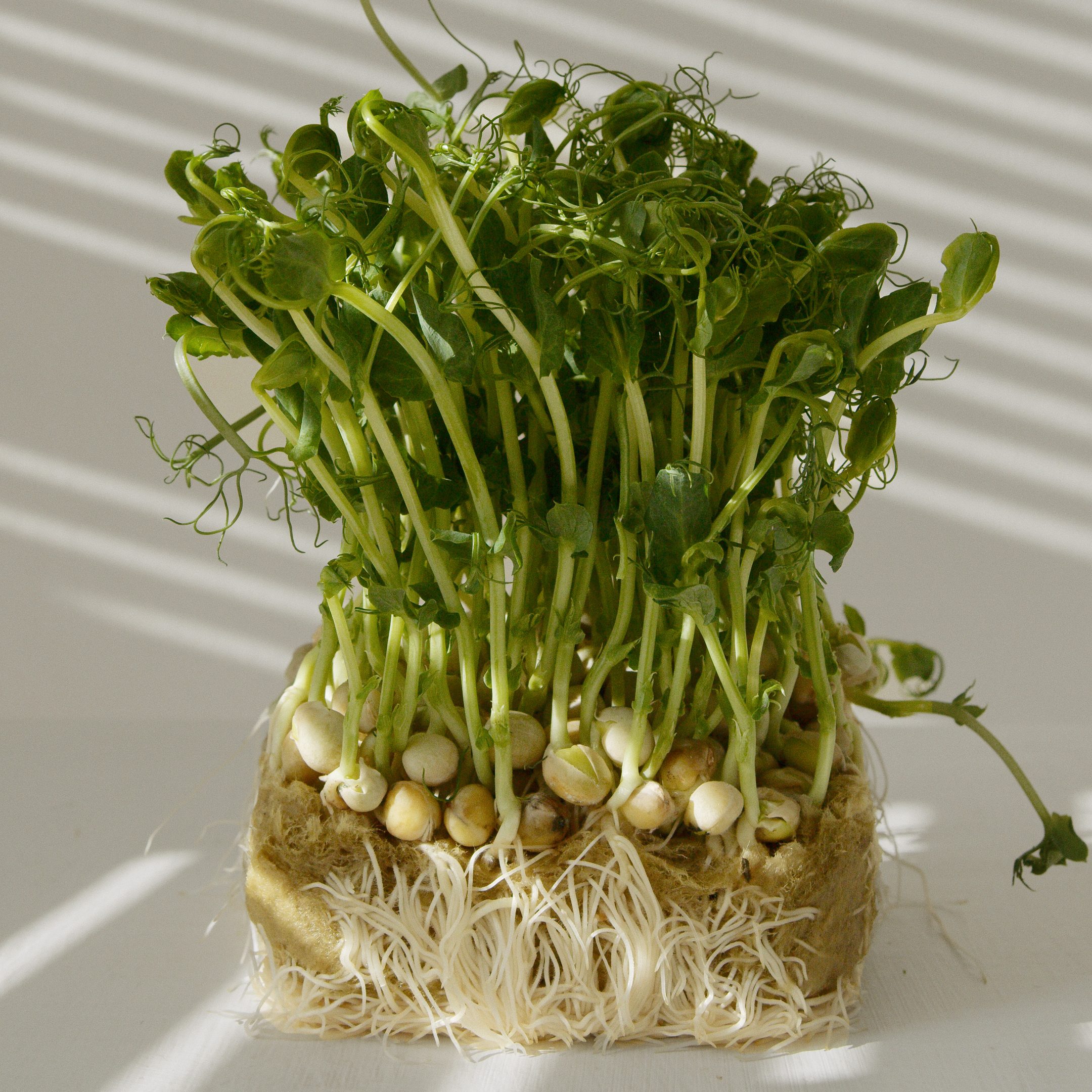
These days, sprouts are gaining huge popularity among health conscious people. Pea shoots are one of the many sprouts, seedlings and microgreens. Confused what sprouts, seedlings and microgreen mean? Well, shoots have leaves and stems however sprouts do not. Pea shoots are a little bit grown up :). Pea Shoots are immature green leaves of pea plants which are harvested after a week to two weeks of germination.
Peas are loved by people, be it green peas or dried peas. They are part of the regular diet of people in many countries across the globe. However, pea shoots are a fairly new subject. Its consumption is not as much as the consumption of peas. They are soft and have a earthy, juicy flavor.
How Are Pea Shoots Grown?
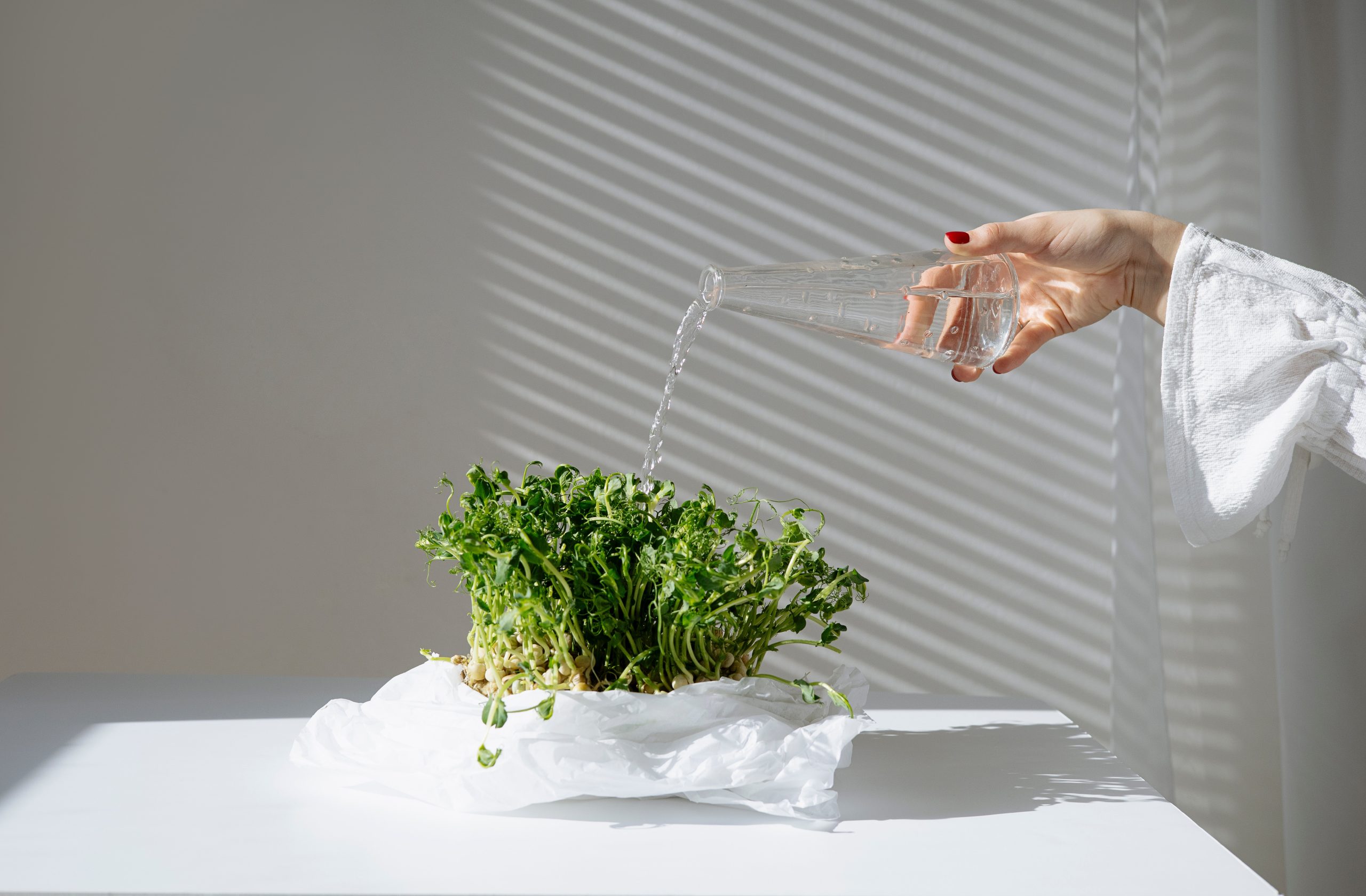
Usually, unprocessed/minimally processed dry peas are soaked overnight. Then, they are either left and for the next one and half days, rinsing two times a day or directly put into a tray containing soil. They are continuously watered for a week or so until they are ready to harvest. Usually, they do not require direct sunlight but plenty of daylight. They can be grown in small spaces, so if you think you do not have enough spaces or land to grow veggies, try pea shoots! Would you like a step to step guide to grow pea shoots? Let us know in the comment section!
How Nutritious Are Pea Shoots?
Pea shoots are a good source of phosphorus, potassium, vitamin A, C and E. Pea shoots are also rich in compounds such as flavonoids, beta carotene and lutein which are potent antioxidants. As a minimally processed vegetable, the pea shoots also have a very good stability of their nutrient values and disease fighting compounds, when stored under refrigerated conditions for 10 days (1).
Pea Shoots are reported to have higher percentage of protein and dietary fiber than the ones found in lettuces, which is a common salad eaten by people.
How to Eat Pea Shoots?
Eat as salad just like you eat cucumbers. For a mild texture and flavor, toss them into pasta. When you’re in a hurry and don’t have time to prepare other vegetables, toss in your Daal or lentil soup! Eat as you please!
Takeaway
All in all, pea shoots can be a great addition to your probably boring diet ;). They are nutritious and full of disease fighting compounds. Besides, they are easy to grow at home too!
Flax seed is the seed of the flax plant, an annual herbaceous plant, belonging to the flax family. The Latin name of flaxseed is Linum usitatissimum L. which means very useful. It has two basic varieties: brown and yellow or golden.
One tablespoon-7g of ground flax seed contains 37 calories, 1.3g of protein, 3g of fat and 2g of carbohydrates. Almost all carbohydrate in flax seed is dietary fiber, so the net carbohydrate is only 0.1g. Of all fat in flaxseed (approximately 30%), 53% are α-linolenic acid (omega-3), 17% linoleic acid (omega-6), 19% oleic acid (omega-9), and remaining saturated fat, which provides an excellent omega 6: omega 3 fatty acid ratio of approximately 0.3:1. The omega 3 fatty acids (alpha linolenic acid) content of a tablespoon of ground flax seed is 1,597 mg which makes it one of the richest sources of omega-3 in plant-based food (1)(2).
Because of these extraordinary components, it has gained huge popularity nowadays and often termed as ‘superfood’. Flax seeds have been used since centuries for several health conditions and has a huge role in traditional medicine. Besides its excellent nutritional profile, flax seed is also shown to have myriad of benefits in several disease and health conditions.
One of which is, its role in hypertension.
High blood pressure is a major health burden associated with the increased risks of heart, brain, kidney, and other diseases (3). A study* shows that patients who ingested a variety of foods that contained 30 g of milled flaxseed over 6 months were found to have decreased blood pressure as compared to group that did not consume flax seeds. The presence of omega 3 (ALA), lignans, fiber, peptides, or a synergistic action of all 4 components together are considered to be the reasons for decreased blood pressure (4). Consumption of flax seeds has shown to reduce high blood pressure in many other animal and human studies (5). Thus, consumption of flax seed can be a cost-effective way to reduce the burden of hypertension among risk groups.
Iron is an essential mineral needed for all organisms.
Why is iron important?
Most of the body’s iron is found in the red blood cells of our blood called hemoglobin and in muscle cells called myoglobin. Hemoglobin is essential for transferring oxygen in our blood from the lungs to the tissues whereas myoglobin receives, stores, transports and releases oxygen. Besides, iron takes part in immunity function, brain development and energy production as iron is a part of several enzymes in our body. In short, iron is necessary for our blood, necessary for stronger immunity, necessary for good brain function.
Iron is stored in the body as ferritin (in the liver, spleen, muscle tissue, and bone marrow) and is delivered throughout the body by transferrin (a protein in blood that binds to iron). Iron has several important functions in our body.
What happens if we are deficient in iron?
Risk of iron deficiency anemia, dry and damaged skin, and hair, decreased memory, impaired learning and concentration increases. Impaired immune function, decreased aerobic sports performance, decreased work productivity, fatigue, weakness, adverse pregnancy outcomes, increased risk of low birth weight and maternal morbidity, infant motor, and mental function delay are some consequences. Severe iron deficiency might raise your chances of developing heart or lung problems, such as tachycardia (abnormally fast heartbeat) or heart failure.
Iron requirement
A healthy man needs 8 mg of iron per day whereas the amount is 18 mg per day for women on an average. For a vegan, requirement is higher up to 1.8 times. This is because heme iron from animal-based sources such as meat and fish are better absorbed (12-15%) than nonheme iron from plant-based foods. Below is listed daily iron need for different age groups. In case of Nepal, our traditional practices include soaking legumes, sprouting, and fermenting and combining legumes with lemon. Thus, based on our current practice, we have assumed that the bioavailability of iron is 10% and the recommended dietary allowance is provided on this basis (1).
Age
Recommended nutrient intake (mg/day)
Children
1-3 years
5.8
4-6 years
6.3
6-10 years
8.9
Adolescents and Adults
Male, 11-14 years
14.6
Male, 15-17 years
18.8
Male, 18+ years
13.7
Female, 11-14 years
14 (before menstruation)
Female, 15-17 years
32
Female, 18+ years
29.4
Post-menopausal
11.3
Lactating
15
Sources of iron
There are two types of iron found in our foods.
Heme iron: Found in animal-based products 2. Non heme iron: Found in plant-based products
All plant-based sources of iron are non heme iron which are little bit difficult to be absorbed by the body as compared to heme iron. However, if your diet contains diverse plant based whole foods, you are unlikely to have iron deficiency. Sometimes, because of other underlying medical conditions or heavy menstrual flow, you might have low iron level irrespective of your iron intake sources.
All types of legumes like lentils, mung bean, cowpea, kidney beans, black beans etc (increased absorption if soaked for at least 4 to 6 hours and cooked), soybeans and soybean-based products like tofu, green leafy vegetables like variety of spinach broccoli, whole grains such as millet and quinoa, pumpkin seeds etc. The foods listed below have highest iron content, among others.
Grains
Amaranth (5.2 mg per 1 cup cooked)
Rolled Oates (3.4 mg per 1 cup cooked)
Quinoa (2.8 mg per 1 cup cooked)
Legumes
Lentils (6.6 mg per 1 cup cooked)
White, Lima, Navy, Red Kidney Bean (4.4-6.6 mg per 1 cup cooked)
Blacked eyed bean (4.6-5.2 mg per 1 cup cooked)
Chickpea (4.6-5.2 mg per 1 cup cooked)
Edamame (green soybean): (3.5 mg per 1 cup cooked)
Tofu, Firm, Raw (3.4 mg per 0.5 cup-126g)
Nuts and Seeds
Sesame seeds (4.1 mg per 1 ounce-28g)
Pumpkin seeds (2.5 mg per 1 ounce-28g)
Ground flax seeds (1.8 mg per 30 gram)
Veggies
Spinach Cooked (6.4mg per 1 cup cooked)
Mustard Greens (2.56 mg per 1 cup cooked)
Pumpkin leaves (2.27mg per 1 cup cooked-71g)
Brussels sprouts (1.23 mg per 1 cup raw-88g)
Tips for better absorption
Eat iron rich foods with vitamin C rich foods: Foods that contain Vitamin C increase the body’s ability to absorb iron. Examples of vitamin C-rich foods include citrus fruit such as lemons, oranges, limes, grapefruit, kiwis, strawberries, capsicums, potatoes, broccoli, and dark green leafy vegetables.
Soak legumes at least 4 to 6 hours before cooking. This helps to reduces mineral inhibitors like phytates which are common in plant-based food sources.
Iron need in Pregnancy
Iron is vital for pregnant women and her fetus. On an average, a pregnant mother needs 1000 mg of additional iron than normal ones. Iron deficiency anemia in pregnancy may lead to two to three times increased risk of preterm delivery and low birth weight. Thus, usually iron supplement is prescribed to pregnant women as there is increased absorption and higher need of iron in them.
Things to take care if you are taking iron supplements
Avoid calcium rich foods such as milk at least one or two hours before or after taking the pill
Avoid caffeinated drinks like soda, tea, coffee etc while taking meals or eating pills 3. Take supplements in empty stomach or after 2 or more hours of eating meals
Takeaway
It is absolutely possible to get sufficient iron form plant-based diet. Include soaked legumes in your regular diet and utilize methods to improve absorption as mentioned above.
Wheatgrass is the young grass or shoots of common wheat plant (Triticum aestivum). It is harvested before it reaches full size, during an early stage in its development. It normally takes 7–10 days after sprouting for this to happen. It is typically consumed as a fresh juice, but it is also available as a powder. Wheatgrass juice is a living food that is consumed fresh.
Why is it called green blood?
Because of its high chlorophyll content, which accounts for 70% of its chemical composition, it is also known as “green blood.” It also has a structural similarity to haemoglobin, resulting in a high oxygen supply to all tissues. It also contains antioxidant enzymes like as superoxide dismutase and cytochrome oxidase, which can convert reactive oxygen species to hydrogen peroxide and oxygen molecules. It can also protect DNA from oxidative damage (1). Chlorophyl, the green pigment has wound healing and strong anti-inflammatory properties as well.
Nutritional value
About a tablespoon (10g) of shade dried wheatgrass powder contains following nutrients (2).
Protein: 3.1g
Fat: <0.1g
Dietary Fiber: 2.6g
Vitamin C: 0.2 mg
Beta carotene (pro vitamin A): 19.4 mg
Calcium: 7.2mg
Iron: 2.9mg
Copper: 0.15mg
Zinc: 0.74 mg
Selenium: 4.5 mcg
You can see that just a 10g of wheatgrass powder is rich source of micronutrients such as vitamin A, the iron and copper. It is also reported in other literatures to be rich in vitamin E and C.
Wheatgrass in Disease Treatment
Ulcerative Colitis
Wheatgrass juice was linked to a decrease in overall disease activity and the degree of rectal bleeding in patients with ulcerative colitis. In a randomized double-blind placebo-controlled trial, ninety percent of the patients who were given wheatgrass improved, with none deteriorating. Though exact mechanism is not known, wheatgrass juice appears to be efficacious and safe as a single or combined treatment for active distal ulcerative colitis (3).
Colon Cancer
In a study, 100 colon cancer patients were given either wheatgrass juice and standard colon cancer chemotherapy or only standard colon cancer chemotherapy. Wheatgrass was shown to have ability to reduce a variety of chemotherapy-related side effects. As a preliminary evidence, wheatgrass also shown no side effects as compared to those of pharmaceutical medications and the carries the potential to be utilized as a low-cost, non-toxic supplement to standard chemotherapy (4).
Moreover, proteins found in wheatgrass are known to be involved in preventing many diseases, oxidative stress, primary metabolism, storage, and energy-related mechanisms. Wheatgrass contains several trace minerals, phytochemicals, active enzymes, and vitamins that can be easily absorbed (5).
Besides these, wheat grass is linked to help with type 2 diabetes, alcohol induced damage in kidneys in human and animal studies (6)(7). Several in vitro, animal studies and small clinical studies have shown wheatgrass’s positive role in cancer treatment, obesity, and rheumatoid arthritis as well. In this regard, more research in human subjects with better methodology is needed before giving clinical recommendations to public (8).
Freshly squeezed wheat grass juice is also gluten free and can be consumed by people with gluten sensitivity (9).
Takeaway: Wheat grass is a rich source of chlorophyll, beneficial enzymes, and micronutrients. It also contains strong antioxidant activity and is proven to treat ulcerative colitis. Its beneficial nutraceutical effects are observed in other diseases as well, yet we need more research to confirm. Regular consumption of little to moderate amount of wheatgrass especially the fresh wheatgrass juice is beneficial to nourish your health and probably prevent diseases. However, it might not be as beneficial as it is marketed. Just take caution and do not consume excess.
Selenium is an essential trace mineral. It aids in the formation of beneficial antioxidants that can prevent damage to cells and tissues and plays a variety of vital roles in the immune system, thyroid function, and reproduction in the body.
Is selenium a concern in plant-based diet?
A plant-based diet can easily provide and fulfill requirements of selenium. Some people who have gastrointestinal issues, HIV or receiving dialysis, its absorption can be ruined. It holds true for all regardless of type of their diet (vegan or nonvegan).
Requirement of Selenium
The Recommended Dietary Allowance (RDA) for adults aged 19 and above is 55 micrograms per day. Pregnant and breastfeeding women require around 60 and 70 micrograms per day, respectively.
Age group
Selenium requirement (mcg/day)
Infants (0-6 months)
15
Children (9-13 years)
40
Adolescent (10-18 years)
Male
55
Female
55
Adult (19 and above years)
Male
55
Female
55
Pregnant
60
Lactating
70
Sources of Selenium in Plant Based Diet
The quantity of selenium in a specific type of plant-based food is determined by the amount of selenium in the soil as well as a number of other parameters such as soil pH, organic matter content, and whether the selenium is in a form that plants can absorb.
Grains
Cooked long grain brown rice (1 cup): 19 mcg
Whole wheat pasta (1 cup cooked): 42 mcg
Whole wheat bread (1 slice): 13 mcg
Nuts and Seeds
Brazil nuts 1 ounce (6-8 nuts): 544 mcg
Sunflower seed (1 ounce dry roasted): 23 mcg
Sunflower seed butter (2 tbsp): 33 mcg
Vegetables
Spinach cooked (1 cup): 11 mcg
Amaranth leaves cooked (1 cup): 1.2 mcg
Banana (1 large ripe): 2.5 mcg
Legumes
Cooked Lentils (1 cup): 6 mcg
Kidney bean (1 cup cooked): 2 mcg
Chickpea Cooked (1 cup): 6 mcg
Takeaway: Whole food plant-based doubt easily fulfills the selenium need. Even if you take few numbers of Brazil nuts alone weekly it is going to be enough. Our regular food such as brown rice, whole wheat etc. provide good amounts of selenium.
Zinc is a trace mineral abundantly distributed throughout all body tissues and fluids, and second only to iron among trace elements in the body. It is one of the other 16 essential micronutrients needed to perform several functions in our body.
Why is zinc important?
Zinc participates in all major biochemical pathways and plays multiple roles in the perpetuation of genetic material, including transcription of DNA, translation of RNA, and ultimately cellular division. More than 100 specific enzymes require zinc for their catalytic function. Other functions of zinc are protein synthesis, wound healing, growth and development, male fertility (1).
What happens if we do not have sufficient zinc level?
Impaired growth, loss of appetite, and poor immunological function, reduced immunity, impaired taste acuity, and poor wound healing are all symptoms of mild and marginal zinc deficiency. Hair loss, diarrhea, reduced sexual function, and skin lesions are all possible side effects in extreme deficiency cases. Too much zinc, on the other hand, can cause nausea, vomiting, abdominal cramping, headaches, and diarrhea. Poor absorption and/or increased physiological demand during infancy, childhood, pregnancy, and breastfeeding are among the causes of primary zinc insufficiency.
Is zinc a concern in plant-based diet?
Though meat, fish and poultry are major source of zinc in an omnivorous diet, several plant-based foods also contain good amount of zinc. However, bioavailability of zinc is comparatively low in plant-based diet especially because plants contain considerable amounts of phytic acid. Phytic acid inhibits zinc and iron absorption in our body. Also, zinc can compete with calcium, copper, iron, and magnesium for absorption especially if you take supplements. But this holds true for non-vegans too.
Bioavailability is proportion of an ingested nutrient that is absorbed and utilized by body. But do not worry! A well-planned plant-based diet can provide adequate amounts of zinc from plant sources. Studies show vegetarians have similar serum zinc concentrations to, and no greater risk of zinc deficiency than, non-vegetarians (despite differences in zinc intake) (2). There are simple and easy ways to improve bioavailability of zinc from plant-based diet as well.
Requirement of Zinc
To an omnivorous, the requirement is 11mg for male and 8 mg for female. It is based on the assumption that the bioavailability of zinc is about 50%. The below listed recommendation is based on the 15% bioavailability of dietary zinc. However, the recommended amount is lower when the diet of vegan constitutes some form of fortified food and or processed in a way to improve bioavailability (refer to bottom)
The RDI for vegan is given below (3).
Age group
Zinc requirement (mg/day)
Infants (0-6 months)
(for exclusively breastfed)
2.8-6.6 (for partly breastfed)
Children (7-9 years)
11.2
Adolescent (10-18 years)
Male
17.1
Female
14.4
Adult (19 and above years)
Male
14
Female
9.8
Pregnant
11-20 (increased need as months pass by)
Lactating
19-14.4 (higher need in first 3 months)
Good Sources of Zinc in Plant-Based Diet
Pumpkin seed (30g): 2 mg
Hulled hemp seeds (30g): 3 mg
Tahini (sesame seed butter- 28.3 g): 1.3 mg
Cashew nut, raw: 1.7 mg
Peanut, dry roasted (30g): 0.8 mg
Brown rice, cooked (1 cup): 1.9 mg
Buckwheat Flour (28g- usually makes 1 roti): 0.9 mg
Millet flour (28g- usually makes 1 roti): 0.7 mg
Whole lentil cooked 1 cup (198g): 2.52 mg
Sprouted lentil raw 1 cup (77g): 1.2 mg
Calcium set firm tofu (100g raw): 1.6 mg
Tempe cooked (100g): 1.6 mg
Asparagus cooked (1/2 cup, 90g): 0.5 mg
Shiitake mushroom cooked (1/2 cup sliced): 0.5 mg
Broccoli (1/2 cup cooked): 0.3 mg
Ways to Improve Absorption
Soak lentils and dry beans and decant the soaked water
Sprout your legumes. Include sprouted beans in your regular diet
Sulphur-containing amino acids (cysteine and methionine, found in a range of seeds, nuts, grains and vegetables) and hydroxy acids (citric acid found in citrus fruits, lactic acid in sour milk, malic acid in apples, tartaric acid in grapes) bind to zinc and enhance its absorption.
Organic acids that are present in foods or produced during fermentation can also enhance zinc absorption. Eat such foods together to improve zinc absorption (2).
Quick facts
Despite a higher phytate content, absorption of zinc from lupin and white beans are similar to those of meat, so you may want to have it weekly (3).
Our body is smart. There is normally a compensatory improved efficiency of absorption and excretion of zinc if our zinc intake is low. So, you do not need to worry, if you regularly consume foods listed above and use methods to improve absorption.
Take Away
Zinc can be obtained in sufficient amounts with a well-planned plant-based diet. Supplements are not necessary unless you have some conditions that is creating issue with absorption or excretion. Soak, sprout, and ferment legumes as possible. Eat diverse groups of plant-based food.
Foster M, Samman S. Implications of a Plant-Based Diet on Zinc Requirements and Nutritional Status. In: Vegetarian and Plant-Based Diets in Health and Disease Prevention. Elsevier Inc.; 2017. p. 683–713.
Baines SK. Zinc and vegetarian diets. The Medical journal of Australia [Internet]. 2013 Aug 19 [cited 2021 Jun 22];199(4):S17–21. Available from: www.mja.com.au
FAO, World Health Organization. Vitamin and mineral requirements in human nutrition Second edition. World Health Organization [Internet]. 2004;1–20. Available from: www.who.org